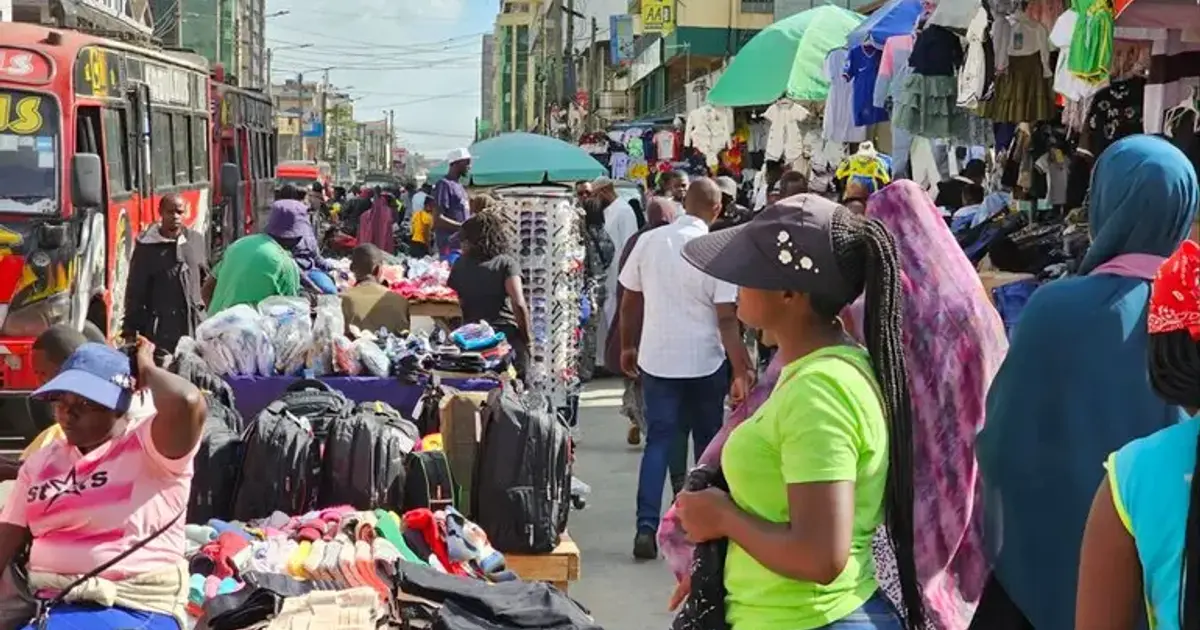
The Kenya National Highways Authority (KeNHA) has issued a public notice directing roadside traders and occupants of road reserves to remove their structures and goods within 30 days. The notice, dated September 29, 2026, targets four major highways: Likoni–Ukunda–Lunga Lunga (A7), Kilifi–Malindi–Garsen–Witu (A7), Maili Tisa–Kitale (B14), and Eldoret–Nyaru (B124). The deadline expires on October 29, 2026.
KeNHA Director General Eng. Luka Kimeli stated that the affected occupants include roadside traders and owners of unauthorized structures occupying sections of the road reserves. The Authority has warned that it will remove structures, goods, and other encroachments that remain within the affected road reserves once the 30-day period expires. The removal will be carried out without further reference to the owners and at the owners' cost, in accordance with laws governing the protection and management of road reserves.
The directive is linked to planned service road improvements, construction of bus bays, and drainage rehabilitation works along the four corridors. KeNHA says the works form part of ongoing performance-based maintenance and road-safety enhancement programs intended to improve visibility, reduce congestion, and make the affected highways safer. The latest notice gives affected traders a defined period to voluntarily clear their businesses before enforcement begins.
This is not the first time KeNHA has taken enforcement action against traders and occupants of road reserves. In February, the Authority demolished kiosks, stalls, and other structures in Githurai along the Thika Superhighway after an earlier seven-day notice expired. KeNHA said the clearance was necessary to pave the way for a modern bus park and to address safety risks associated with roadside trading and uncontrolled passenger pick-up and drop-off.
The Githurai operation was accompanied by protests, with some affected traders arguing that they had not been provided with alternative trading spaces. Police were deployed as demonstrations disrupted parts of Thika Road. KeNHA subsequently extended enforcement to other sections of the Thika Superhighway, including Kihunguro, Allsops, and Delview, issuing traders with further notices to clear road reserves.
KeNHA has repeatedly linked its enforcement operations to road safety, traffic management, and planned infrastructure improvements. During the Thika Road crackdown, the Authority said roadside structures were creating safety risks for motorists and pedestrians and contributing to disorder around busy transport points. The planned bus bays and bus parks were intended to provide designated locations for passenger boarding and drop-off.
Road reserves are spaces set aside for highway infrastructure and related functions, including road expansion, drainage, pedestrian facilities, service roads, and other transport infrastructure. KeNHA's enforcement operations aim to reclaim these reserves and ensure that highways are used for their intended purpose. The Authority has also issued 30-day notices on other highways this year, including the Meru–Ena highway, where traders were directed to remove structures encroaching on the road reserve.
Key points
- The four major highways targeted in the latest directive are Likoni–Ukunda–Lunga Lunga (A7), Kilifi–Malindi–Garsen–Witu (A7), Maili Tisa–Kitale (B14), and Eldoret–Nyaru (B124).
- The deadline for traders to vacate the road reserves is October 29, 2026.
- KeNHA's enforcement operations are linked to road safety, traffic management, and planned infrastructure improvements.