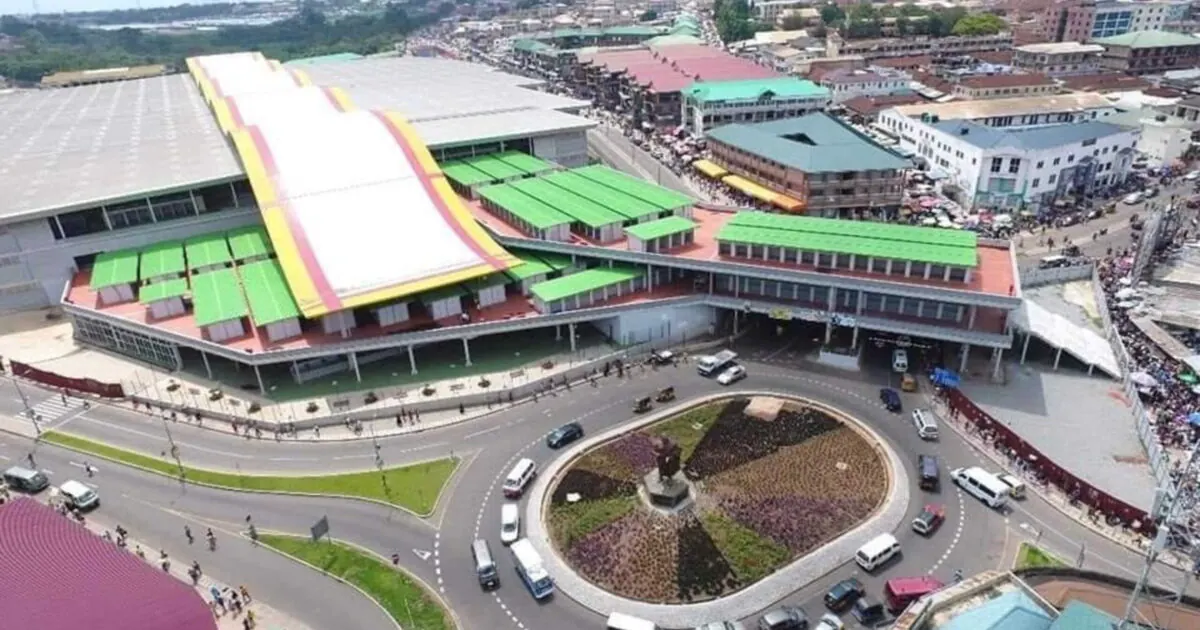
Traders at the Kumasi Central Market, also known as Kejetia, are calling for stricter regulations on the transfer and rental of shops. This demand comes after reports that some shop owners are reselling their spaces at significantly higher prices than the original premiums they paid. According to Nana Akwesi Prempeh, President of the Federation of Kumasi Traders, this practice is carried out by individuals, not the market management.
The controversy surrounding the resale of shops at Kejetia has sparked concerns about the increasing value of shops and its impact on revenue generation for the redevelopment of the market. Nana Prempeh stated that a clear policy is needed to ensure shop owners seek approval from management before renting out or transferring their spaces. He emphasized that management must introduce measures to monitor transactions and prevent the sharp increase in shop values from undermining revenue generation efforts.
The issue gained attention after the local government minister revealed that some shop owners who acquired spaces at premiums of about GH¢25,000 are now renting them out at much higher prices, with some costing ¢100,000. Nana Prempeh, however, stressed that the priority should be ensuring all existing shop owners fulfil their financial obligations. He urged the leadership of the traders’ union and market management to intensify efforts to recover outstanding premium payments.
The revenue from these payments is critical to sustaining the redevelopment project, according to Nana Prempeh. He also expressed satisfaction with the resumption of work on the next phase of the Kumasi Central Market project after years of delays. Traders stand to benefit significantly from the expansion and therefore have a responsibility to support efforts to ensure the project does not suffer further setbacks.
Kumasi Mayor, Richard Ofori Agyemang Boadi, acknowledged the controversy surrounding the resale of shops but noted that owners who transfer their spaces at higher prices may not necessarily have committed a crime. He called for consultations with trader leadership and financial institutions to establish appropriate mechanisms for regulating the increasing value of shops. Boadi emphasized that revenue generated from Kejetia should be retained and channeled into future market development projects.
The Kumasi Metropolitan Assembly is increasing efforts to boost revenue from the market and support financing for the ongoing redevelopment works. Shop owners who fail to settle their outstanding premium payments by December 31, 2026, risk losing their shops, according to the mayor. Nana Prempeh urged shop owners to meet their obligations while calling on union leaders and management to work together to protect the market’s revenue base.
Preventing further delays to the already long-delayed project must remain a collective responsibility, Nana Prempeh said. The Federation of Kumasi Traders and market management must collaborate to ensure the redevelopment progresses without further disruption. Key points include the need for a clear policy on shop transfers and rentals, the importance of fulfilling financial obligations, and the risk of losing shops for non-payment of premiums.
Key points
- Traders demand stricter regulations on shop transfers and rentals at Kejetia.
- Shop owners who fail to pay premiums by December 31, 2026, risk losing their shops.
- Revenue generated from Kejetia should be retained for future market development projects.