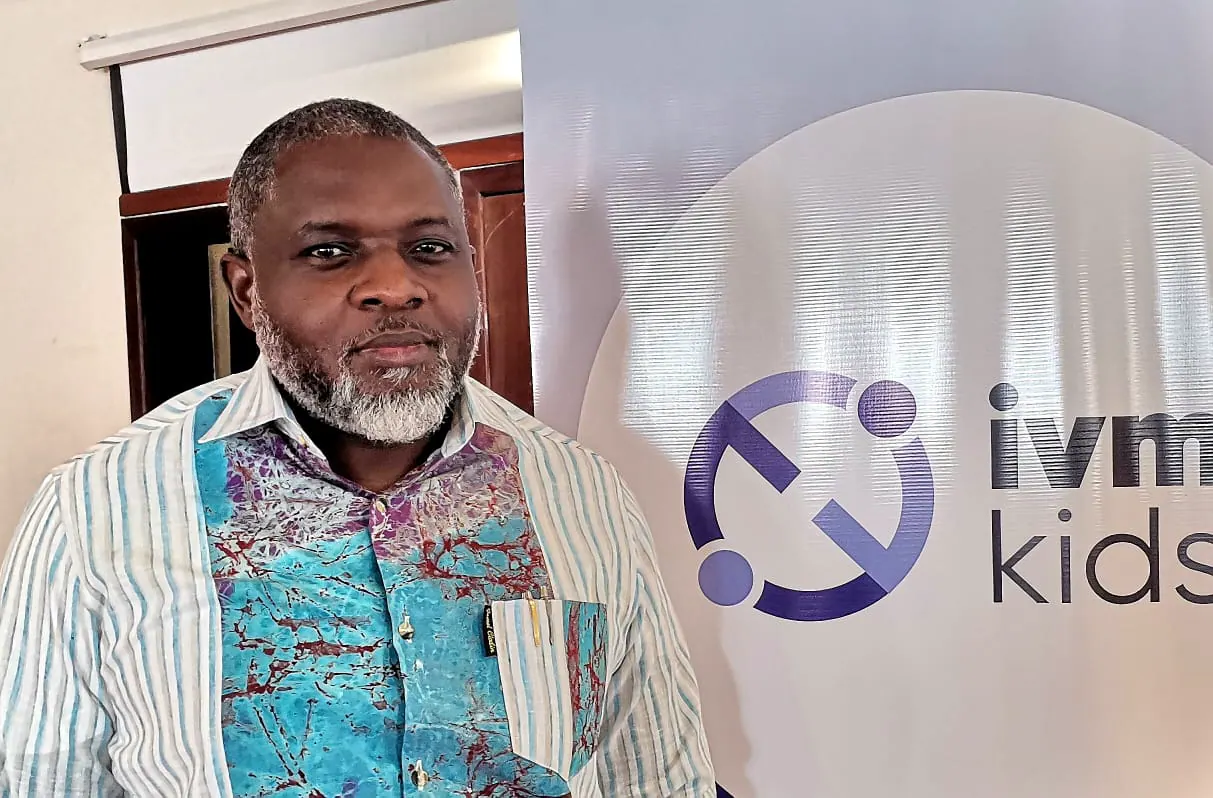
The Kumasi Centre for Collaborative Research in Tropical Medicine at the Kwame Nkrumah University of Science and Technology (KCCR-KNUST) is leading a research project to gather clinical and regulatory evidence for the use of ivermectin in children. Ivermectin is a widely used antiparasitic medicine for controlling several neglected tropical diseases, including onchocerciasis and lymphatic filariasis. The project, known as IVM-KIDS, is a four-year Africa-Europe research partnership funded by the European Union's Horizon Europe Research and Innovation Programme.
Currently, children weighing less than 15 kg, typically under five years old, are excluded from ivermectin-based public health programs due to insufficient safety evidence. The KCCR-KNUST research aims to address this gap by evaluating the safety, pharmacokinetics, and efficacy of ivermectin in children weighing 5-15 kg. The project will assess both generic ivermectin and a new child-friendly 3mg orodispersible formulation designed for easier administration.
The IVM-KIDS project involves a consortium of researchers, clinicians, pharmaceutical experts, and public health specialists from Ghana, Kenya, Tanzania, the Democratic Republic of Congo, the United Kingdom, Spain, and Switzerland. The project's maiden consortium meeting, hosted by KCCR-KNUST in Accra, allowed teams to coordinate their research efforts and ensure a common strategy across different countries.
Professor John Amuasi, the Scientific Project Leader of IVM-KIDS, emphasized the practical importance of the research, stating that the goal is to generate evidence to inform the control and elimination of neglected tropical diseases. The project's findings could have significant implications for public health programs in Ghana and other countries where these diseases remain a challenge.
The research has particular relevance in Ghana, given the country's decades of experience in controlling neglected tropical diseases such as onchocerciasis and lymphatic filariasis. By extending the reach of these campaigns to currently untreated children, the project aims to improve their lives and accelerate progress towards the World Health Organisation's 2021-2030 NTD Roadmap.
Professor Michael Marks of the London School of Hygiene and Tropical Medicine, Principal Investigator of IVM-KIDS, expressed optimism that the project would help address the current gap in evidence for using ivermectin in younger children. The project's clinical research program includes studies on Trichuris trichiura, an intestinal parasite, and scabies, as well as assessments of appropriate dosing and acceptability of the new formulation.
The IVM-KIDS project aims to generate strong evidence to inform regulators, the World Health Organisation, and national neglected tropical disease programs, ultimately extending the indication of ivermectin to include children under 15 kg. The project's findings could pave the way for more inclusive and effective mass drug administration strategies.
Key points
- The KCCR-KNUST research project aims to generate clinical and regulatory evidence for the safe use of ivermectin in children weighing 5-15 kg.
- The project involves a consortium of researchers from multiple countries and will assess both generic ivermectin and a new child-friendly formulation.
- The project's findings could have significant implications for public health programs in Ghana and other countries where neglected tropical diseases remain a challenge.