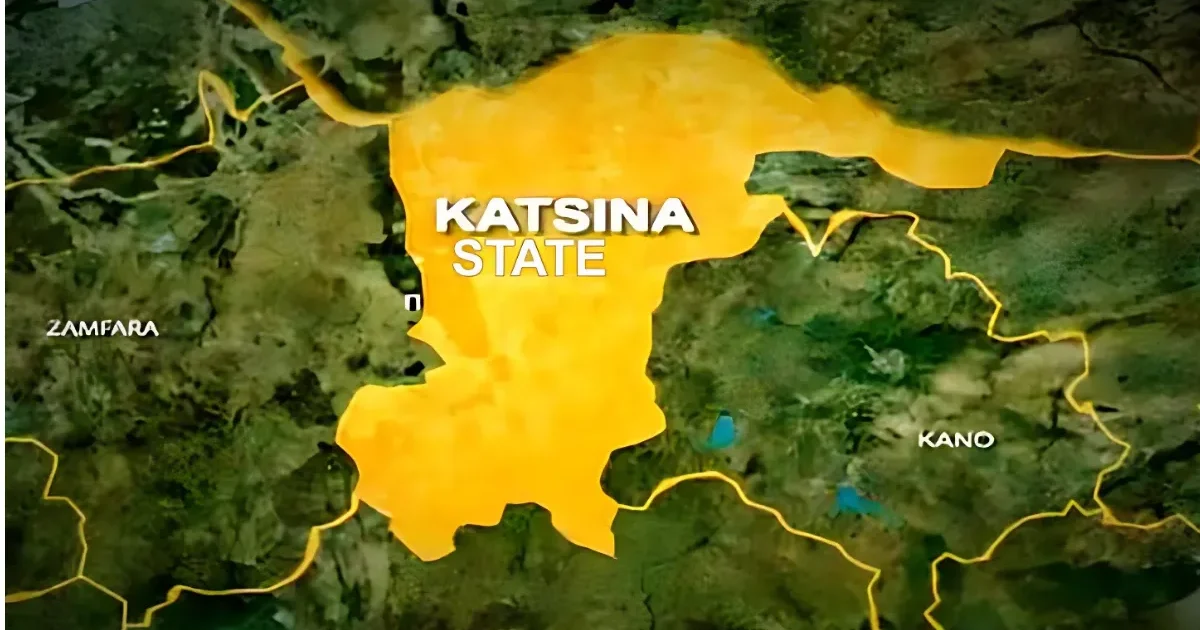
Since taking office on May 29, 2023, Malam Dikko Radda's administration has prioritized infrastructure development as a key pillar of its Building Your Future Agenda in Katsina State. The state, with a large population spread across 34 local government areas and a predominantly agrarian economy, requires good infrastructure to drive development. To achieve this, the administration has committed approximately N200bn to infrastructure development across three budget cycles.
The Ministry of Works, Housing and Transport, under the leadership of Engr. Sani Magaji Ingawa, is coordinating and supervising the delivery of many of these projects. A significant focus is on road infrastructure, with over 220 kilometres of major roads either completed, ongoing, or under implementation. Notable projects include the 5.9km Sokoto Road in Funtua, 54.72km Kadanya–Kunduru–Radda–Yana Road, and 20.8km Rimaye–Sukuntuni–Karadua Road.
The impact of these infrastructure projects is evident in the improved road network, which is enhancing movement, reducing congestion, and promoting commercial activity. For instance, the 3.9km Funtua–Katsina Road and 1.2km Tsohuwar Kasuwa Road provide 5.1km of improved road infrastructure, benefiting motorists and residents. The administration's rural road programme is also crucial, as it connects farming communities to markets and urban centres, reducing transportation challenges and increasing the value of agricultural produce.
The Rural Access and Agricultural Marketing Project (RAAMP) is supporting the administration's strategy to improve rural connectivity. The Sabon Garin Goje–Majen Gobir Road and 19-kilometre Garo–Yar Riga–Randawa road have been identified for implementation under RAAMP. These projects may not attract significant attention, but their economic importance is substantial, as they strengthen agricultural value chains and open new opportunities for rural communities.
In addition to road infrastructure, the administration is addressing the challenge of intra-city transportation by introducing hybrid buses for mass transit. The Katsina State Transport Authority will manage and operate 30 hybrid buses through a dedicated Hybrid Bus Operations and Maintenance Unit. The operational framework includes driver recruitment and training, digital fleet monitoring, revenue management, and preventive maintenance.
The hybrid bus initiative aims to provide safer, more reliable, and affordable public transportation while reducing transportation costs for ordinary residents. The proposed KTSTA Modern Terminus, Phases I and II, is another important part of the plan. These initiatives point towards a more organised public transportation system, focusing on students and regular commuters. The administration's infrastructure strategy also prioritizes urban renewal interventions beyond Katsina metropolis.
The Katsina, Daura, and Funtua 2025–2040 Masterplans provide a long-term framework for managing growth in these cities, covering land use, transportation, housing, commercial development, utilities, green infrastructure, and urban design. The masterplans aim to guide the development of these cities as their populations and economies grow, ensuring that growth is managed proactively rather than reactively.
Key points
- The administration has committed N200bn to infrastructure development across three budget cycles.
- Over 220 kilometres of major roads are either completed, ongoing, or under implementation across Katsina State.
- The rural road programme is crucial in connecting farming communities to markets and urban centres, reducing transportation challenges and increasing the value of agricultural produce.