Raphaël Katebe Katoto, a prominent political figure from Katanga, recently participated in consultations in Lubumbashi at the request of President Félix Tshisekedi. During these discussions, which took place over three main areas - daily life, security, and cohabitation - various delegations presented their concerns and demands. These were documented and subsequently submitted to the President. Katebe Katoto emphasized that his role was solely to collect and relay these concerns, without evaluating or filtering them.
The consultations, according to Katebe Katoto, covered a range of issues affecting the community, including the mining sector and subcontracting, which are significant in the region due to its substantial copper and cobalt production. Security concerns were also a major topic of discussion. Katebe Katoto highlighted that the primary worry of the Katangais is their daily life situation. He confirmed that the feeling of marginalization among Katangais in the country's management was among the concerns voiced and documented.
When questioned about potential excessive demands that might have been dismissed, Katebe Katoto was clear that he did not act as an arbiter. His mission, he stated, was to gather and present the demands to the President, without omitting any. All the demands collected were handed over to President Tshisekedi, who will analyze them, possibly with his services, before deciding on the next steps.
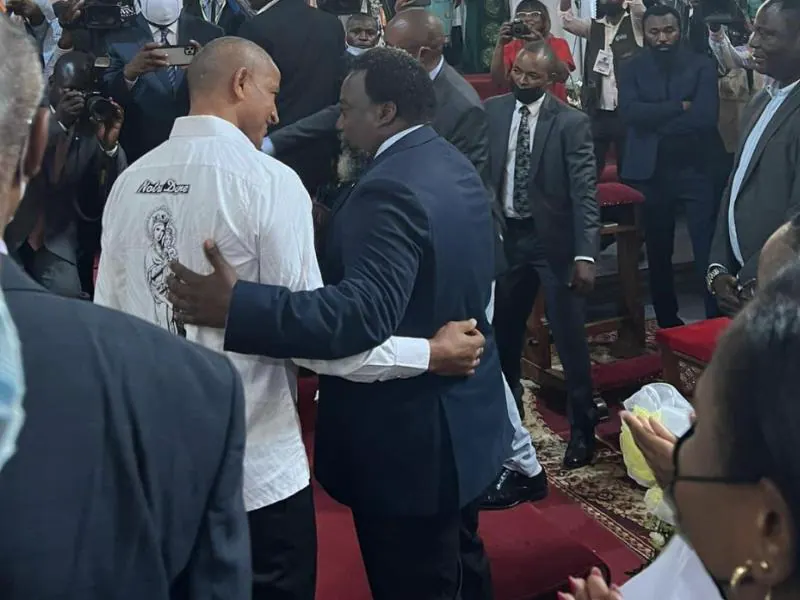
The issue of the political status of certain prominent figures from Katanga, such as former President Joseph Kabila and opposition leader Moïse Katumbi, was deliberately avoided by Katebe Katoto. He maintained that his mission was focused on the specified areas and did not include addressing this particular topic. This sidestepping aligns with one of the prevalent political interpretations of the malaise in Katanga.
Regarding the follow-up to his report, Katebe Katoto remained cautious. He noted that the President has taken note of the summary of his report and has received all the documents. The President will study these before possibly returning to Katebe Katoto or directly to the population. No specific timeline, commitments, or follow-up mechanisms were announced.
The outcome of these consultations now rests entirely in the hands of the presidency. The populations of Grand Katanga, who expressed their expectations during these consultations, await the response of the President to their concerns. Katebe Katoto's mission, while comprehensive in gathering demands, has left many questions unanswered regarding the practical implementation of solutions.
The situation in Katanga remains complex, with various stakeholders awaiting the government's response to the expressed concerns. The effectiveness of the consultations and the subsequent actions by the presidency will likely be scrutinized closely by the public and political analysts. The presidency's handling of these demands could have significant implications for the region and its inhabitants.
Key points
- Katebe Katoto's consultations in Lubumbashi focused on community concerns, security, and cohabitation.
- The issue of Joseph Kabila and Moïse Katumbi was avoided in the discussions.
- The follow-up to Katebe Katoto's report rests with President Félix Tshisekedi.