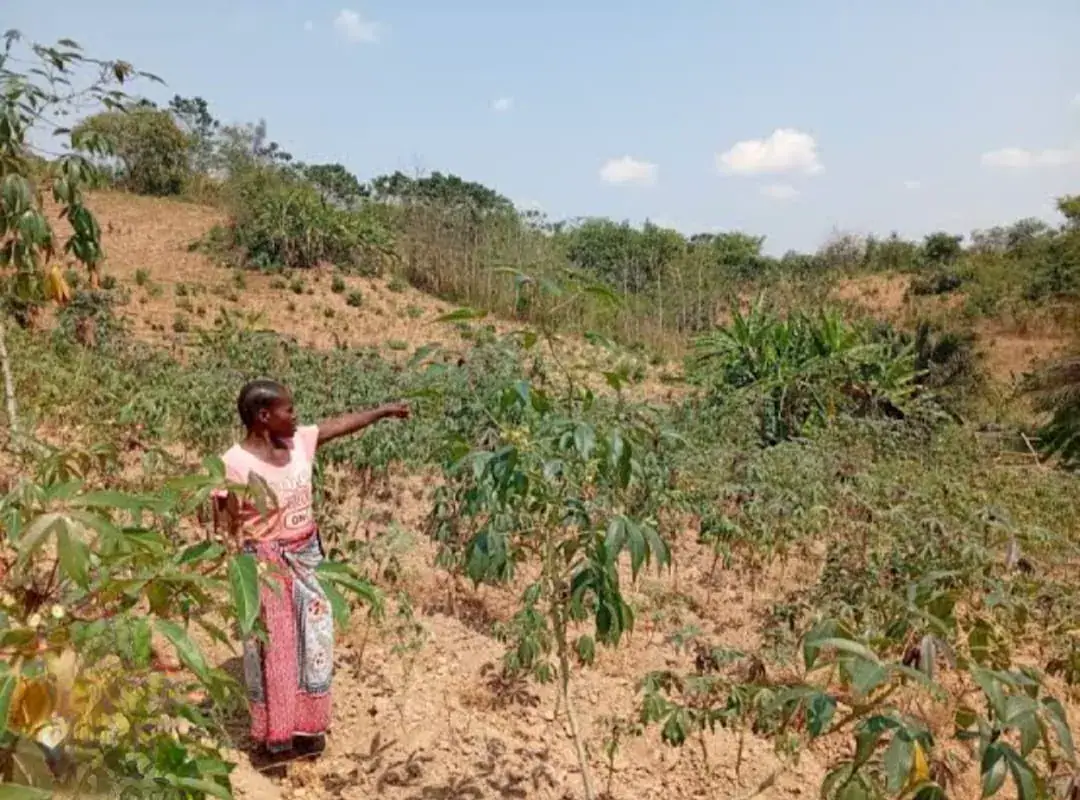
Communities in Ongongoja Sub-county, Katakwi District, Uganda, are facing severe food shortages after a prolonged drought destroyed crops, leaving many households struggling. The drought had a devastating impact on the region, with many families losing their primary source of food. Residents are now calling for assistance as the rains have returned, creating an opportunity for farmers to resume cultivation.
The farmers in Ongongoja are particularly seeking cassava cuttings, green gram seeds, and sweet potato vines to help restore household food supplies. According to Michael Ariko Essien, a resident of Ongongoja Village, the prolonged drought destroyed most of the crops in the area, leaving many families without adequate planting materials for the current planting season. This has exacerbated the food shortage, with some families forced to survive on just one meal a day.
The food shortage has had a significant impact on school-going children, with some learners leaving school early due to lack of food during break and lunchtime. Joseph Imalingat, a resident, stated that the situation is dire, and cassava, a major food crop grown in Ongongoja Sub-county and Katakwi District, was severely affected by the drought. The shortage of cassava has pushed up the price of dried cassava in local markets, making it increasingly difficult for low-income families to afford food.
Ongongoja Sub-county LCIII Chairperson John Peter Imalingat urged the government and other stakeholders to support farmers with planting materials so they could take advantage of the available moisture. He emphasized that cassava cuttings were particularly needed because cassava remains an important food crop for many households in the area. The shortage of cassava has had a ripple effect on the local economy, with prices of other food items also increasing.
The Uganda National Meteorological Authority has warned communities about possible El Niño-related rains in the coming period, urging residents to remain alert and follow official weather updates. Farmers in Ongongoja are now calling for timely intervention from the government, non-governmental organisations, and other stakeholders to help them take advantage of the rains, restore agricultural production, and rebuild their household food reserves.
The situation in Katakwi District highlights the vulnerability of communities to climate-related disasters and the need for support to build resilience. The drought has had a devastating impact on the region, and the appeal for cassava cuttings and other planting materials is a call to action for stakeholders to provide assistance. The government and non-governmental organisations have a critical role to play in supporting farmers to restore agricultural production and food security.
The impact of the drought and subsequent food shortage is a reminder of the importance of disaster preparedness and response. The situation in Ongongoja Sub-county, Katakwi District, is a testament to the need for sustainable agricultural practices and support for vulnerable communities.
Key points
- Food shortages worsen in Katakwi District after drought destroys crops.
- Farmers appeal for cassava cuttings, green gram seeds, and sweet potato vines.
- Situation affects school-going children, with some learners leaving school early due to lack of food.