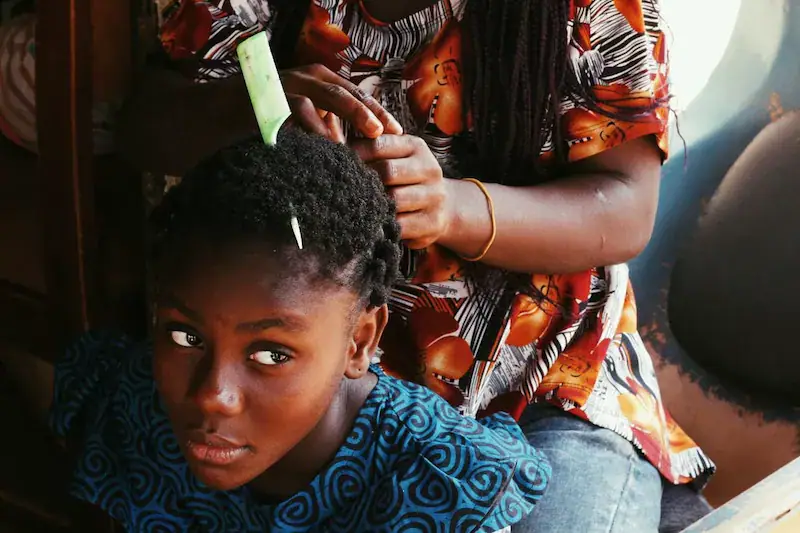
In a departure from traditional grooming rules, the Bishop of the Catholic Diocese of Kasese, Rt Rev Francis Aquirinus Kibira, has directed Catholic-founded schools to allow female A-level students to grow and maintain their natural hair. This move is expected to give students more freedom and help prepare them for university and other institutions of higher learning. Ugandan schools have long enforced strict grooming rules, requiring both male and female students to keep their hair short.
The decision to relax the hair policy for A-level girls was made to help them develop a sense of independence and responsibility before joining higher institutions of learning. Bishop Kibira believes that A-level students are mature enough to make independent decisions, with teachers and other adults expected to guide them rather than impose unnecessary restrictions. This change is also seen as a way to promote self-expression and confidence among female students.
The hair policy change is not unique to Kasese, as several elite schools in Kampala and Wakiso already allow their female students to have different hairstyles of their choice. However, this move by Bishop Kibira is significant, given the influence of the Catholic Diocese of Kasese in the education sector. The bishop also announced plans to buy suits for top student leaders in Catholic schools as a way of recognising their leadership and motivating other learners.
In addition to the hair policy change, Bishop Kibira emphasised the importance of protecting the welfare of female students. He warned schools against harassment and exploitation, calling for the dismissal of teachers found engaging in such misconduct. Teachers are expected to treat female learners with the same respect, care and protection they would extend to their own children, while guiding them on good conduct and positive values.
Bishop Kibira also condemned the practice of demanding sexual favours from women and girls in exchange for access to services, employment and other opportunities, particularly in the health and education sectors. This issue was highlighted in a 2025 report by the Inspectorate of Government on corruption in local government recruitment, which noted that individuals who control access to such opportunities sometimes exploit their positions to demand sexual favours.
Joseph Nzukwa, head teacher of Kasese Secondary School, welcomed the bishop's directives, saying that secondary schools play a critical role in shaping learners' futures. He emphasised that the school would continue guiding students towards academic excellence and responsible living. The school's administration is expected to work closely with teachers and students to implement the new hair policy and ensure a safe and supportive learning environment.
The move by Bishop Kibira is seen as a positive step towards promoting a more inclusive and supportive learning environment for female students. By allowing A-level girls to keep their natural hair, Kasese Catholic schools are giving them more freedom to express themselves and focus on their studies. The bishop's emphasis on protecting the welfare of female students and condemning exploitation is also expected to have a positive impact on the school community.
Key points
- Kasese Catholic schools allow A-level girls to keep natural hair
- Bishop Kibira aims to promote independence and responsibility among female students
- The move is part of a broader effort to promote a more inclusive and supportive learning environment