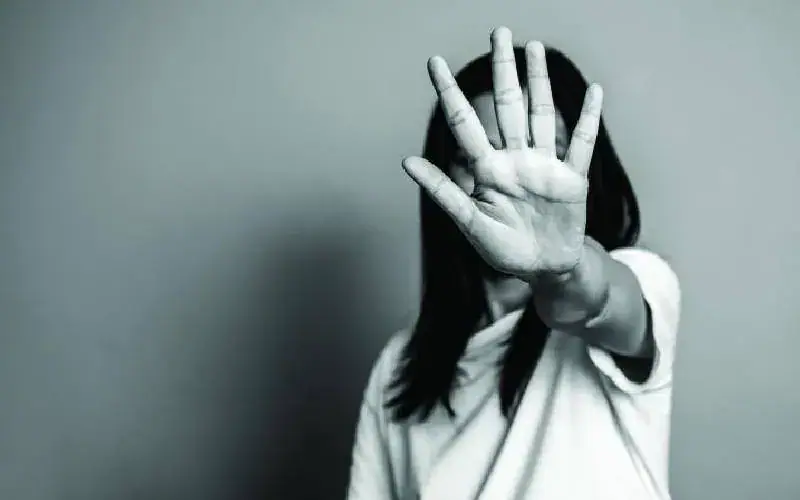
Every Sunday, Karamojong girls living and working in Kenya gather at an open field in Nairobi's Kamukunji area to meet friends, speak their native language, and share experiences away from their employers. These gatherings also serve as informal meeting points for girls without jobs to encounter people looking for domestic workers. However, behind these ordinary encounters lies a troubling pattern of exploitation, with some girls facing physical and sexual violence, withheld wages, long working hours, and restricted movement.
Margaret, a 19-year-old from Moroto District in Uganda's Karamoja region, knows this reality all too well. She came to Nairobi believing she would find a job and support her family. A neighbor linked her to a woman she believed was a recruitment agent, who promised her a well-paying job but required her to facilitate her own transport to Nairobi and pay for a work permit. Margaret's mother sold a cow to give her the money, and at 17, Margaret left her village with a small bag of clothes and identification documents.
Upon arriving in Nairobi, the recruitment agent took Margaret to a house in Eastleigh, where she discovered she was not the only one waiting for employment. After two weeks, Margaret was informed that she had secured a job, but it was far from what she had imagined. She was expected to work in a family home with nearly 10 people, attending to their needs, and was not allowed to leave the house unless permitted by the older family members.
Margaret's days began early and ended late, as she undertook household chores, cared for two toddlers, and looked after an elderly woman who was paralyzed. However, her wages were not forthcoming, and it took her five months to realize that she would not be paid. Whenever she asked for her money, she was told she would be paid a lump sum. She also faced sexual harassment from two men in the household, who attempted to sneak into her room and eventually raped her.
Margaret's experience is not isolated, as many Karamojong girls face similar challenges in Kenyan homes. The promise of employment has instead exposed them to physical and sexual violence, withheld wages, long working hours, and restricted movement. For those without proper immigration or work documentation, reporting abuse can be particularly difficult, as they fear approaching authorities could expose them to immigration enforcement or deportation.
The Standard Group Plc, a leading multi-media house in Kenya, has highlighted the plight of these Karamojong girls, who are often lured to Kenya with promises of jobs and a better life. However, their experiences reveal a darker reality of exploitation and abuse. Efforts are needed to address this issue and provide support to these vulnerable girls.
To combat this problem, it is essential to provide these girls with the necessary support and protection. This includes ensuring they have proper immigration and work documentation, as well as access to authorities and law enforcement without fear of deportation. Additionally, raising awareness about the risks and realities of these situations can help prevent further exploitation and abuse of Karamojong girls in Kenyan homes.
Key points
- Many Karamojong girls are lured to Kenya with promises of jobs but face physical, sexual violence, and exploitation.
- The girls often fear reporting abuse due to concerns about their immigration status.
- Efforts are needed to provide support and protection to these vulnerable girls.