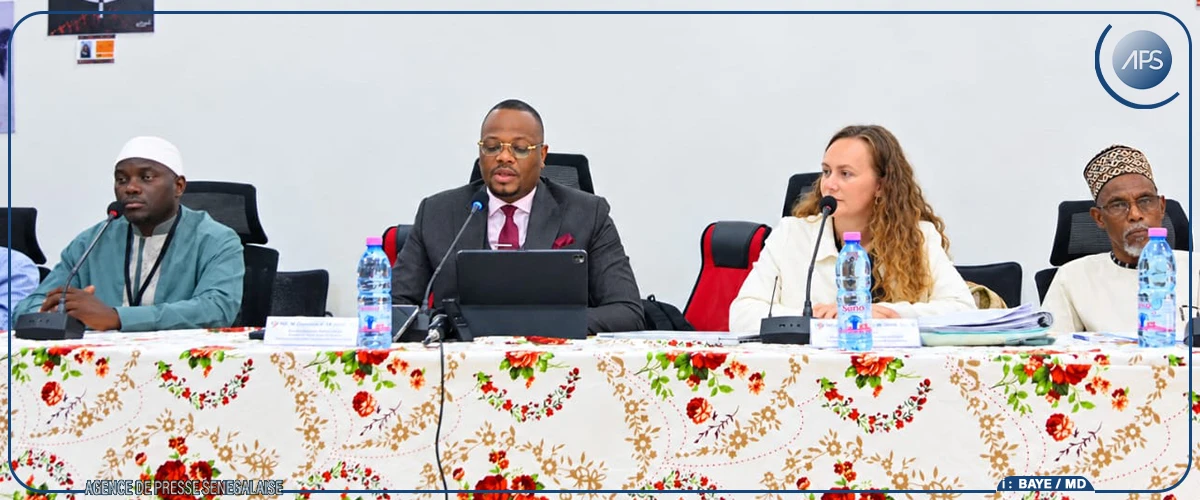
A training session on renewable energy and decentralized energy solutions kicked off in Kaolack, Senegal, on Monday, October 5, 2026. The session, which will run until Friday, brings together around 30 elected officials and cadres from seven departmental councils in Senegal. The program, titled "Transition écologique dans l'espace francophone," is organized by the International Association of Francophone Regions (AIRF) in partnership with the Association of Senegalese Departments (ADS), the Kaolack Departmental Council, and the NGO ENERGIES 2050, with support from the Ecological Transition Agency (ADEME).
The training session aims to equip local authorities with the tools to design and structure local initiatives that improve access to energy, particularly in rural areas. The program includes exchanges, workshops, and methodological contributions to enable territorial collectivities to implement their projects effectively. According to Céline Gibert, International Cooperation Project Manager at AIRF, the session will focus on providing local authorities with practical skills to develop and implement their own energy projects.
The training program includes site visits to projects already implemented in the Kaolack department, allowing participants to gain a better understanding of the solutions presented and draw inspiration from them for their own initiatives. This approach aims to facilitate the exchange of experiences and best practices among participants. The site visits will provide participants with hands-on experience and insights into the implementation of renewable energy projects in rural areas.
The President of the Kaolack Departmental Council, Ahmed Youssouph Benjalloun, welcomed the initiative, highlighting the importance of access to energy for the development of rural territories. He emphasized that economic activities in these areas depend heavily on the availability of adapted energy services. Benjalloun also stressed the potential of renewable energies to support local economic activities, particularly in the agriculture and craft sectors.
According to Céline Gibert, the objective of the training session is to bring together Senegalese departments, represented by elected officials and cadres, to discuss access to energy issues, particularly in rural areas. The session aims to provide a platform for participants to share their experiences, challenges, and best practices in developing and implementing renewable energy projects.
The training session is part of a broader effort to promote sustainable development and reduce energy poverty in rural areas. By equipping local authorities with the necessary skills and knowledge, the program aims to contribute to the development of effective and sustainable energy solutions in Senegal. The program also seeks to foster collaboration and knowledge sharing among local authorities, which is essential for addressing the energy challenges facing rural communities.
The participants will take away practical skills and knowledge to develop and implement their own renewable energy projects, which will contribute to improving access to energy in rural areas. The training session is expected to have a positive impact on the development of rural territories in Senegal, and the organizers hope that it will serve as a model for similar initiatives in the future.
Key points
- The training session aims to equip local authorities with the tools to design and structure local initiatives that improve access to energy, particularly in rural areas.
- The program includes site visits to projects already implemented in the Kaolack department, allowing participants to gain a better understanding of the solutions presented.
- The training session seeks to contribute to the development of effective and sustainable energy solutions in Senegal, particularly in rural areas.