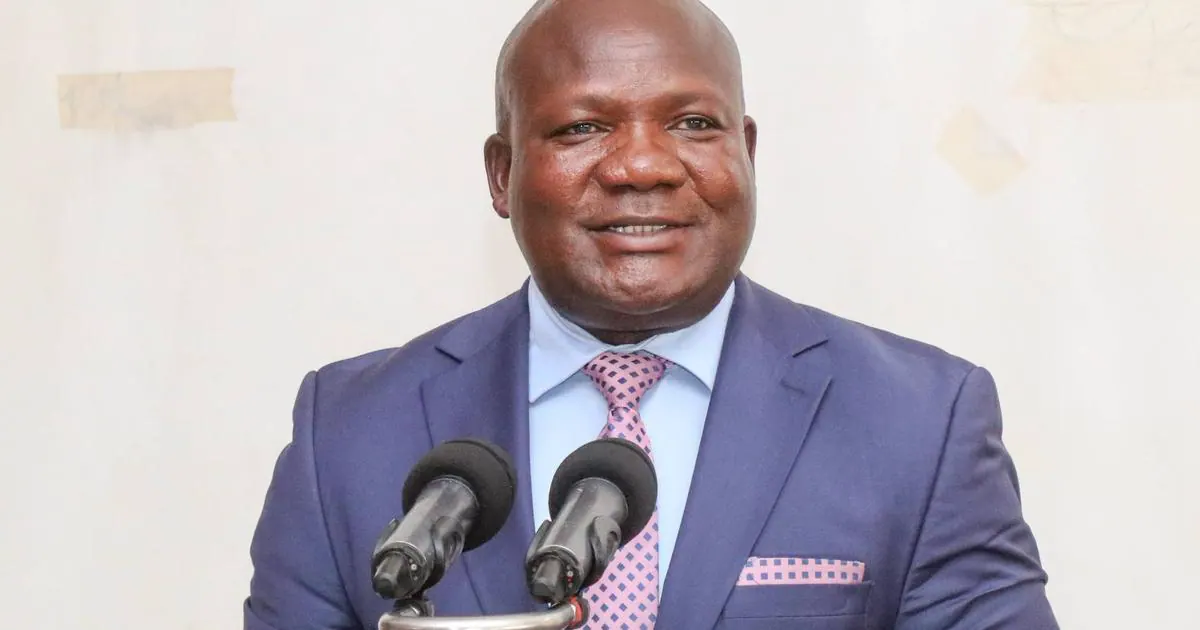
Kakamega Governor Fernandes Barasa has publicly denied allegations of participating in a witchcraft ritual, dismissing a viral video that purported to show him engaging in such activities. According to his press unit, the video is AI-generated and intended to tarnish his image. The governor's office has accused political rivals of orchestrating the smear campaign, with fingers pointed at politician Cleophas Malala.
The viral video had circulated widely on social media platforms, prompting the Governor's Press Unit to issue a statement defending Barasa's character. The statement portrayed Barasa as a committed Christian whose approach to public service reflects his faith. The press unit also announced that it has instituted defamation suits against those believed to be behind the publishing and sharing of the video.
The governor's office has blamed Cleophas Malala and his allies for deliberately circulating the video across social media platforms. However, specific details about the defamation suits, including exact charges and a timeline for the legal process, have not been disclosed. The incident highlights the challenges public figures face in managing their image and reputation in the digital age.
This is not the first time a public figure in Kenya has faced witchcraft allegations. In 2020, socialite Faith Makau, alias Amber Ray, denied using witchcraft after a controversial photo went viral on social media. Amber Ray affirmed that she had never used witchcraft in her life, stating that she would share her side of the story in the future.
The incident involving Governor Barasa has sparked a wider conversation about the use of technology in spreading misinformation and the impact on public figures' reputations. The governor's swift response and denial of the allegations suggest that he is taking the matter seriously and is willing to take legal action to protect his image.
The use of AI-generated content to manipulate public opinion has become a growing concern in Kenya and other countries. This incident highlights the need for robust measures to detect and prevent the spread of fake news and misinformation. Governor Barasa's case is a notable example of a public figure taking proactive steps to address such allegations.
As the legal process unfolds, Governor Barasa's reputation and political career may face scrutiny. The outcome of the defamation suits and the governor's response to the allegations will likely have implications for his future in politics. The incident serves as a reminder of the complexities of managing public image and reputation in the digital age.
Key points
- Governor Fernandes Barasa accuses rivals of a smear campaign using an AI-generated video.
- The governor's office has instituted defamation suits against those behind the video.
- The incident highlights the growing concern about AI-generated content and misinformation in Kenya.