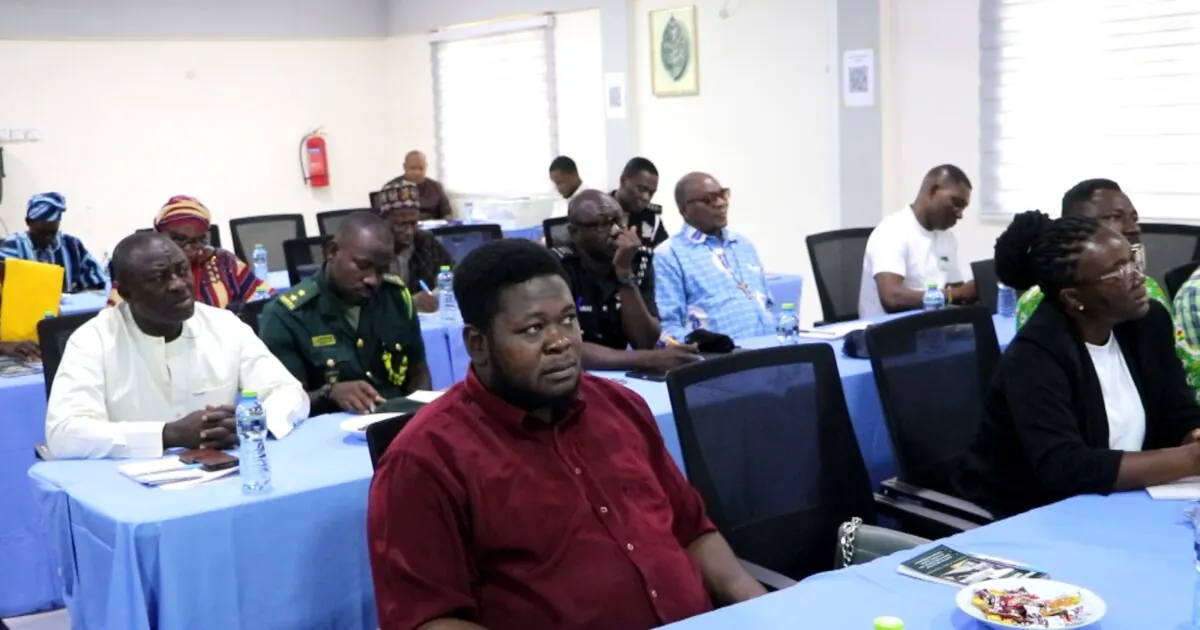
The Kofi Annan International Peacekeeping Training Centre (KAIPTC) and the National Peace Council (NPC) have initiated a project aimed at rebuilding trust between civilians and state security agencies in Ghana. The project, supported by the Embassy of Spain in Ghana, brought together 45 participants from diverse backgrounds in Wa for a workshop. The initiative seeks to address the trust deficit between civilians and security agencies, which is critical in preventing violent extremism.
The workshop, held under the project “Strengthening Civilian-Security Trust and Community Resilience for Preventing Violent Extremism Programme,” included participants from state security agencies, local government officials, traditional rulers, religious leaders, civil society organisations, youth groups, persons with disabilities, and representatives from the Fulbe community. The programme aims to foster collaboration and trust between civilians and security agencies, particularly in border communities in northern Ghana that are vulnerable to spillover threats from neighbouring countries.
Lt. Col. James Bampoe Palmer, Commanding Officer of the 10 Mechanised Battalion, emphasised that military hardware and technical training alone are insufficient to safeguard peace. He noted that effective prevention depends on relationships and trust between communities and security institutions. Lt. Col. Palmer highlighted the importance of communities developing resilience against extremist narratives and marginalised groups being actively included in local decision-making.
Frank Wilson Bodza, Director of Conflict Management and Resolution at the National Peace Council, stressed that civilians play a crucial role in security by serving as frontline intelligence assets for security agencies. He outlined three core deliverables expected from the rollout, including training cohorts capable of facilitating local community engagements, crafting localised regional security action plans, and entrenching a lasting preventive mechanism.
During the workshop, community representatives raised concerns over alleged misconduct, procedural negligence, and broken whistleblower protections by security agencies. A participant recounted witnessing an unassisted immigration officer allegedly asleep on duty while commuters crossed unvetted on boats over neglected access roads. Another representative alleged persistent extortion of cattle traders by highway police patrols.
Security commanders and agency leads responded directly to the infractions raised, condemning the misconduct and assuring participants that disciplinary sanctions would apply. The Ghana Immigration Service and police commanders expressed commitment to addressing the concerns and pledged closer scrutiny of investigators' conduct. They urged whistleblowers to safeguard operational secrecy and encouraged citizens to report dormant posts directly to sector commanders.
The initiative aims to prevent violent extremism by fostering trust and collaboration between civilians and security agencies in northern Ghana. The project will span the Upper West, Savannah, North East, and Upper East Regions. Key stakeholders expressed optimism that the programme will enhance community resilience and prevent violent extremism in the region.
Key points
- The project aims to rebuild trust between civilians and state security agencies in Ghana.
- The initiative seeks to address the trust deficit to prevent violent extremism.
- The programme will span the Upper West, Savannah, North East, and Upper East Regions.