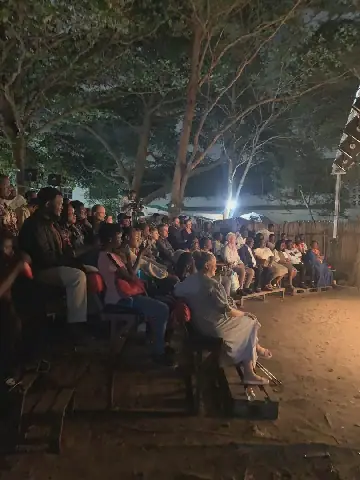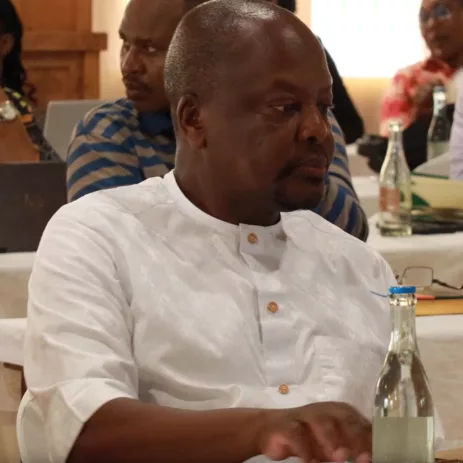
Agriculture Cabinet Secretary Mutahi Kagwe has called for increased funding for agricultural research and the recruitment of more scientists at the Kenya Agricultural and Livestock Research Organisation (Kalro). He made the appeal during the launch of the Kenya Soil Partnership and Soil Doctors programme at Kalro Kabete. Kagwe expressed concerns that Kenya risks failing to get value from new research equipment due to inadequate human capacity.
Kagwe stated that Kalro is operating at only 52 per cent of its required capacity due to a shortage of scientists. He mentioned that the organisation expects to receive about 170 pieces of research equipment, but lacks sufficient scientists to operate them. The CS emphasised the need for the government to ensure that Kalro has sufficient human resources to operate the equipment and translate research into practical solutions for farmers.
The CS acknowledged that the government had not done enough to fund agricultural research, saying inadequate investment was contributing to a cycle of low agricultural productivity. He noted that Kenya's agricultural sector should receive about 10 per cent of the national budget in line with commitments under the Maputo and Kampala declarations. However, the country is currently allocating only about three per cent of its resources to agriculture.
Kagwe cited the Ministry of Agriculture and Livestock Development budget estimates, which show that Kalro has been allocated Sh4.66 billion in gross recurrent funding for the 2026/27 financial year, up from Sh4.53 billion in 2025/26. He emphasised that inadequate funding creates a cycle of insufficient investment in agriculture, leading to inadequate funding for research, poor soil management, and low productivity.
The CS proposed a solution to break the cycle by increasing investment in both agriculture and research. He stated that injecting more money into agriculture and research was crucial to improving productivity and ultimately benefiting farmers. Kagwe also called for greater recognition of Kenyan scientists whose work has contributed to the development of crop varieties and technologies used by farmers.
Kagwe cited research into tea and avocado varieties as examples of work by Kenyan scientists that has contributed to the country's agricultural sector. He expressed appreciation for the role of researchers, stating that their work is essential to the country's agricultural development. The 2026 Economic Survey shows that Agriculture, Forestry and Fishing accounted for 23.2 per cent of GDP in 2025 and grew by 3.1 per cent during the year.
Kagwe emphasised that increased investment in research should ultimately be measured by its impact on farmers. He assured researchers that their work is valued and recognised, and that the government is committed to supporting agricultural research and development. The CS appealed to the Public Service Commission to allow Kalro to recruit more researchers to address the shortage of scientists and ensure the effective utilisation of new research equipment.
Key points
- Kagwe appeals for increased funding and recruitment of scientists at Kalro to boost agricultural research and productivity.
- Kenya's agricultural sector currently receives only about three per cent of the national budget, against a recommended 10 per cent.
- Kalro is operating at 52 per cent capacity due to a shortage of scientists, despite expecting 170 new research equipment.