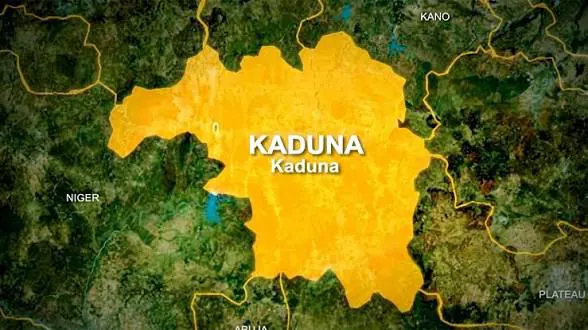
The Kaduna State Government has unveiled plans to deploy 120 Compressed Natural Gas (CNG)-powered articulated buses on a 24-kilometre Bus Rapid Transit (BRT) corridor. This project, the first BRT system in the state, has reached the implementation stage after completing its planning and design. The Acting Director-General of the Kaduna State Transport Regulatory Authority (KADSTRA), Inuwa Ibrahim, disclosed this information on Tuesday.
The proposed BRT system will include dedicated bus lanes, modern bus stops, shelters, and terminals to facilitate faster and more efficient movement of commuters. The deployment of CNG-powered buses will provide commuters with a more affordable and environmentally friendly transportation option. Ibrahim described CNG as cheaper and cleaner than conventional fuel, contributing to reducing emissions and improving the urban environment.
The scheme is expected to generate between 10,000 and 20,000 direct and indirect employment opportunities along the corridor. Ibrahim said the jobs would include opportunities for drivers, mechanics, and other personnel involved in the operation and maintenance of the system. This initiative aims to improve urban transportation and create thousands of jobs in Kaduna.
An advanced engineering consultant on the project, Idris Akinremi, said the BRT was designed to address traffic congestion by providing an efficient alternative to private transportation. Akinremi explained that the project was not primarily based on widening existing roads, noting that about 80 per cent of the proposed corridor would retain the existing carriageways.
According to Akinremi, BRT infrastructure will instead be incorporated into the existing road network to improve its efficiency. He said technical and social assessments conducted during the planning process showed that extensive demolition of properties to create additional lanes in restricted areas would not be economically justified.
Akinremi further explained that continuous expansion of roads alone could not provide a lasting solution to traffic congestion, as increased road capacity could eventually be filled by more private vehicles. He cited Abuja as an example of a city where some wide roads still experience significant traffic congestion.
The officials said the overall project was expected to combine mass transportation, cleaner energy, and employment opportunities as part of efforts to improve mobility and reduce congestion in Kaduna metropolis. The initial section of the Kaduna BRT corridor was projected to cover about 17 kilometres, subject to completion of the final design.
Key points
- The Kaduna State Government plans to deploy 120 CNG-powered buses on a 24km BRT corridor.
- The project is expected to generate between 10,000 and 20,000 direct and indirect employment opportunities.
- The BRT system will provide commuters with a more affordable and environmentally friendly transportation option.