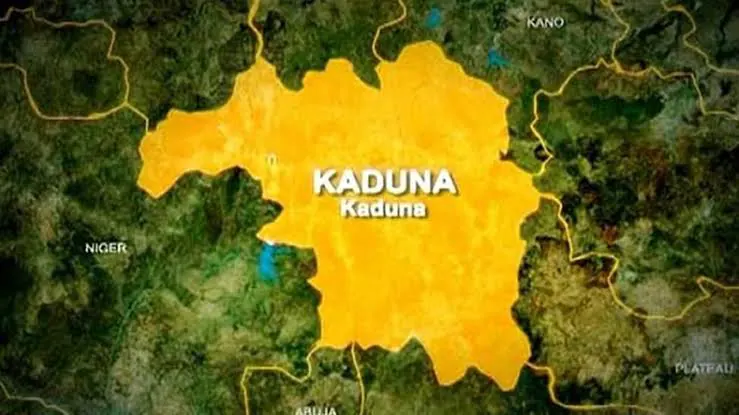
The Kaduna State Transport Regulatory Authority has announced that the proposed Kaduna Bus Rapid Transit project is expected to create between 10,000 and 20,000 jobs when fully operational. The managing director of Kaduna Line and acting director-general of KADSTRA, Engr. Inuwa Ibrahim, revealed this during a roundtable discussion with journalists on the project in Kaduna. The employment opportunities would come from the operation and maintenance of the buses and other services associated with the BRT system.
The proposed BRT project would have a fleet of 120 articulated buses operating along the BRT corridor, in addition to stations, terminals and a depot. According to Ibrahim, the project would also provide wider economic benefits through improved public transportation and easier movement within the metropolis. This would be achieved by providing a dedicated mass transit system with its own infrastructure, using compressed natural gas, a cleaner and cheaper transportation option.
The existing CNG buses were introduced and sustained by the state government to cushion the effects of fuel subsidy removal. Ibrahim urged the media to closely follow the project from the planning stage through implementation and provide the public with accurate information on its progress. He emphasized the importance of transparency and public awareness throughout the project's development.
Engr. Mahmud Musa, Deputy Team Lead, Project Management and Operational Design, said the BRT was part of efforts to develop an efficient public transportation system in Kaduna. Musa explained that an efficient transport system required adequate infrastructure, effective traffic management and an efficient public transport system. This would involve conducting feasibility studies to assess the city's transport needs.
Feasibility studies conducted on Kaduna's transport needs, including demand studies, traffic analysis and assessment of the existing road network, informed the decision to adopt the BRT system for the city. The studies provided valuable insights into the city's transportation requirements, allowing for the development of a tailored solution.
Engr. Idris Lawal, Project Coordinator, Engineering Design and Procurement, said the major studies had been completed and the project was at an advanced stage of detailed design. He said the procurement process for Terminal One at Kawo would commence soon, after which construction would begin. About 40 kilometres of alternative roads are being rehabilitated to provide alternative routes and minimise the impact of construction on traffic.
Engagements are ongoing with transport unions and other stakeholders on the proposed relocation of the existing Kawo Motor. Utilities along the BRT corridor, including water facilities, telecommunications infrastructure and electricity cables, would be relocated before construction, while rehabilitation of alternative routes is already in progress to minimise traffic disruption. The project is moving forward, with various stakeholders working together to ensure its successful implementation.
Key points
- The Kaduna BRT project aims to create 10,000 to 20,000 jobs and improve public transportation in the city.
- The project involves the development of a dedicated mass transit system with its own infrastructure, using compressed natural gas.
- The project is at an advanced stage of detailed design, with construction expected to begin soon.