In a quiet revolution, Kaduna State has begun reforming its Tsangaya schools by integrating formal learning into the traditional Qur'anic curriculum. The Reaching Out-of-School Children (ROOSC) Project, launched in April 2024, has seen 25 Tsangaya centres sign Memoranda of Understanding with the State Ministry of Education. This partnership aims to provide foundational literacy, numeracy, and life skills to children in these schools, while maintaining the Qur'an at the centre of the curriculum.
The project has made significant progress, with over 6,000 learners enrolled in the integrated programme, supported by 155 facilitators. The goal is to expand to 50 centres this project year and 75 by the fourth year. By integrating formal learning, the project aims to equip children with the skills needed to participate in the modern world, where literacy and numeracy are essential for accessing information, employment, and government services.
One of the key challenges facing the Tsangaya system is the issue of out-of-school children, particularly those with disabilities. The project's own mapping identified 2,305 out-of-school children with disabilities, but so far, only 181 have been enrolled in the integrated programme. This highlights the need for greater efforts to reach and include children with disabilities, who are often left behind due to poverty and stigma.
The project has also made a conscious effort to address the issue of gender disparity in education. The Tsangaya centres are traditionally boys' institutions, but the state's 2025/2026 out-of-school mapping found more boys than girls out of school. By targeting boys in these centres, the project aims to close the gap and move towards parity. Additionally, the project supports girls' education through sustained emphasis on getting girls into school and providing menstrual hygiene kits.
A critical aspect of the project's success is its sustainability plan. The plan includes formally recognising non-formal learning centres, absorbing trained facilitators into government service, and integrating data into the state's education management systems. However, the plan's success will depend on the Kaduna State Government's commitment to absorbing the facilitators and providing a permanent place for the integrated Tsangaya in the education budget.
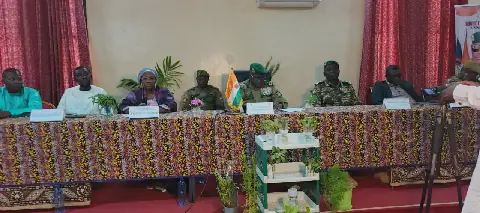
The project has received commendation from various stakeholders, including proprietors of Tsangaya centres who have signed MoUs with the State Ministry of Education. The mallams have a crucial role to play in the success of the project, and those who have signed MoUs deserve recognition for opening their doors to formal learning. The project's success will ultimately be judged by the impact on the children, particularly a boy in a Tsangaya with an Allo and an exercise book, and a girl who was once told school was not for her.
As the project moves forward, other northern states are watching closely, and Kaduna's experience provides a valuable lesson for them. The project's use of radio lessons and low-cost technology has shown that reform can be achieved without significant investment. The question now is whether the Kaduna State Government will step forward to ensure the project's sustainability and provide a permanent place for the integrated Tsangaya in the education budget.
Key points
- The project has enrolled over 6,000 learners in the integrated programme, with a goal of expanding to 75 centres by the fourth year.
- The project aims to address the issue of out-of-school children with disabilities, who are often left behind due to poverty and stigma.
- The project's sustainability plan depends on the Kaduna State Government's commitment to absorbing trained facilitators and providing a permanent place for the integrated Tsangaya in the education budget.