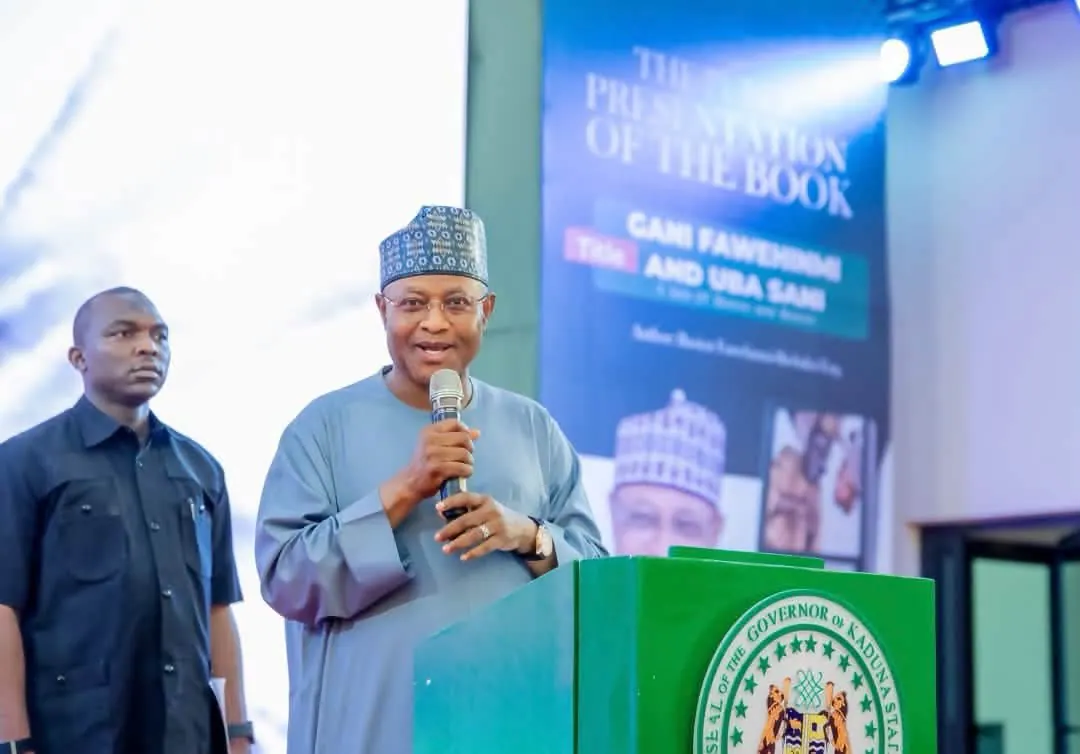
The Kaduna state government has approved ₦3.6 billion for the payment of pensions, gratuities, and death benefits to retirees and beneficiaries. According to the government, 210 local government retirees will receive ₦515 million under the Defined Benefit Scheme, while ₦3.144 billion will go to 1,129 beneficiaries under the Contributory Pension Scheme. This move is part of the government's efforts to address outstanding pension liabilities and create a more predictable system for meeting future obligations.
The payment of pensions and gratuities is not a favour, but an obligation to retirees and the families of deceased public servants, according to Mr. Maiyaki. The government's focus on pension payments is part of its broader public financial management reforms. The administration has also stated its focus on human-capital development and social protection, with education reforms targeting children and young people, while pension payments address obligations to former public servants and their families.
The Kaduna state government has declared that its education reforms and pension interventions are aimed at improving public service while strengthening support for students, teachers, retirees, and other citizens. The Deputy Governor of the State, Hadiza Balarabe, stated that the administration is working to expand access to quality education and equip young people with the knowledge, skills, and character required to build productive lives.
Mrs. Balarabe spoke at a community engagement organised by the Kaduna State Schools Quality Assurance Authority, where she described education as a shared responsibility involving government, teachers, school managers, parents, learners, and communities. The government is providing Education Quality Assurance Officers with motorcycles and other operational support to enable them to reach more schools, particularly those in hard-to-reach communities.
The deputy governor highlighted the introduction of hybrid Computer-Based Testing for the Junior Secondary Certificate Examination, QR-coded certificates, and stronger examination monitoring as measures designed to protect the integrity of the state's education system. More than 800,000 students in junior and senior secondary schools have been supported in examinations since 2023.
The Director-General of the Kaduna State Schools Quality Assurance Authority, Abubakar Usman Zaria, stated that the authority has moved from traditional inspection to continuous monitoring and improvement. School monitoring is being shifted from paper-based reporting to digital, real-time evidence through the EduMonitor App, while more than 20 quality assurance tools have been standardised or automated.
The authority has deployed 50 motorcycles across the 23 local government areas, alongside monthly operational and monitoring allowances for field officers. BECE certificates, Certificates of Consent, and annual private-school operating licences now carry QR codes to strengthen verification and guard against fraud and forgery.
Key points
- The Kaduna state government has approved ₦3.6 billion for pension payments to 1,339 beneficiaries.
- The government has introduced education reforms, including hybrid Computer-Based Testing and QR-coded certificates.
- The administration has deployed 50 motorcycles to support Education Quality Assurance Officers in monitoring schools.