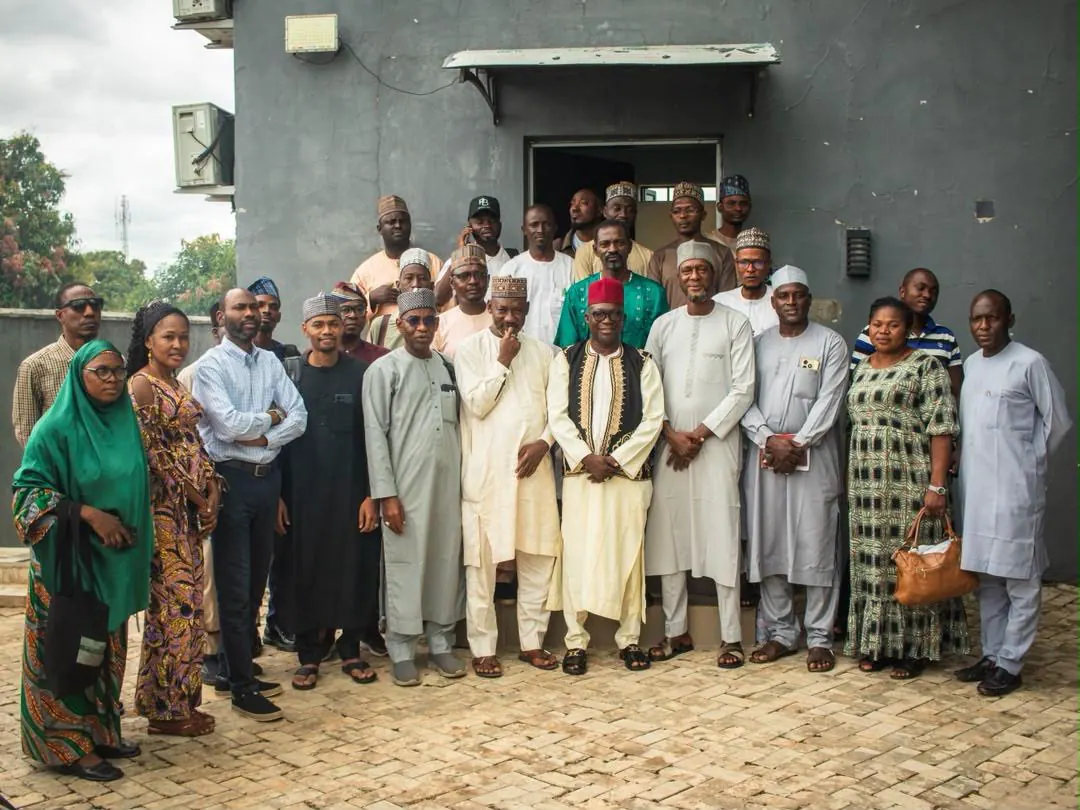
The Kaduna State Government has announced that construction of the Kaduna Bus Rapid Transit (KBRT) project is set to commence soon, with the Kawo terminal being one of the first major facilities to be built. This was disclosed at a media consultation and roundtable discussion organised by the Kaduna State Transport Regulatory Authority (KADSTRA) for journalists to explain the progress, design, and expected benefits of the project.
According to the Director-General of KADSTRA, Engr Inuwa Ibrahim, the KBRT is a landmark transportation project that will be one of the first of its kind in Northern Nigeria and the second after Lagos. He emphasized the need for effective media engagement to educate the public about the initiative, noting that many people perceive the existing state-supported CNG buses as the BRT, but they are not.
The KADSTRA boss urged journalists to follow the project closely throughout its planning and implementation, stressing that the initiative is important to the state government. He advised media outlets to handle their work with professionalism, expertise, and transparency. The project will constitute a separate, dedicated mass-transit system, distinct from the 100 CNG buses currently operating in Kaduna.
Engr Mahmud Musa, Deputy Team Lead, Project Management and Operations Design, highlighted the importance of an efficient urban transportation system, which requires adequate transport infrastructure, effective traffic management, and an efficient public transport system. He cited examples from Abuja, Kaduna, and Mumbai to demonstrate that increasing road capacity without strengthening public transportation and traffic management can still result in severe congestion.
The proposed BRT corridor will have 27 stations, with 20 stations between Kawo and Command Junction, and the remaining seven between Command Junction and Refinery Junction. According to Idris Lawal, Project Coordinator, Engineering Design and Procurement, the system has been subjected to detailed environmental and social studies to identify potential impacts on communities along the corridor.
A Resettlement Action Plan has been developed to identify people who could be affected by the project, and consultations with relevant residents and authorities are continuing. The project team is also preparing for the relocation of utilities along the corridor, while alternative roads are being rehabilitated to minimise disruption to traffic during construction.
The construction of Terminal 1 at Kawo is expected to start soon, providing a tangible demonstration that the long-planned BRT project is moving into its construction phase. The project will also include a depot on about 60,000 square metres of land in Kakuri, where buses will be kept and operational facilities, including a control centre and administration offices, will be located.
Key points
- The Kaduna BRT project will have 27 stations and a dedicated mass-transit system.
- The project will be one of the first of its kind in Northern Nigeria and the second after Lagos.
- Construction of the Kawo terminal is expected to start soon.