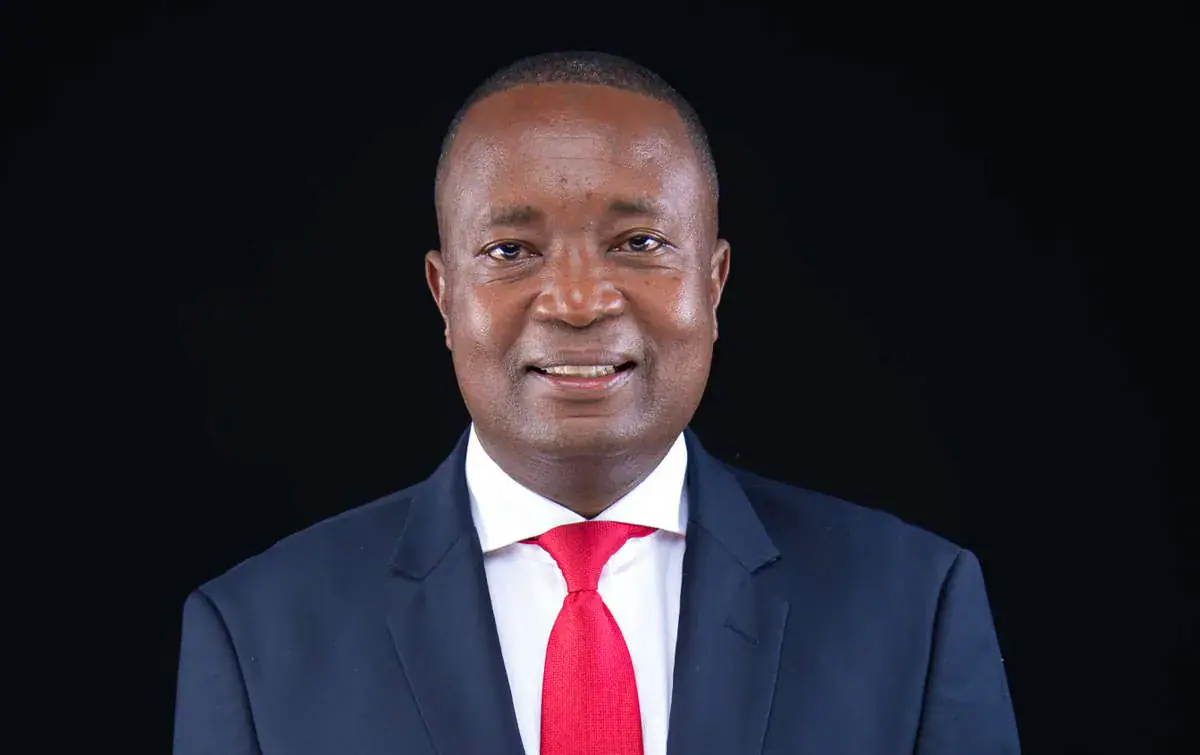
Former Reserve Bank of Malawi governor Dalitso Kabambe has emphasized the need for merit-based appointments and anti-corruption efforts to turn around Malawi's economy. Speaking at the Lilongwe University of Agriculture and Natural Resources (Luanar) Bunda Economics Association Alumni Day in Lilongwe, Kabambe highlighted the importance of human capital in driving the country's progress. He stressed that appointments based on competence rather than political affiliation, tribal considerations, or personal connections are crucial for the country's development.
Kabambe identified political patronage, lack of patriotism, and poor leadership as major obstacles to Malawi's progress. He argued that the country's production and marketing systems in the agriculture sector are failing to deliver their potential due to weak agribusiness structures, low irrigation and fertilizer use, fragmented landholdings, and limited access to capital. Kabambe called for a complete overhaul of the agriculture sector, citing the need for reforms in enterprise prioritization, financing, production, and marketing institutions.
The former Reserve Bank governor emphasized that fighting corruption should be a top priority for the government. He believes that putting competent people in positions of responsibility and addressing corruption would help steer the country towards recovery. Kabambe's comments come at a time when Malawi is facing significant economic challenges, including a shortage of foreign exchange and high inflation.
Minister of Information and Communications Technology Shadric Namalomba responded to Kabambe's remarks, stating that the government would not engage with his comments as they had already addressed his concerns. Namalomba accused Kabambe of seeking to gain political mileage, suggesting that the former governor's comments were motivated by political interests rather than a genuine desire to help the country.
Bunda Economics Association founder Peter Ngoma, also managing director of LAPE Consultants, shared his insights on Malawi's economic challenges. He identified the country's failure to implement policies and plans as a major obstacle to its development. Ngoma noted that despite developing sound strategies, Malawi struggled to achieve results, citing the need for the country to examine why it failed to implement its plans while other countries adopted similar strategies and achieved success.
The government's response to Kabambe's comments comes amid concerns about the country's economic hardships. Two weeks ago, Namalomba acknowledged that the government recognized the economic challenges facing Malawians but noted that the challenges were structural and would take time to resolve. President Peter Mutharika had projected that it would take two years to stabilize the economy, urging Malawians to be patient as the government worked on recovery measures.
Kabambe's comments have sparked a renewed debate about the need for reforms in Malawi's economy and governance structures. As the country continues to face significant economic challenges, stakeholders are calling for a more nuanced approach to addressing these issues. The government's response to Kabambe's comments and the ongoing discussions about the country's economic future will be closely watched by Malawians and international observers alike.
Key points
- Kabambe emphasizes the need for merit-based appointments and anti-corruption efforts to turn around Malawi's economy.
- The former Reserve Bank governor calls for a complete overhaul of the agriculture sector to address weak agribusiness structures and limited access to capital.
- The government responds to Kabambe's comments, accusing him of seeking political mileage and stating that his concerns have already been addressed.
Reporting sources
- Kabambe says merit, graft fight key to turnaround · The Nation