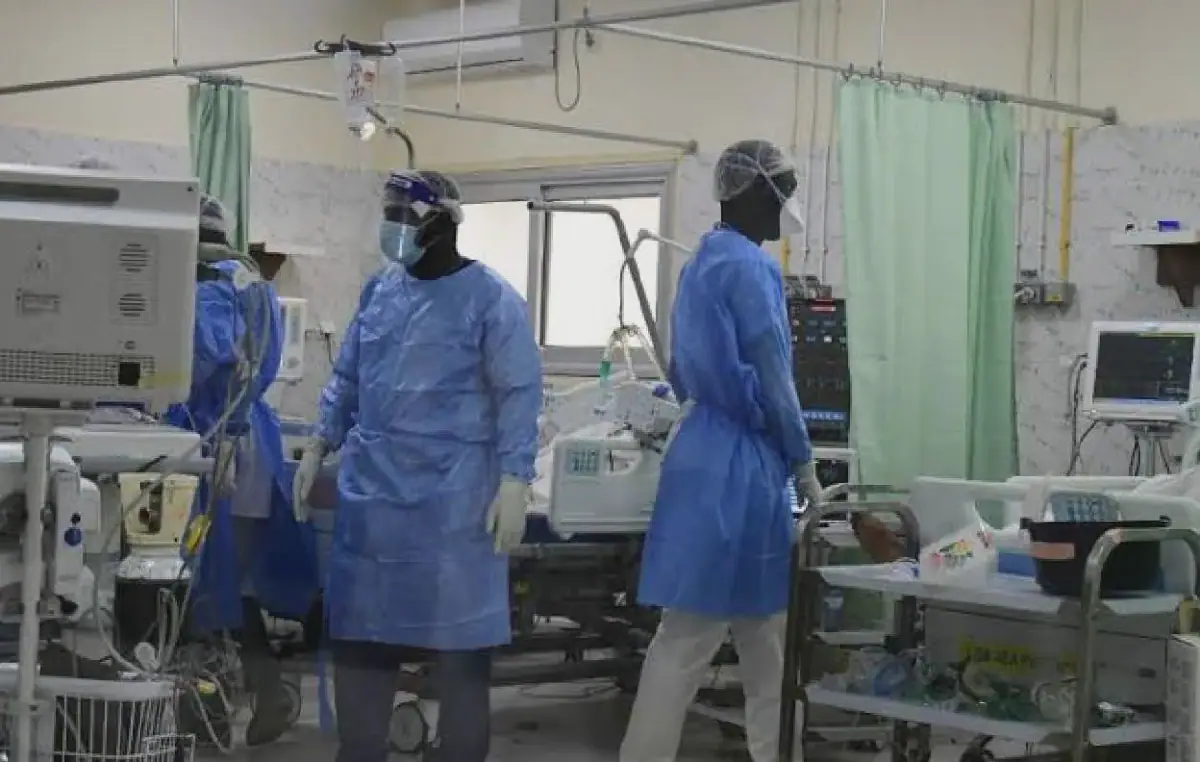
The health situation in Senegal's Kébémer district has shown signs of stabilization following a recent outbreak of collective food poisoning, locally referred to as Toxi-Infection Alimentaire Collective (TIAC). According to reports from the Ministry of Health and Public Hygiene, no new cases have been reported in the last 24 hours. The outbreak, which began on November 2, has so far affected 649 individuals across eleven sites within the district.
Investigations into the cause of the contamination are ongoing. The Ministry of Health has been working to determine the source of the outbreak and has deployed teams to strengthen investigations and establish a multidisciplinary research team. This team aims to document the facts, identify the causes, and determine the source of the contamination through a multi-sectoral approach.
Medical updates indicate that the health condition of the patients is stable, with some having already recovered. Notably, no patients are currently hospitalized, and all affected individuals are being treated on an outpatient basis. The Ministry of Health has also reported that there have been no severe cases or fatalities recorded so far.
Preliminary microbiological investigations have isolated the Salmonella sp. bacteria in the first five cases examined at the Pasteur Institute in Dakar. Further analysis, including serotyping and antibiotic testing, is pending. Meanwhile, tests conducted at the Louga Regional Hospital laboratory on six stool samples did not detect the presence of Salmonella, Shigella, or Vibrio cholerae.
In addition to medical investigations, health services are conducting inspections of food preparation and collective catering facilities in collaboration with hygiene services. Educational sessions on hygiene best practices have also been conducted for vendors and traders, particularly during the weekly market.
Despite the favorable evolution of the situation, the Ministry of Health and Public Hygiene is urging the population to remain vigilant and adhere to food and water hygiene rules. The ministry advises anyone experiencing diarrhea, vomiting, abdominal pain, or fever to seek immediate medical attention at the nearest health facility.
The Ministry of Health has also set up channels for the public to seek information and report potential health issues. These include a toll-free number (800 00 50 50) for information and the SAMU emergency service (1515) for urgent medical assistance.
Key points
- No new cases of TIAC have been reported in Kébémer in the last 24 hours.
- A total of 649 cases have been recorded since the outbreak began on November 2.
- The health condition of the patients is stable, with no severe cases or fatalities reported.