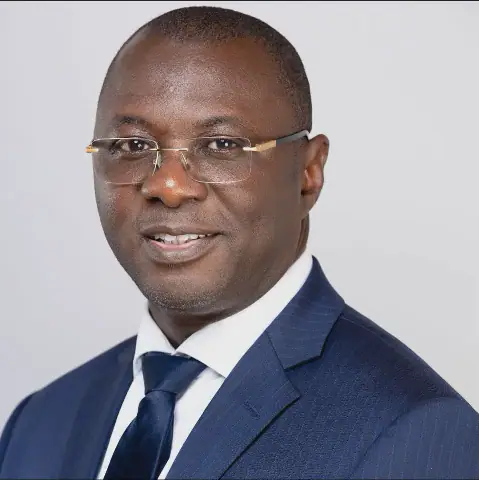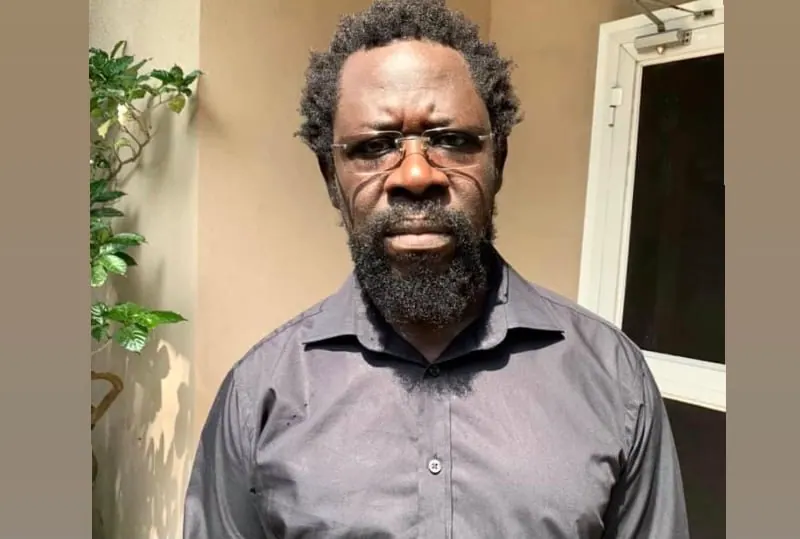
Human rights lawyer and activist Dele Farotimi has stated that the Nigerian judiciary was more effective under military rule than in the present democratic system. In a statement shared on social media on Sunday, Farotimi expressed his opinion that the judiciary has lost the integrity it once had during military rule. He made the comparison despite the challenges faced by the judiciary during that period, including successive military governments disregarding court orders and relying on ouster clauses.
Farotimi noted that during military rule, the judiciary remained "worthy of the name," with judges retaining a level of institutional standing that is currently lacking. He stated that the rulers at the time routinely ignored court orders and ruled with ouster clauses, yet the judiciary maintained its integrity. In contrast, he described the current judiciary as largely complicit, arguing that it now stands on what he termed as a corrupt mandate.
The activist has been a vocal advocate for judicial and institutional reform in Nigeria, repeatedly raising concerns about the strength of democratic institutions, accountability, and the rule of law. His comments have sparked debate about the state of the judiciary and its role in upholding the rule of law in Nigeria. Farotimi's statement has been shared widely on social media, with many Nigerians reacting to his views on the judiciary.
During military rule in Nigeria, successive governments often disregarded court orders and relied on ouster clauses to shield certain actions from judicial review. Despite these challenges, the judiciary maintained a level of respect and integrity, according to Farotimi. He suggested that the current judiciary has failed to uphold the same standards, instead becoming complicit in the system.
Farotimi's comments come at a time when there are concerns about the state of democratic institutions in Nigeria. The country has been facing challenges related to accountability, transparency, and the rule of law. The judiciary has been criticized for its role in some high-profile cases, with some arguing that it has failed to uphold the principles of justice and fairness.
The Daily Post recalls that Farotimi has been actively involved in advocating for reforms in Nigeria's judicial and institutional systems. He has raised concerns about the strength of democratic institutions and the need for accountability and transparency in governance. His views on the judiciary have sparked a renewed debate about the need for reforms.
The issue of judicial reform has become a pressing concern in Nigeria, with many calling for changes to ensure the judiciary is independent and effective. The conversation is ongoing, with various stakeholders contributing their views on the way forward. As the debate continues, Nigerians are watching to see if the judiciary will undergo reforms to restore its integrity and institutional standing.
Key points
- Human rights lawyer Dele Farotimi says the Nigerian judiciary was more effective under military rule than in the present democratic system.
- Farotimi cited the loss of integrity and institutional standing as reasons for his assertion.
- The activist has been advocating for judicial and institutional reform in Nigeria.