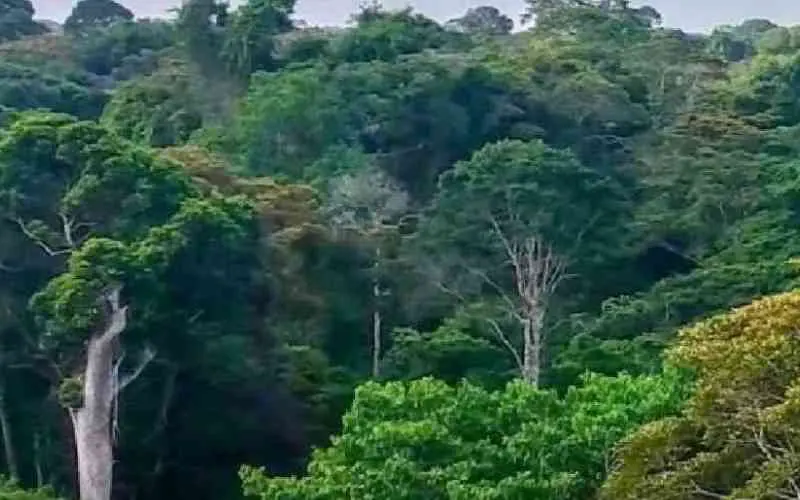
The judiciary plays a crucial role in protecting Kenya's environment, particularly in cases where administrative processes have failed or public concerns have been ignored. Environmental defenders often turn to the courts as a last line of defence when irreversible damage is about to occur. The Constitution recognises the right to a clean and healthy environment and gives citizens the right to seek judicial protection when that right is threatened. This has led to an increase in environmental cases being brought before the courts.
Environmental cases are different from ordinary disputes, as they often involve irreversible damage that cannot be remedied by compensation. When a forest is cleared, a wildlife corridor is cut off, or an ecosystem is destroyed, money cannot simply bring it back. A mature forest cannot be recreated overnight, and a damaged ecosystem cannot always be restored to what it was. This is why conservatory orders are essential in environmental matters, as they can preserve the situation while the court considers the evidence and determines the dispute.
Kenya is facing growing pressure on its public forests and protected areas, with infrastructure and development proposals testing the limits of what can be sacrificed in the name of progress. The country needs roads, housing, transport, energy, and jobs, but development cannot mean destroying the natural systems that sustain lives. Public forests are not vacant land; they are water catchments, carbon stores, homes for biodiversity, climate regulators, and part of the ecological infrastructure of cities and communities.
The Green Belt Movement sees the judiciary as an essential ally in protecting the environment, not an obstacle to conservation. The organisation believes that independent courts can protect constitutional rights, scrutinise decisions, and prevent irreversible environmental harm before it happens. Environmental organisations must bring credible evidence, communities must participate responsibly, lawyers must make strong legal arguments, and government agencies must respect environmental law and public participation.
The destruction of the environment often happens piece by piece, with each project appearing small on its own but having a cumulative impact on ecosystems. By the time a court delivers a final judgment, the damage may already have been done, and ecosystems may be irreparably harmed. This is why it is essential for the judiciary to consider not only what can be repaired after the damage but also what may never be recoverable once the damage is done.
The late Wangari Maathai taught that trees are never just trees; they are connected to water, livelihoods, climate, dignity, and life itself. This lesson remains relevant today, and it is essential to ensure that development does not destroy the very environment on which the future depends. The judiciary has a critical role to play in protecting Kenya's forests and national parks, which cannot speak in court or file petitions.
The question is not whether Kenya can afford to protect its forests but whether the country can afford not to. The judiciary must consider the long-term consequences of environmental destruction and ensure that justice is served. Sometimes, justice may simply mean giving nature enough time to survive until the law has had its say. The Green Belt Movement and other environmental organisations will continue to advocate for the protection of Kenya's environment and the role of the judiciary in ensuring that this protection is enforced.
Key points
- The judiciary plays a crucial role in protecting Kenya's environment.
- Environmental cases are different from ordinary disputes and require special consideration.
- The destruction of the environment often happens piece by piece, with cumulative impacts on ecosystems.