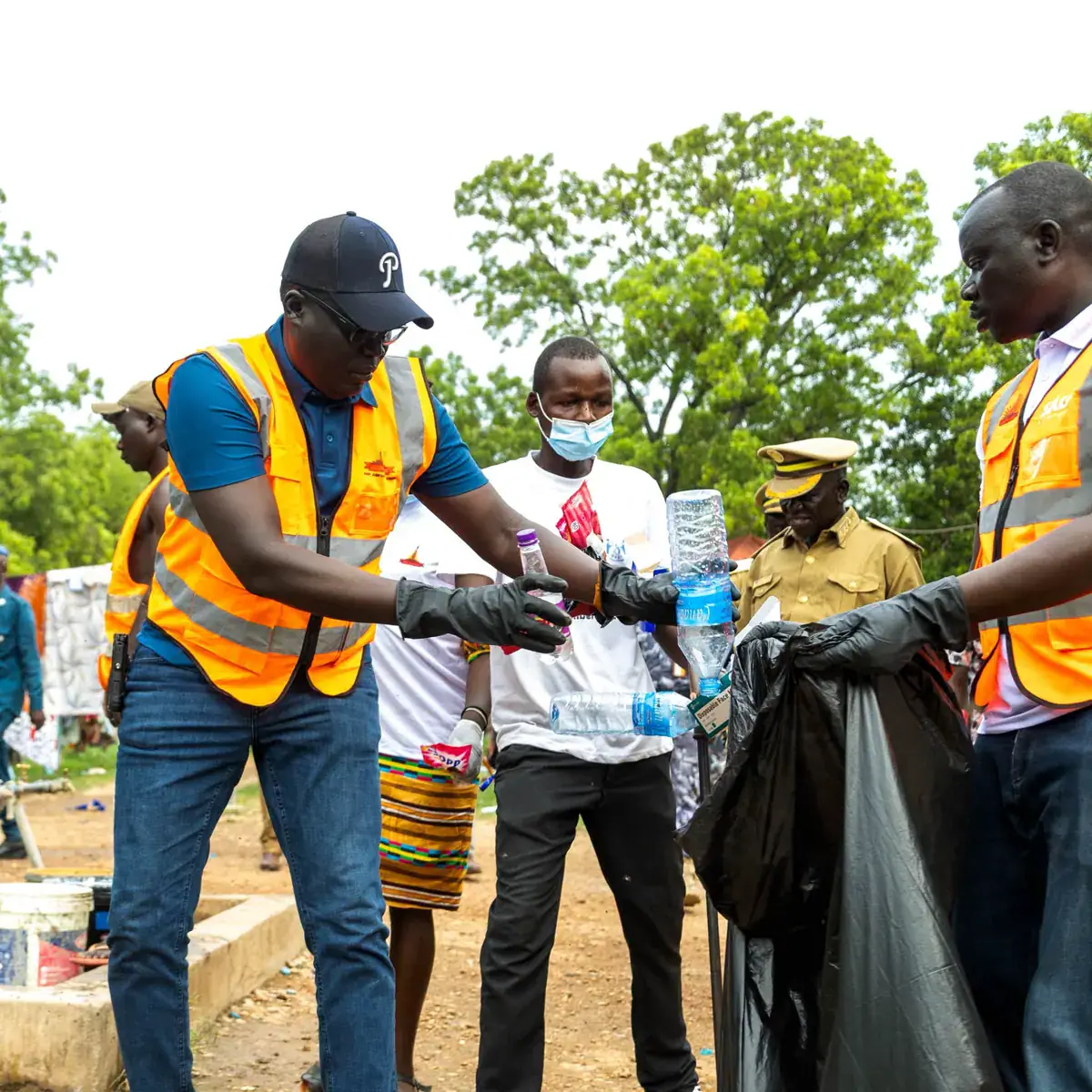
Juba City Council caretaker Mayor Christopher Sarafino Wani Swaka has set a December deadline to end indiscriminate garbage dumping in the capital. The administration has moved from public awareness campaigns to enforcing sanitation laws, after spending months mobilizing residents and educating households about proper waste disposal. Wani stated that the city must be clean by December, emphasizing that random garbage dumping will no longer be tolerated.
The mayor outlined a three-stage approach involving public awareness, legislation, and enforcement to address persistent sanitation problems in Juba. The Keep Juba Clean campaign aims to change residents' behavior, rather than producing temporary improvements during organized cleaning exercises. Wani emphasized that clean-up campaigns should raise awareness and promote a culture of cleanliness.
The administration has involved national and state leaders, governors, and community representatives in the campaign, alongside 57 quarter council committees responsible for mobilizing residents. Public and environmental health officers have been deployed to work with the committees, identify sanitation hotspots, and improve communication with residents. The administration is also working to ensure its awareness teams can communicate in languages understood by different communities.
The council passed a Solid Waste Ordinance in April, providing a legal framework to regulate waste management and enforce sanitation rules. Residents need to be educated about the regulations and provided with opportunities to dispose of their waste properly before penalties can be imposed. Enforcement has intensified over the past two weeks, targeting indiscriminate dumping in public spaces.
Wani acknowledged weaknesses in waste collection services, stating that the council is working to improve reliability by strengthening coordination with quarter council committees. Additional municipal workers have been deployed to support the committees, while health officers are expected to identify problem areas and report challenges affecting waste collection.
Beyond sanitation, Wani identified blocked waterways, inadequate drainage, and rapid population growth as major challenges facing Juba, particularly during the rainy season. The city's population has grown from about 170,000 before 2005 to over one million in its metropolitan area, putting pressure on existing infrastructure and available land. Some residents have built homes along natural waterways, obstructing the routes through which rainwater traditionally flows towards the Nile.
The administration has engaged multilateral institutions, including the World Bank, to seek support for infrastructure improvements under urban resilience programs. Proposed interventions include road improvements and upgrades to infrastructure in areas affected by flooding. Wani emphasized that maintaining a clean capital requires sustained public participation and reliable municipal services, with cleanliness, a greener urban environment, and public safety as the administration's three main priorities.
Key points
- The Juba City Council has set a December deadline to end indiscriminate garbage dumping in the capital.
- The administration has adopted a three-stage approach involving public awareness, legislation, and enforcement to address sanitation problems.
- The council has engaged multilateral institutions to seek support for infrastructure improvements under urban resilience programs.
Reporting sources
- Juba mayor sets December deadline to clean up capital · sudanspost.com