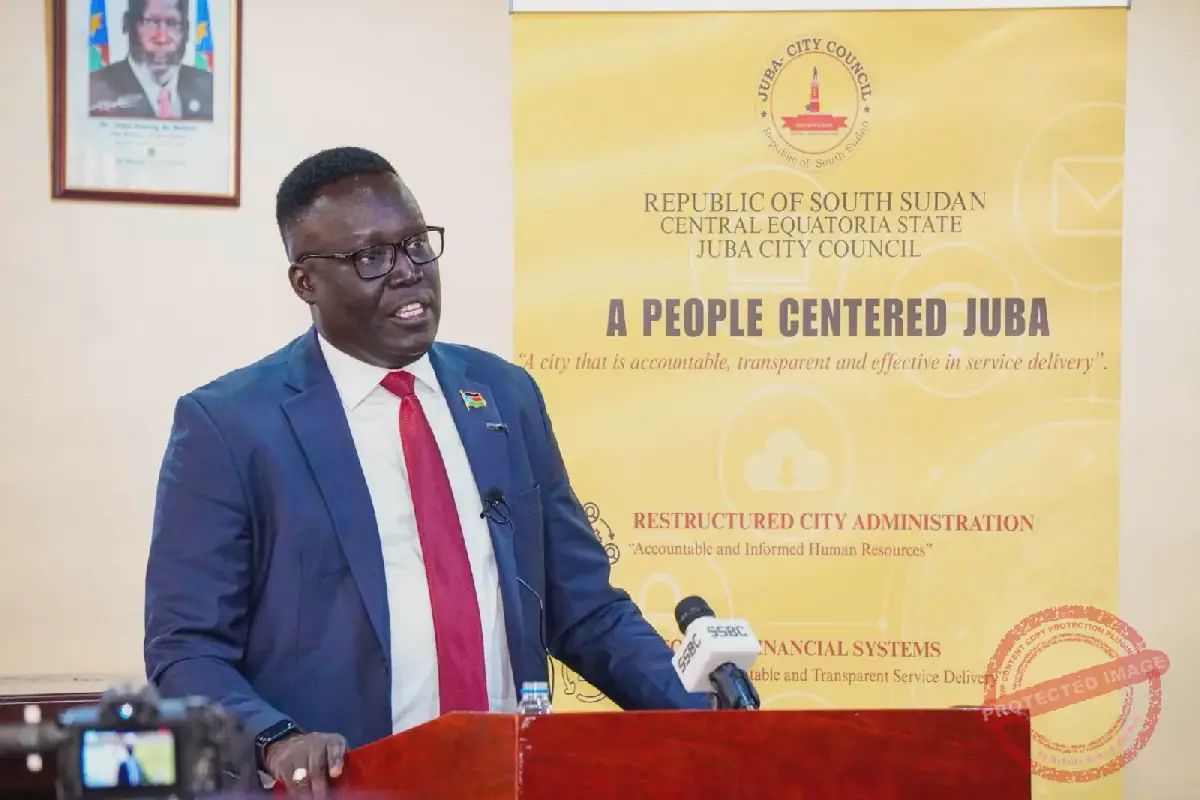
The Juba City Council in South Sudan has fully digitized its revenue collection operations, marking a significant shift from manual systems. This move aims to enhance transparency, accountability, and efficiency in managing public revenue. According to Mayor Christopher Serafino Wani, the council had proposed digitalizing its revenue systems, which led to the Legislative Council of Juba City passing a digitalization law. This law enabled the introduction of a new digital system for revenue collection.
The digitalization law was passed after a four-month proposal process, paving the way for the implementation of the new system. Mayor Wani emphasized that the transition to a digital system is a major step towards modernizing the council's revenue administration. The digital system is expected to strengthen oversight and ensure greater accountability in the collection and management of public funds. This move is part of the council's efforts to improve its operations and provide better services to the public.
The Juba City Council completed the migration to the digital system within 10 days, officially moving all its revenue operations from manual to digital systems. Mayor Wani announced that the council is now 100% digitalized, transparent, and accountable. The digital system will enable the council to efficiently collect and manage public revenue, reducing the risk of errors and corruption associated with manual systems.
The elimination of manual systems like Form 15 is expected to improve the council's revenue collection processes. The digital system will provide a secure and transparent platform for revenue collection, enabling the council to track and manage revenue in real-time. This will help to prevent revenue leakage and ensure that public funds are managed efficiently.
Mayor Wani emphasized the council's commitment to maintaining transparency in its revenue operations following the shift from manual processes. The digital system will provide a clear audit trail, enabling the council to track all revenue transactions. This will help to build trust with the public and stakeholders, who will be able to access information on revenue collection and management.
The digitization of revenue collection operations is part of the council's efforts to modernize its operations and provide better services to the public. The digital system will enable the council to provide efficient and effective services, improving the overall business environment in Juba City. This move is expected to have a positive impact on the local economy, attracting investment and promoting economic growth.
The Juba City Council's digitization of revenue collection operations is a significant achievement, demonstrating the council's commitment to improving its operations and providing better services to the public. The digital system will provide a secure, transparent, and efficient platform for revenue collection and management, enabling the council to manage public funds effectively. This move is expected to have a positive impact on the local economy, promoting transparency, accountability, and economic growth.
Key points
- The Juba City Council has fully digitized its revenue collection operations, eliminating manual systems like Form 15 to boost transparency and accountability.
- The digital system will provide a secure and transparent platform for revenue collection, enabling the council to track and manage revenue in real-time.
- The move is expected to improve the council's revenue collection processes, reducing the risk of errors and corruption associated with manual systems.