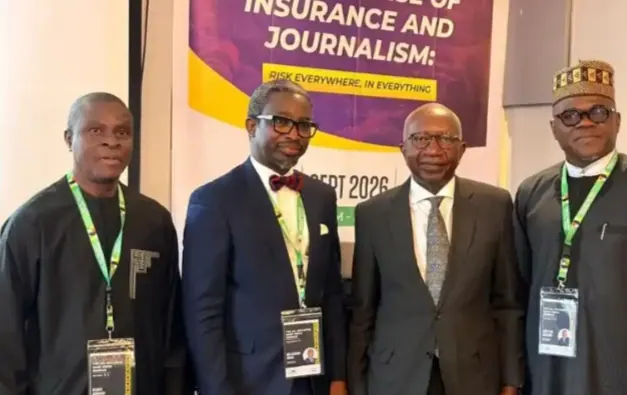
Insurance professionals and media experts have challenged Nigerian journalists to make insurance protection, claims, compliance, and economic consequences a regular part of their reporting on disasters and major incidents. This call was made during a two-day media seminar in Lagos, organized by Insurance Publication Limited and sponsored by the Africa Re Foundation and Africa Reinsurance Corporation. The seminar aimed to examine how the media can help Nigerians better understand risk and insurance.
Professor Adepoju Tejumaiye of the University of Lagos urged journalists to become "risk interpreters" who explain how insurance can protect individuals, businesses, and government from financial losses. He identified low public awareness, mistrust of insurers, complicated insurance language, poor claims experiences, and weak enforcement of compulsory insurance requirements as factors contributing to low insurance uptake. Tejumaiye encouraged reporters to investigate beyond immediate incidents by asking whether affected properties or businesses were insured and what type of cover existed.
Dr. Femi Oyetunji, Chairman of the Board of Directors of SanlamAllianz Life Insurance Nigeria Ltd, described Nigeria's insurance gap as a national resilience issue. He said the Nigerian Insurance Industry Reform Act 2025 provided an opportunity to strengthen the sector through improved regulation, compulsory insurance, and stronger policyholder protection. Oyetunji stressed that reforms would only achieve their intended impact if insurers provided accessible products and valid claims were settled promptly.
The seminar also examined the growing role of technology in expanding insurance access. Jackson Ikiebe, a Certified Chief Artificial Intelligence Officer, said artificial intelligence and blockchain could help insurers reach more Nigerians through digital distribution and automated claims processing. However, he cautioned that technology alone could not solve the sector's problems, citing low public awareness and digital trust concerns.
Raymond Akalonu, Managing Director and Chief Executive Officer of Umbrella Insurance Brokers Ltd, called for a shift from a "relief culture" to an insurance culture. He argued that government bailouts following disasters often provide temporary relief while transferring the financial burden to public funds. Akalonu urged journalists to investigate the insurance dimension of major incidents and report whether affected assets were insured and how claims were handled.
Speakers also stressed the importance of stronger enforcement of compulsory insurance requirements. Senior Advocate of Nigeria, Dr. Omogbai Omo Eboh, said government should lead by example by ensuring that its assets and employees were adequately insured. He suggested that compliance with compulsory insurance requirements could be linked to licences, permits, and public procurement processes.
The seminar highlighted the need for journalists to strengthen their coverage of healthcare policies and their impact on Nigerians. Dr. Augustine Aipoh, Medical Director of Olive Medicare Hospital, urged journalists to move beyond event-based healthcare reporting and examine whether government policies were achieving their intended objectives. The speakers maintained that with the implementation of the NIIRA 2025 reforms and growing digital technologies, Nigeria has an opportunity to deepen insurance penetration.
Key points
- Experts urge journalists to become "risk interpreters" to explain insurance protection to the public.
- The Nigerian Insurance Industry Reform Act 2025 aims to strengthen the sector through improved regulation and compulsory insurance.
- Technology can help expand insurance access, but low public awareness and digital trust concerns need to be addressed.