In Côte d'Ivoire, social media and messaging apps play a significant role in daily interactions, allowing citizens to access information, engage in debates, and participate in public life. However, these platforms also facilitate the spread of rumors, fake news, and manipulated content, especially during elections, security crises, and community tensions. To combat this, experts emphasize the need for cooperation between journalists, fact-checkers, and citizens to protect the information landscape without restricting freedom of expression or hindering democratic debate.
The concept of Foreign Information Manipulation and Interference (FIMI) refers to intentional and coordinated efforts to manipulate information, potentially harming values, procedures, and political processes. According to the European External Action Service (EEAS), FIMI involves behaviors such as using fake accounts, misleading media, falsified documents, or coordinated diffusion networks to influence perceptions, discredit institutions, or exacerbate divisions. However, not all false information constitutes FIMI; credible evidence is required to establish foreign interference.
Journalists play a crucial role in protecting information integrity, and their responsibility goes beyond quickly publishing news. They must verify facts, establish the origin of information, and provide context. To achieve this, journalists can utilize tools like Google Lens or the InVID project to identify the source and date of viral videos. Additionally, they should cross-check information with witnesses, documentary sources, and independent information to ensure accuracy.
Fact-checkers serve as a second line of defense against misinformation. Their work involves a thorough research process using verifiable sources, documents, digital tools, and transparent methods. In Côte d'Ivoire, organizations like DUBAWA, Africa Check, and Cellule Anti Fake News contribute to documenting misleading claims and making verification results accessible to the public. These publications also serve as resources for journalists, teachers, and civic organizations.
Fact-checkers not only verify public claims but also document manipulation techniques. By examining the dissemination of suspicious messages, they can identify potential coordination and study the actors, behaviors, contents, diffusion, and effects involved. This approach helps distinguish between false information, suspected coordinated campaigns, and documented foreign interference operations.
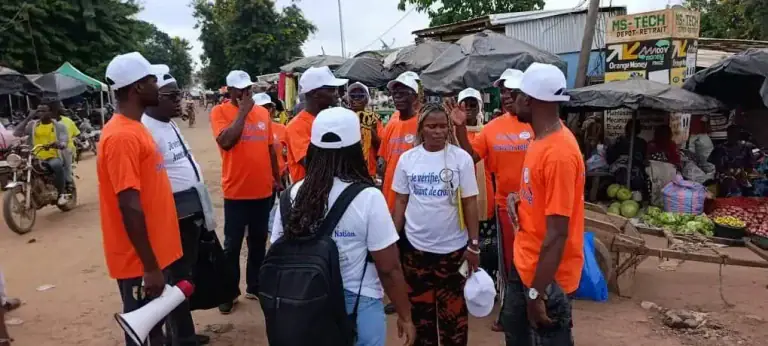
Citizens also play a vital role in protecting information integrity. By being vigilant and educated, they can identify and report suspicious content, ultimately contributing to a safer information environment. Fact-checkers and civic organizations can empower citizens with the skills to verify information, identify fake accounts, and recognize manipulated content. This education is essential, as a single verification publication can correct a specific rumor, while training enables participants to develop useful reflexes against numerous other publications.
The fight against misinformation in Côte d'Ivoire requires a multifaceted approach that involves journalists, fact-checkers, and citizens. By working together and adopting a culture of verification, transparency, and critical thinking, Côte d'Ivoire can mitigate the risks associated with FIMI and protect its information landscape. Key to this effort is promoting media literacy, supporting independent fact-checking initiatives, and fostering a culture of critical thinking among citizens.
Key points
- Journalists, fact-checkers, and citizens must collaborate to protect Côte d'Ivoire's information landscape.
- Fact-checking involves a thorough research process using verifiable sources and transparent methods.
- Educating citizens on media literacy and critical thinking is essential to combating misinformation.
Reporting sources
- Face aux FIMI : journalistes, fact-checkers et citoyens, trois acteurs essentiels pour protéger l’information · Agence ivoirienne de presse