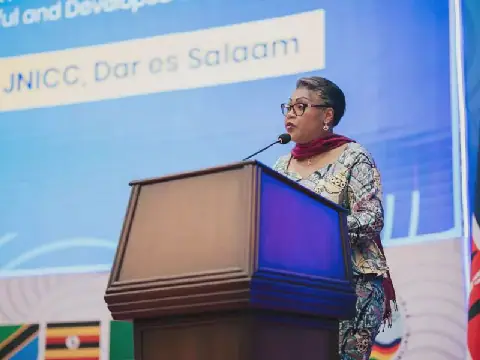
As Kenya approaches the 2027 General Election, media leaders and human rights stakeholders are demanding accountability for attacks against journalists, warning that failure to prosecute perpetrators creates an environment where violence against the press can flourish. Kenya Editors Guild President Zubeidah Kananu has challenged security agencies, government, and media owners to move beyond promises and guarantee journalists' safety, dignity, and protection. During the International Day to End Impunity for Crimes Against Journalists commemorations in Nairobi on November 2, 2026, Kananu emphasized the need for clear operational protocols between media organisations and security agencies.
Kananu cited the shooting of journalist Catherine Wanjeri while covering the Gen Z protests, attacks against journalists during the Ol Kalou by-election, and destruction of reporting equipment. She disclosed that the Kenya Editors Guild had written to the Inspector General of Police and the Independent Policing Oversight Authority seeking updates on investigations into attacks against journalists, particularly during political events. The Guild wants to establish how many cases have been investigated, forwarded for prosecution, and resolved. Kananu delivered a direct message to security officers: "A press card is not a target. A camera is not a weapon. Journalism is not a crime."
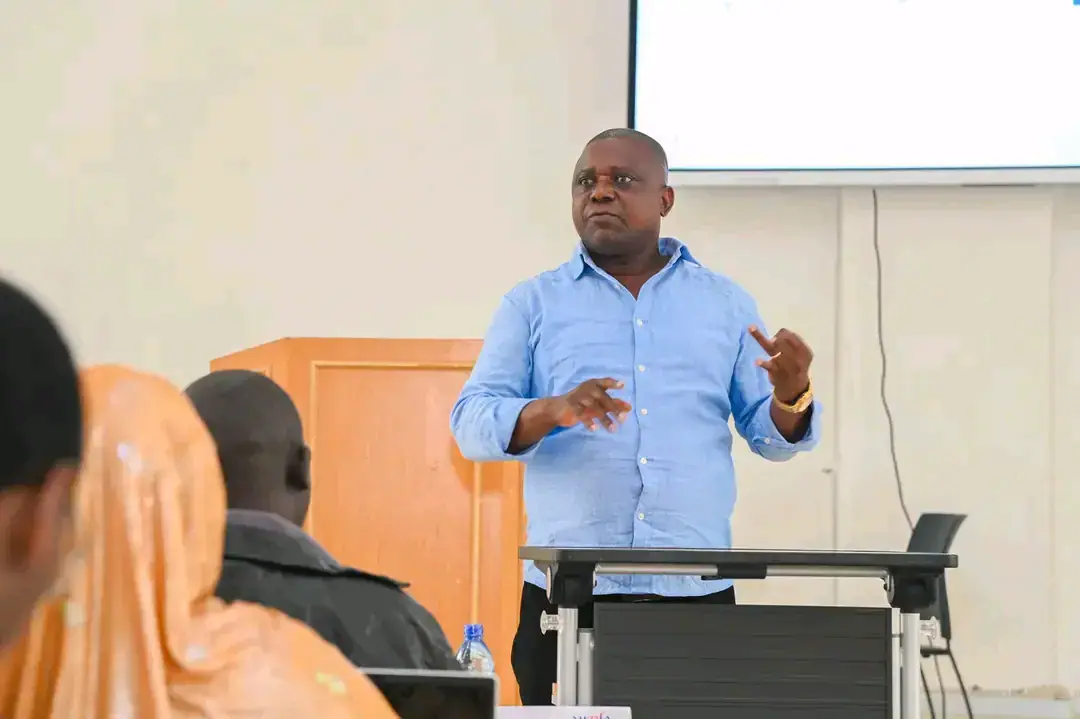
Media Council of Kenya Chief Executive Officer David Omwoyo warned that threats against journalists are evolving in different directions, including physical violence, online harassment, and economic insecurity. He raised concern about the influence of powerful individuals who publicly threaten or accuse journalists, warning that such conduct can encourage attacks by others. Omwoyo reinforced calls for leaders to respect journalists' constitutional role and refrain from statements that expose them to danger.
The Office of the Director of Public Prosecutions reaffirmed its commitment to prosecuting crimes against journalists. Jacinta Nyamosi, representing the ODPP, said Articles 33, 34, and 35 of the Constitution protect freedom of expression, media freedom, and access to information. She cited the prosecution of three individuals sentenced to 15 years imprisonment each in March 2024 for grievously assaulting Nation correspondent Alex Kalama Gona.
Kananu expanded the conversation beyond physical attacks, arguing that economic insecurity and mental health challenges also threaten the profession. She challenged media owners to provide timely salaries, fair contracts, medical cover, insurance, reasonable working hours, and psychological support. UNESCO consultant Lea Simonini warned that insecure employment, online intimidation, and surveillance are weakening independent journalism.
The scale of the crisis extends beyond Kenya, with UNESCO's monitoring since 2006 recording 1,641 journalists killed worldwide, approximately one every four days, with nearly nine in ten cases remaining unpunished. In Africa, 171 killings have been recorded, but only 29 have been resolved, leaving an impunity rate of 83%. Meanwhile, the Media Council of Kenya has documented 45 cases involving attacks and threats against journalists as the country approaches the 2027 elections.
With the 2027 elections approaching, Kananu warned against treating journalist safety as an issue to address only after violence occurs. She called for clear operational protocols between media organisations and security agencies, designated liaison officers, rapid response mechanisms, and accessible reporting channels. The Media Council, UNESCO, and the ODPP have called for stronger protection, investigations, and prosecution of perpetrators to ensure journalists' safety and press freedom.
Key points
- Journalists in Kenya face 45 documented cases of attacks and threats ahead of the 2027 General Election.
- Media stakeholders demand accountability and stronger protection for journalists.
- Failure to prosecute perpetrators creates an environment where violence against the press can flourish.