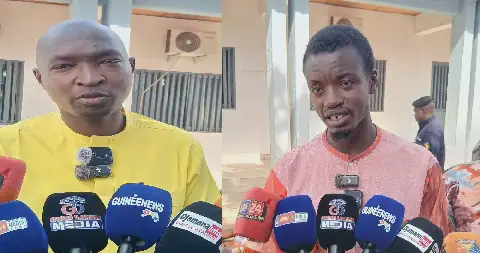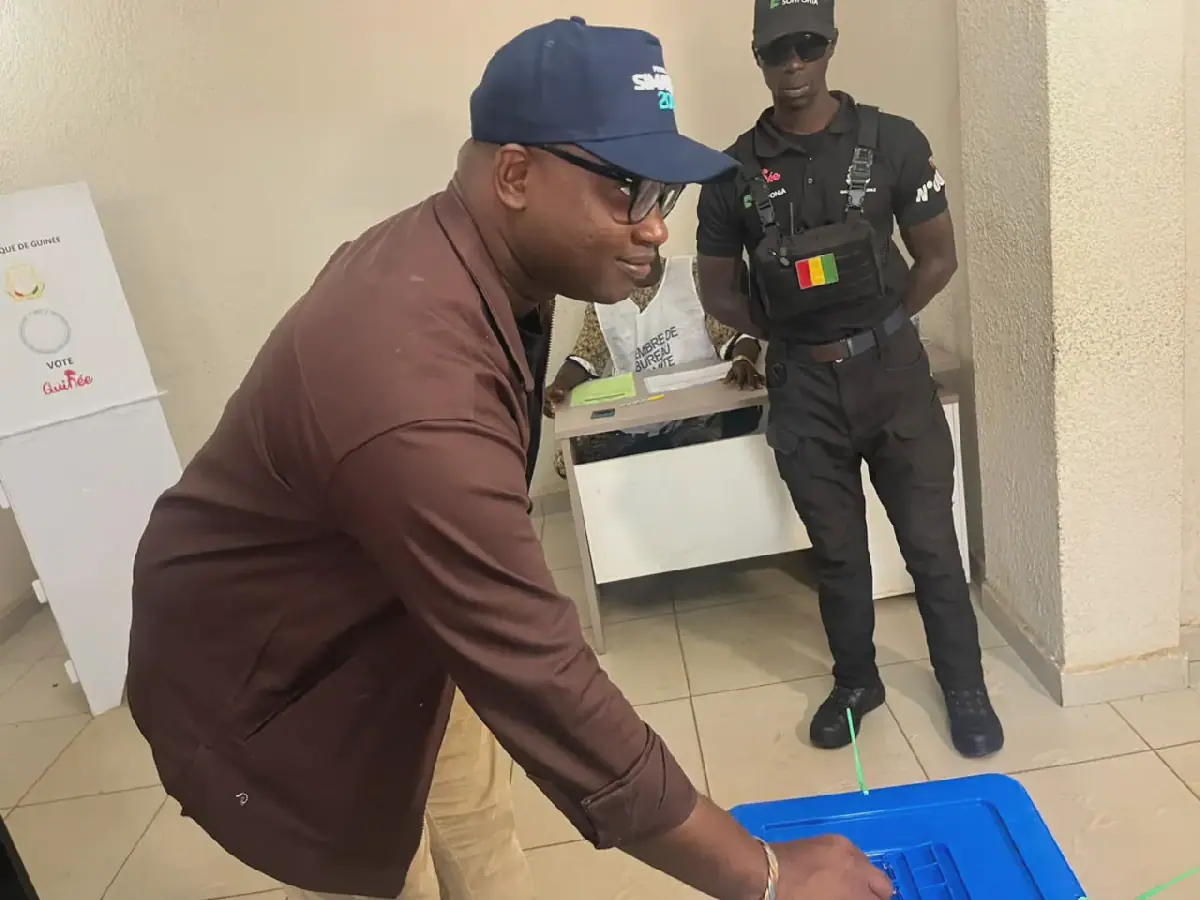
Regional elections took place in Guinea's 375 communes on November 29, following presidential, legislative, communal, and community elections. In the commune of Lambandji, voting began at 7 am with all necessary installations and electoral agents in place. However, journalists were denied access to the polling station, despite presenting their accreditation cards issued by the High Authority of Communication. They were forced to conduct interviews outside with candidates as they exited the station.
The restriction on journalists was not uniform across all polling stations. In Lambandji, three candidates, including one woman, were contesting the election. Safourata Camara, a councilor and candidate, emphasized her focus on promoting women's empowerment, education, and environmental sanitation. She highlighted the importance of women's financial autonomy, stating it would benefit the country. Her comments reflect the priorities of candidates in the election.
Other candidates in Lambandji, such as Youssouf Cissé and Morlaye Camara, shared their perspectives on the indirect vote and its implications. Cissé explained that councillors would represent the 385,844 inhabitants of Lambandji and promised regular reports on major decisions. Camara noted that these elections, previously non-existent, would open up politics to young people and broaden its scope. Their comments illustrate the significance of the regional elections in Guinea.
The mayor of Lambandji, Baba Alimou Barry, expressed satisfaction with the voting process and looked forward to the installation of regional representatives. He believed that the elections would contribute to the country's development and decentralization of power. Similar sentiments were expressed in Sonfonia, where the atmosphere initially seemed tense, but improved after a last-minute communiqué from the High Authority of Communication.
In Sonfonia, Imourana Soumah, a candidate, welcomed the opportunity to participate in the electoral process and contribute to the development of his commune. He emphasized the importance of the election in establishing institutions and representing the interests of the population. His comments reflect the enthusiasm of candidates in the region.
The regional elections in Guinea mark a significant step in the country's democratic process. The outcome will determine the representatives at the regional level, who will play a crucial role in shaping the country's development. The elections have been closely watched, with various stakeholders emphasizing their importance in promoting decentralization and empowering local communities.
The restrictions faced by journalists in Lambandji highlight the challenges in ensuring transparency and accountability in the electoral process. However, the improved situation in Sonfonia and the overall conduct of the elections suggest a positive trend in Guinea's democratic development. The country continues to make progress in establishing its institutions and promoting citizen participation.
Key points
- Journalists faced restrictions while covering regional elections in Guinea on November 29.
- The elections took place in 375 communes across the country, following previous presidential, legislative, communal, and community elections.
- The outcome of the elections will determine regional representatives who will play a crucial role in shaping Guinea's development.