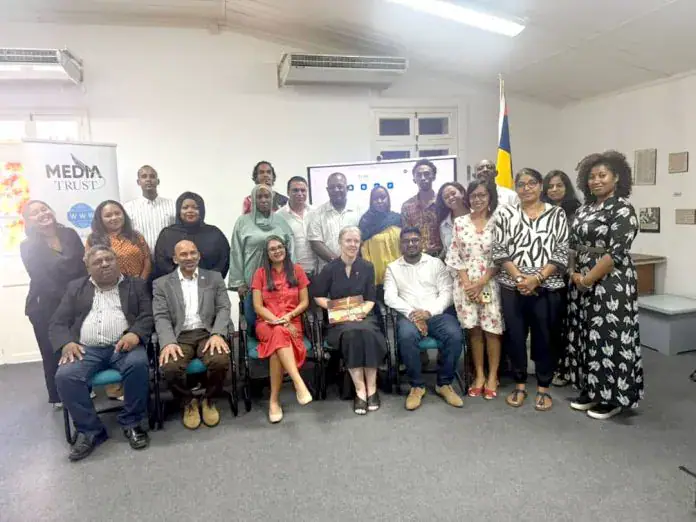
A recent trip to Mauritius offered a fresh perspective on the island nation's diverse culture and environmental challenges. The visit was part of a training session organized by Media Trust, which brought together journalists from several Indian Ocean islands. The program aimed to enhance professional skills and share experiences. Upon arrival, a sense of familiarity was palpable, with memories of a previous visit resurfacing as the urban landscapes and vibrant streets of Port-Louis came into view.
Mauritius stands out for its rich cultural identity shaped by multiple waves of settlement and a unique history. The island is home to a mosaic of communities, including Indo-Mauricians, Creoles, Sino-Mauricians, and Franco-Mauricians. This diversity is reflected in traditions, languages, and daily life. The local cuisine is a testament to this cultural blend, with popular dishes like dholl puris, gâteau piments, and briani showcasing the island's culinary creativity.
The trip also highlighted the importance of human connections in making a journey meaningful. A notable encounter was with Tamish Rangasamy, a young Mauritian in the financial sector. He shared his vision for his country, expressing pride in its stability and cultural diversity while emphasizing the need for more opportunities for young people and inclusive development. His testimony underscored the aspirations of a generation eager to contribute to their country's progress.
The visit included a regional workshop on environmental challenges faced by small island states. Journalists from various Indian Ocean islands gathered to discuss issues like rising sea levels, coastal erosion, and water scarcity. The workshop aimed to bridge the gap between international climate negotiations and the daily realities faced by island communities. It also sought to enhance journalists' skills in environmental reporting and promote a regional training hub for climate journalism.
A key part of the workshop was a site visit to Mare aux Vacoas, which provided a firsthand look at the challenges related to preserving natural resources, managing water, and protecting biodiversity. Such experiences offer a nuanced understanding of environmental issues, highlighting the impact on territories, populations, and resources essential to community survival.
The discussions were enriched by interventions from invited personalities, including the Australian High Commissioner to Mauritius, Kate Chamley, who emphasized the importance of cooperation between the Pacific and Indian Ocean regions in addressing common challenges. Other speakers, such as Christina Chan-Meetoo from the University of Mauritius and Dr. Vikash Tataya from the Mauritian Wildlife Foundation, stressed the role of media in shaping behaviors and driving environmental action.
The workshop concluded with a renewed conviction that addressing climate change requires a collaborative approach, especially for vulnerable island nations. The program not only facilitated knowledge sharing but also underscored the importance of media in translating information into concrete environmental actions. As the international community prepares for significant climate negotiations, such initiatives are crucial for amplifying the voices of those most affected by climate change.
Key points
- The island nation's cultural diversity and environmental challenges were highlighted during a recent Media Trust training session for journalists.
Reporting sources
- Maurice : voyage au cœur d’une île plurielle · La Nation