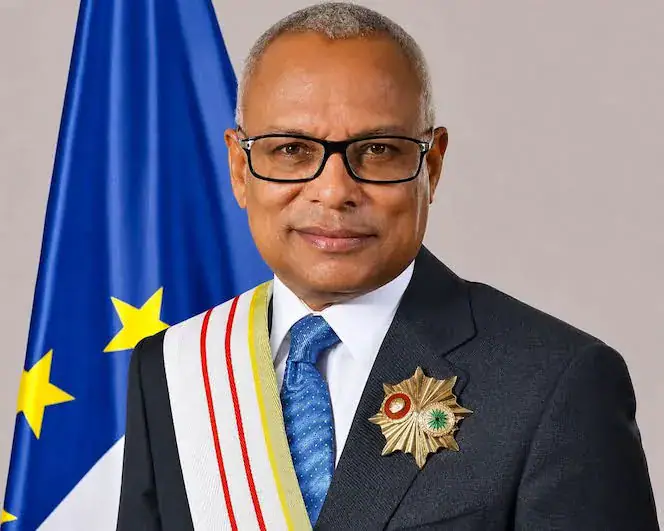
Cape Verde's President Jose Maria Neves has been re-elected for another term, securing 63.8% of the vote in the presidential election held on November 15, 2026. Neves, 66, ran against six other candidates, including his main opponent, Joana Rosa Amado, who garnered 31.4% of the votes. The election saw a turnout of 419,448 voters, including those from the diaspora, who make up a significant portion of the country's population.
Neves' re-election was supported by the African Party for the Independence of Cape Verde (PAICV), a left-wing party that won the legislative elections in May 2026. The president-elect has promised to continue promoting democracy, freedom, and the rule of law in the island nation. As president, Neves will maintain his role as a guarantor of democracy and the constitution, appointing a prime minister from the parliamentary majority and representing the country internationally.
In his post-election statement, Neves emphasized his commitment to addressing socio-economic challenges, including inequality and poverty. He vowed to work towards inclusive growth, improving salaries and family incomes, and combating social inequalities. The president also highlighted the need for Cape Verde to remain a peaceful nation that defends multilateralism, international law, and negotiated conflict resolution.
The election result was welcomed by former Beninese President Thomas Boni Yayi, who praised the maturity of Cape Verde's electoral process. Yayi congratulated Neves on his re-election, saying that the transparent and inclusive election was a source of pride for the continent. Neves' re-election was seen as a testament to the country's democratic progress.
Despite his comfortable win, Neves acknowledged the high abstention rate of 68% in the election. He attributed this to difficulties in voter mobility and suggested that modernizing the electoral system, potentially through electronic voting, could improve participation in future elections. The president's comments highlight the need for electoral reforms to increase voter engagement.
Cape Verde faces significant structural challenges, including persistent inequalities, limited connectivity between islands, and high living costs. The country's economy is also affected by expensive fuel and high youth unemployment. Neves' re-election provides an opportunity for him to address these pressing issues and work towards sustainable development.
The international community has taken note of Neves' re-election, with many congratulating him on his victory. As he begins his new term, Neves will need to navigate the country's challenges while maintaining his commitment to democratic principles and socio-economic progress. The president's ability to deliver on his campaign promises will be closely watched by Cape Verdeans and international observers alike.
Key points
- Neves secures 63.8% of the vote to win re-election as Cape Verde's president.
- The president-elect promises to address socio-economic challenges, including inequality and poverty.
- The election saw a high abstention rate of 68%, which Neves attributes to voter mobility issues.