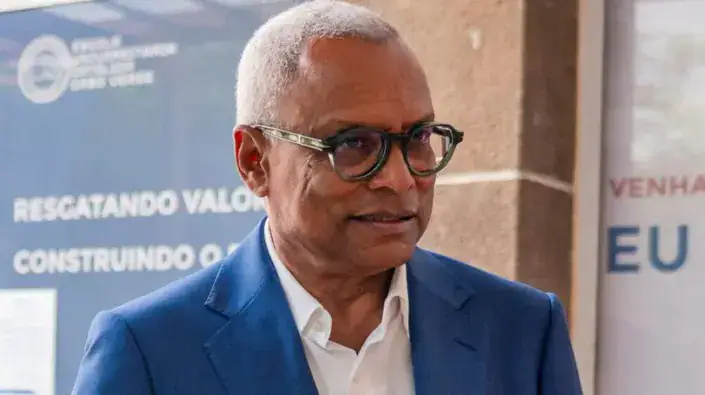
Cape Verde's incumbent President José María Neves has been re-elected for a second term, securing 63.8% of the votes in the presidential election held on November 15. According to provisional results, Neves, the candidate of the African Party for the Independence of Cape Verde (PAICV), won in the first round, as expected. His main opponent, Joana Rosa Amado, conceded defeat, with 31.4% of the votes.
Neves, 66, benefits from the support of the PAICV, which won the legislative elections in May. He has promised to continue promoting freedoms, democracy, and the rule of law in the country. The President also vowed to work towards inclusive growth, aiming to improve salaries, family incomes, and combat social inequalities and poverty. Cape Verde faces significant challenges, including persistent social inequalities, geographical isolation, and high transportation costs between the archipelago's islands.
The President's role in Cape Verde is largely symbolic, with the head of state acting as an arbiter, guarantor of national unity, and representative of the country abroad. The President appoints the Prime Minister based on the outcome of legislative elections. Neves' re-election was expected, given his popularity and the country's reputation as a model of democracy in West Africa.
The election saw a high abstention rate of 68%, which Neves attributed to the high mobility of Cape Verdeans and the need to modernize the electoral system. He suggested the possibility of introducing electronic voting to increase participation. The President also called on political actors to address the issue and promote greater citizen engagement in the country's political life.
Cape Verde faces significant economic challenges, including a high cost of living, rising fuel prices, and youth unemployment. Neves has emphasized the need for inclusive growth and social development. The country's stability and good governance have made it an exception in a troubled West African region.
The President's second term will focus on promoting democracy, freedoms, and the rule of law. He has also highlighted the importance of maintaining peace and defending multilateralism, international law, and negotiated conflict resolution. Neves' re-election confirms Cape Verde's commitment to democratic values and stability.
The international community has congratulated Neves on his re-election, recognizing Cape Verde's democratic credentials. The country will continue to face challenges, but Neves' second term is expected to consolidate stability and promote economic development. The President's inauguration for his second term is expected to take place in the coming weeks.
Key points
- José María Neves won 63.8% of the votes in the presidential election.
- The election saw a high abstention rate of 68%.
- Neves has promised to promote inclusive growth and combat social inequalities.
Reporting sources
- Cap-Vert/Présidentielle : José María Neves rempile pour un second mandat de cinq ans · Gabon Press Agency