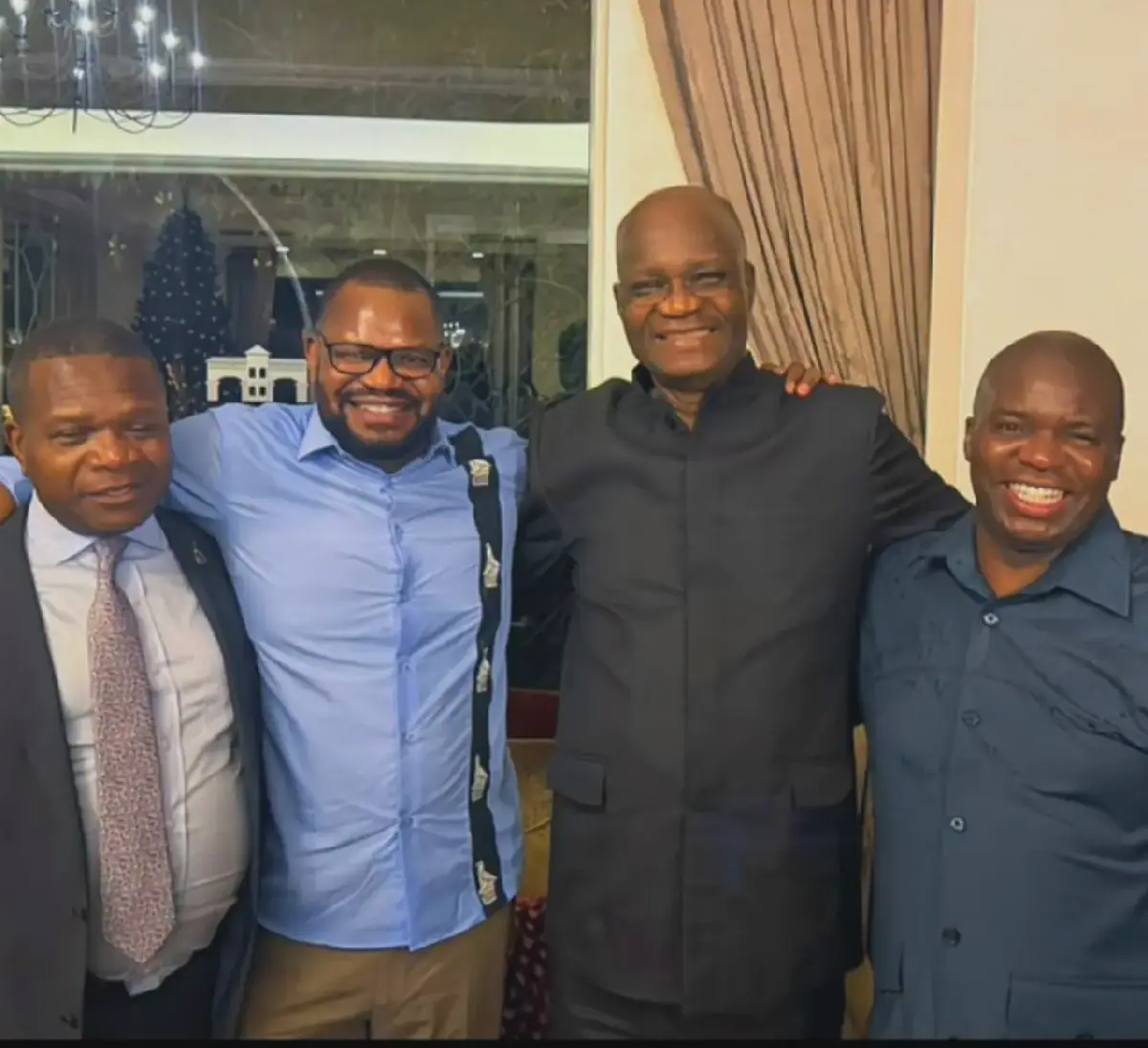
Professor Jonathan Moyo, a key figure in Zimbabwe's politics, reportedly met with President Emmerson Mnangagwa in Nairobi on November 26, 2026. The meeting, which included senior officials such as Central Intelligence Organisation Director-General Paul Chikawa and Foreign Affairs Minister Amon Murwira, has raised questions about Moyo's role in shaping Zimbabwe's constitutional changes. Moyo had been in exile in Nairobi since 2017, where he had been critical of Mnangagwa's administration.
The reported meeting comes as Zimbabwe's Constitutional Court considers legal challenges to the sweeping constitutional changes that extend Mnangagwa's presidency to 2030. The changes, known as the Constitution of Zimbabwe Amendment (No. 3) Act or CAB3, have been the subject of controversy, with allegations that Moyo quietly authored the intellectual blueprint behind the overhaul. Moyo had denied any involvement, but his public defense of CAB3 in February 2026 raised suspicions about his role.
According to leaked strategy documents, Moyo and South Africa-based political consultant Glen Mpani were behind the conceptual framework of the reforms. The documents, which circulated in late 2025, outlined a plan to bypass a national referendum and push through the changes via a parliamentary-led omnibus bill. Claims have also circulated about the payment of roughly US$5 million to Moyo and his associates for their work on the project.
The composition of the delegation present at the Nairobi meeting carries significant political weight, with figures representing the legal, intelligence, administrative, and financial nerve center of the campaign that pushed CAB3 onto the statute books. Alongside Murwira and Chikawa, Justice Minister Ziyambi Ziyambi, Attorney-General Virginia Mabhiza, and influential businessman-turned-Cabinet minister Kudakwashe Tagwirei were reportedly in attendance.
To understand why the Nairobi meeting matters to ordinary Zimbabweans, it is essential to untangle the legal mechanics of CAB3. The legislation fundamentally reshapes Zimbabwe's 2013 Constitution across four distinct pillars, including lengthening presidential, parliamentary, and local authority terms from five years to seven. The changes also apply that seven-year cycle to sitting incumbents, effectively postponing the harmonized elections scheduled for 2028 and extending Mnangagwa's tenure to 2030.
The reported meeting between Moyo and Mnangagwa forces a fundamental reckoning over who designed Zimbabwe's constitutional crisis, how it was financed, and what it reveals about the battle to control the country's post-2028 succession. If verified, the meeting would suggest a level of collaboration between Moyo and Mnangagwa that contradicts previous denials. The implications of such a collaboration would be significant, given the controversy surrounding CAB3 and the allegations of Moyo's involvement.
As the Constitutional Court deliberates on the legal challenges to CAB3, the reported meeting between Moyo and Mnangagwa has revived questions about the authorship of the constitutional changes. The court's decision will have significant implications for Zimbabwe's future, and the reported meeting has added a new layer of complexity to the debate. The outcome will be closely watched by Zimbabweans and international observers alike.
Key points
- The reported meeting between Jonathan Moyo and Emmerson Mnangagwa has raised questions about Moyo's role in shaping Zimbabwe's constitutional changes.
- The Constitution of Zimbabwe Amendment (No. 3) Act or CAB3 has been the subject of controversy, with allegations that Moyo quietly authored the intellectual blueprint behind the overhaul.
- The implications of the reported collaboration between Moyo and Mnangagwa would be significant, given the controversy surrounding CAB3 and the allegations of Moyo's involvement.