On October 1, 2026, Nigeria marked its 66th Independence anniversary, and President Bola Ahmed Tinubu addressed the nation, promising to brighten the day and renew hope in the country and his administration. He claimed Nigeria had "passed through our own Red Sea" and that "our destination is in sight." Tinubu stated that previous governments had postponed difficult decisions, allowing deep economic distortions to grow. He cited the removal of subsidy on petroleum products as one such difficult decision.
President Tinubu's removal of petrol subsidy was done with a simple pronouncement that "subsidy is gone." Another difficult decision was the scrapping of multiple foreign exchange rates, aimed at benefiting a particular group. However, former President Muhammadu Buhari's government had also approved a decision to end the fuel subsidy regime, setting an implementation date of July 1, 2023. The 2023 budget earmarked N3.35 trillion for subsidy payments for January to June 2023, after which no other money was budgeted.
Ex-President Goodluck Jonathan also took bold steps, pronouncing the removal of fuel subsidy in December 2011. He introduced economic safety nets to cushion the harsh effects, including the Subsidy Reinvestment and Empowerment Programme (SURE-P). Dr. Christopher Kolade was put in charge of the committee to manage the 42% federal government share of subsidy savings. The program ensured accountability, with periodic briefings on how much was being saved and how the money was being used.
However, Jonathan's government faced sustained resistance from poor, angry Nigerians, backed by powerful individuals, during the Occupy Nigeria protests in 2012. The protests, which took place in Lagos and other parts of the country, were reportedly fueled by subsidy beneficiaries. Tinubu, who was then the National Leader of the Action Congress, stood against subsidy removal, warning Jonathan of a potential people's revolution.
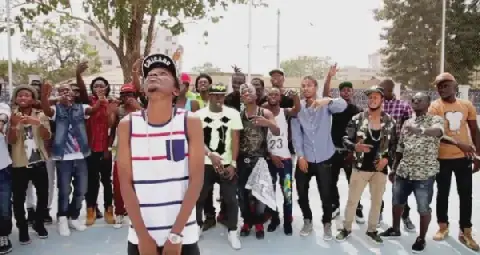
Tinubu described the removal of subsidy as a "Jonathan Tax" in 2012, inspiring resistance against Jonathan's government. Musicians, Nollywood actors, and playwrights participated in the protests, creating characters and jokes around the subsidy crisis. The term "Subsideen" was coined, referring to subsidy and the idea that Nigerians would give birth to "subsidy babies" during the protests.
President Tinubu's claim that his predecessors postponed difficult decisions has been disputed. Past leaders, including Jonathan, had taken bold steps against subsidy, which cost them precious things. Tinubu, as a beneficiary of Nigerians' benevolence, should acknowledge the efforts of his predecessors. His All Progressives Congress (APC) also played a role in the subsidy regime.
The issue of subsidy removal remains a contentious topic in Nigeria. While Tinubu's government has taken steps to reform the economy, the legacy of subsidy and its impact on Nigerians continues to be felt. The country's economic distortions and challenges persist, and the effectiveness of Tinubu's decisions remains to be seen.
Key points
- Ex-President Goodluck Jonathan took bold steps to remove fuel subsidy in 2011.
- President Bola Ahmed Tinubu claims previous governments postponed difficult decisions.
- The removal of subsidy on petroleum products remains a contentious topic in Nigeria.