Johannesburg Water has announced plans to reduce water demand by 200 million liters per day to improve the reliability of water supply across the city. The utility company will intensify monitoring and enforcement of Level 2 water restrictions through its entity and the city's relevant departments. This move aims to support the recovery of reservoir levels and improve the reliability of water supply.
Under the Level 2 restrictions, residents, businesses, and institutions are prohibited from irrigating gardens, lawns, parks, and public spaces with municipal drinking water. Hosing down hard surfaces, including driveways and paved areas, as well as dampening building sand, is also prohibited. Johannesburg Water spokesperson Nombuso Shabalala emphasized that compliance with the restrictions is compulsory, and contraventions may result in enforcement action.
The restrictions, declared in terms of Section 58(4) of the City of Johannesburg Water Services By-laws, 2023, will take effect on Saturday. Johannesburg Water stated that the supply system is under pressure due to high demand straining the available treated bulk water supply from Rand Water. This has affected reservoirs and water towers, which need to maintain sufficient storage levels.
The Gauteng department of co-operative governance and traditional affairs had called on municipalities to assess their water supply-and-demand conditions and implement Level 2 water-use restrictions. Johannesburg Water's assessment identified the need to reduce water demand by 200 million liters per day to support a more stable and sustainable supply. Operational interventions will be implemented to reduce consumption.
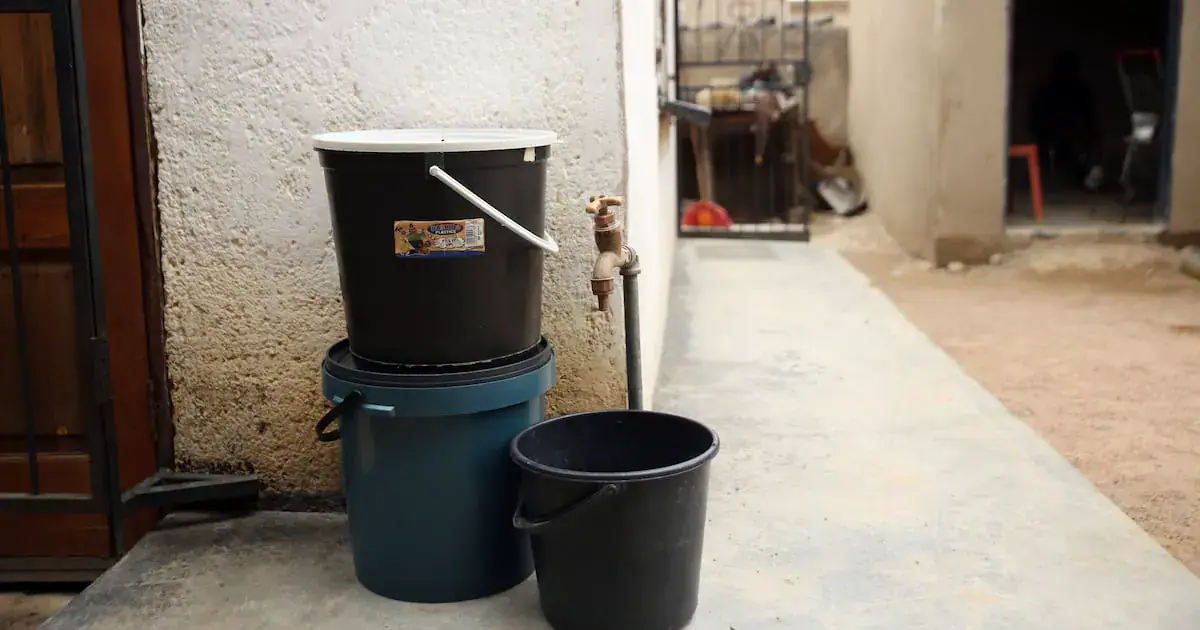
Johannesburg Water will conduct public education and awareness campaigns to encourage residents to reduce unnecessary water consumption. Residents are urged to repair leaking taps, toilets, and pipes, take shorter showers, and turn off taps when brushing their teeth or washing dishes. Using buckets instead of hosepipes when washing vehicles and avoiding filling or topping up swimming pools with municipal drinking water are also recommended.
Non-revenue water is currently estimated at about 48.4%, with physical losses of about 26.4%. Johannesburg Water acknowledged the difficulties experienced by communities affected by unreliable water supply. The company called on residents, businesses, institutions, and city departments to comply with the restrictions and reduce water consumption to help stabilize the supply system.
Additional measures will apply to city departments and their contractors, including using treated effluent instead of municipal drinking water for certain activities. Municipal departments and entities must stop using drinking water to irrigate parks, public spaces, and gardens. Residents and businesses are encouraged to monitor their water consumption and introduce practical water-saving measures on their premises.
Key points
- Johannesburg Water aims to reduce water demand by 200 million liters per day through Level 2 restrictions.