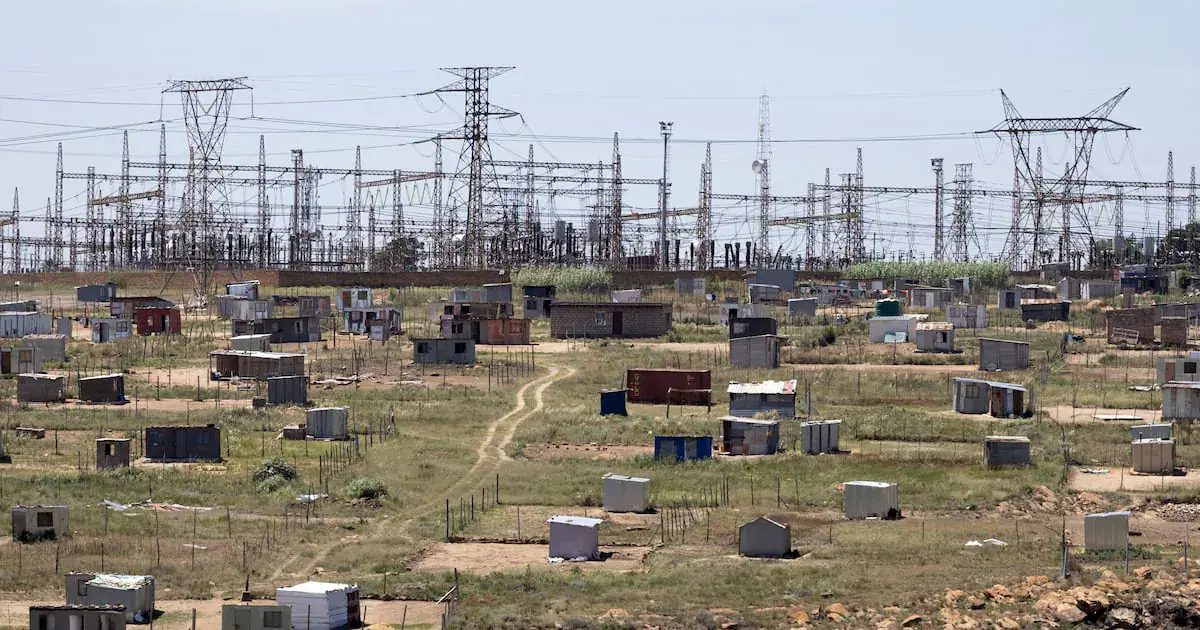
The number of informal settlements in Johannesburg has more than doubled over the past 14 years, from 181 to 379, with the estimated number of households living in them rising from 169,970 to about 365,000. This information is contained in a report approved by the Johannesburg city council on September 30. The report covers the period from 2012 to 2026 and highlights the growing need for services and infrastructure in these areas.
The Johannesburg city council has approved a new informal settlements policy aimed at bringing a coordinated approach to recognizing, servicing, and progressively upgrading settlements. The policy sets out an extensive program of municipal intervention, including profiling and counting informal settlements and individual households. This will help the city identify areas in need of services and infrastructure.
The city's own policy records a 117% increase in informal settlements between 2016 and 2024, acknowledging that the growth has increased demand for water, sanitation, electricity, and social amenities. Human settlements MMC Mlungisi Mabaso described the adoption of the policy as a "huge milestone". However, the report presented to councillors does not provide a comprehensive estimate of what implementing the policy across Johannesburg will cost.
JoburgCAN managing director Julia Fish said obtaining accurate data on the extent of informal settlements was an important step, but the increase raised questions about the city's management of their growth. Fish stated that the new policy's profiling and enumeration provisions could help the city identify irregular occupation patterns and prevent abuse, provided the information is properly verified and regularly updated.
The policy places responsibilities on numerous municipal entities, including Johannesburg Water, City Power, the Johannesburg Roads Agency, and Pikitup. These entities will be responsible for providing services such as water, sanitation, electricity, roads, and waste management. The policy also provides for transitional residential arrangements and temporary occupation permits in qualifying circumstances.
The Organisation Undoing Tax Abuse (Outa) raised questions about how Johannesburg would fund implementation of the policy, stating that the council should have been presented with a credible financial assessment before approving implementation. Outa warned that inadequately funded service obligations could result in further infrastructure deterioration and unreliable services.
Ward 118 councillor Neuren Pietersen raised concerns about affordability and the sequencing of planning and service provision, questioning the consultation process and the cost of implementing the policy's commitments. Pietersen acknowledged that the policy retained planning safeguards and environmental requirements but expressed concerns about the potential complications of upgrading informal settlements.
Key points
- The number of informal settlements in Johannesburg has more than doubled from 181 to 379 over the past 14 years.
- The city's new informal settlements policy aims to bring a coordinated approach to recognizing, servicing, and progressively upgrading settlements.
- The policy's implementation will require significant funding, with Johannesburg's 2026/27 capital budget at about R8.8bn and an infrastructure backlog estimated at more than R220bn.
Reporting sources
- # 1 Joburg informal settlements more than double in eight years · The Sunday Times