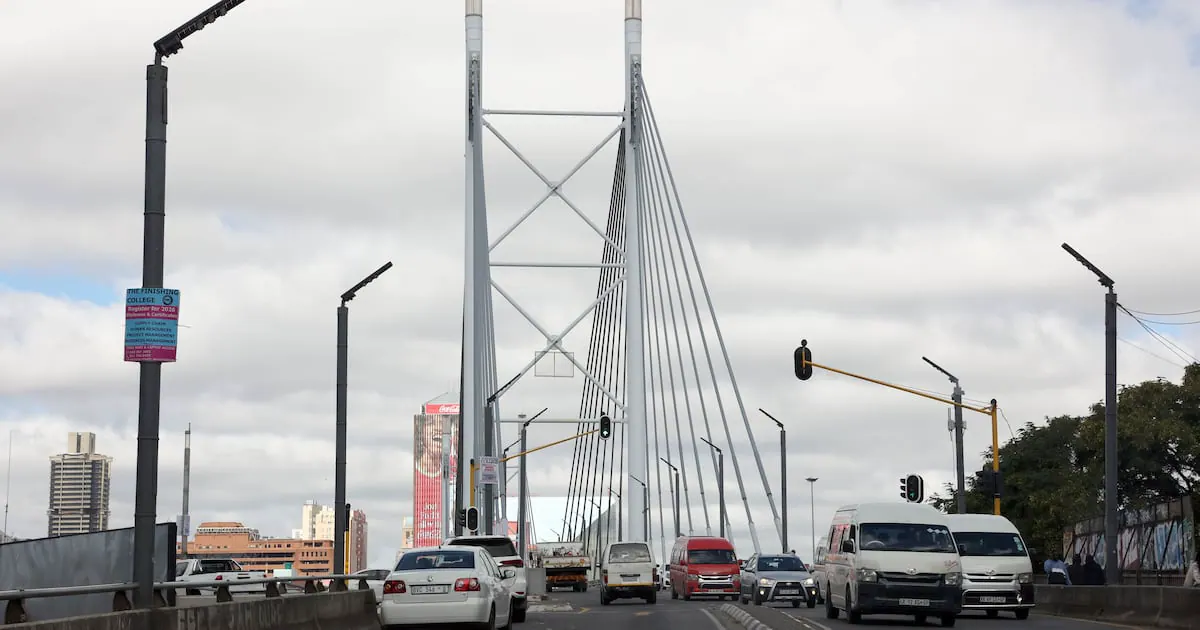
Johannesburg, a city born in 1886 from the discovery of gold on the Witwatersrand, has undergone numerous transformations over the years. From a mining camp to a major industrial and commercial hub, the city has consistently reinvented itself. Today, it is home to the Johannesburg Stock Exchange, major corporations, universities, hospitals, and a diverse range of businesses. The city's diverse population, comprising people from all corners of South Africa and the world, has contributed to its social and economic growth.
The city's people have demonstrated their capacity to change history, particularly during the struggle against apartheid. Johannesburg's townships, suburbs, factories, universities, and streets played a significant role in the fight for democracy. As a result, the city carries a remarkable inheritance of enterprise, diversity, resilience, courage, and a belief in a better tomorrow. However, this inheritance is currently under strain due to unreliable water supplies, failing infrastructure, and other service-delivery problems.
Recent reports have highlighted the severity of Johannesburg's water and service-delivery issues, warning that they have far-reaching implications for the city's residents and the broader South African economy. The city's difficulties have sparked concerns about its future, prompting citizens to demand more from their leaders. The local election presents an opportunity for residents to ask candidates about their ability to address these challenges and create a better future for the city.
The questions that need to be asked include: Can candidates keep the lights on and deliver reliable water? Can they maintain roads and infrastructure, and make streets safer? Can they manage the city's finances responsibly and create an environment conducive to business growth and job creation? Perhaps most importantly, can they govern the city without allowing divisions to overwhelm the common interests of its citizens?
Johannesburg's future is not predetermined, and its residents have the power to shape it. The city possesses extraordinary advantages, including a sophisticated financial sector, world-class businesses, and a young population. With 42% of its residents under 24 and 49% under 34, the city has an enormous opportunity to harness this demographic dividend and create a brighter future.
To achieve this, Johannesburg needs competent local government, sound financial management, and functioning institutions. It also requires investment, accountability, and citizens who refuse to accept decline as inevitable. The city's residents must stop thinking of Johannesburg as a collection of separate communities and recognize that its future is shared. The prosperity of one area is ultimately connected to the security and vitality of others.
On 4 November, Johannesburg's voters will have the opportunity to ask fundamental questions about the kind of city they want their children and grandchildren to inherit. By demanding evidence, competence, and accountability from candidates, residents can help shape a brighter future for the city. With the right leadership and collective effort, Johannesburg's greatest days can still belong to its future.
Key points
- Johannesburg's residents are urged to demand more from their leaders to address service-delivery problems and create a better future for the city.
- The city's diverse population and young demographic present opportunities for growth and development.
- Competent local government, sound financial management, and functioning institutions are crucial to Johannesburg's future success.