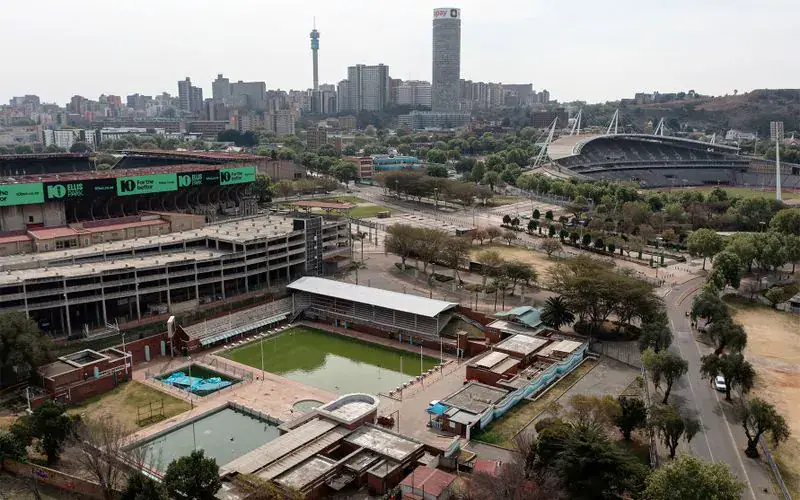
The City of Johannesburg has announced that all 57 of its municipal swimming pools will be closed by Monday, 16 November, due to a critical shortage of chlorine supplies. The closure comes just weeks after a delayed start to the swimming season, which was initially delayed by a month from 1 September to 1 October due to "compliance and maintenance issues". The City's Department of Community Development stated that it had activated emergency procurement protocols to secure new chlorine stock.
The shortage of chlorine has raised concerns about the City's planning, procurement management, and commitment to providing reliable recreational services to residents. MMC for Community Development, Thapelo Amad, had previously stated that the City had received a bulk supply of chemicals on 13 October and that 140 lifeguards and 40 cashiers had been deployed. However, barely a month later, there are not enough chemicals to keep the pools clean. The City acknowledged that the searing temperatures in the city would cause immense frustration due to the pool closures.
The closure of the pools has been met with criticism from opposition parties, with Lyrics Mazibuko, shadow MMC for Community Development, questioning the City's procurement management and commitment to providing recreational services. Mazibuko stated that the shortage of essential pool chemicals raised serious questions about the City's planning and procurement management. He also demanded accountability for the operational failures and concrete measures to be implemented to ensure that the pools reopen and remain operational for the remainder of the summer season.
The chlorine shortage has affected several swimming pools, including Sydenham Swimming Pool, which serves residents from surrounding suburbs and communities further afield. Regular swimmer and resident in the area, Hillel Shevel, stated that chlorine shortages had become an annual occurrence and that people who had offered to donate chemicals last year had been prohibited from doing so by the City. Shevel expressed concern that the pool closure would be a disaster for the community, with regular swimmers and schoolchildren who rely on the facility.
The City's Acting Director Mbulelo Bezu stated that once new chlorine supplies arrived, technical teams would immediately begin treating and testing the water to ensure it met strict public health standards. Bezu acknowledged that the closure of the pools would cause disappointment but emphasized that the health and safety of residents must come first. The City will provide daily progress updates until the pools reopen.
The closure of the pools has also highlighted a broader structural problem in the management of the City's recreational infrastructure. Mazibuko stated that municipal swimming pools, libraries, recreation centres, and sporting facilities cannot be managed through crisis response and short-term interventions. They require predictable budgets, preventive maintenance, effective procurement, and sustainable operational models.
In contrast, residents in Blairgowrie have taken matters into their own hands and fixed up their own municipal pool, which has enough chemicals to keep the pool clean. However, it is unclear whether they will be allowed to open next week due to security and overcrowding concerns. The City's Department of Community Development has not responded to questions about the situation.
Key points
- The City of Johannesburg's 57 municipal swimming pools will close due to a chlorine shortage, affecting residents who rely on the facilities for recreational activities.
- The closure has raised concerns about the City's planning, procurement management, and commitment to providing reliable recreational services to residents.
- The City has activated emergency procurement protocols to secure new chlorine stock and will provide daily progress updates until the pools reopen.