Johannesburg is in the midst of a multifaceted crisis, with business leaders describing it as a "national economic emergency". The city's finances are in a critical state, with a significant budget deficit and an inability to generate enough cash to maintain or expand infrastructure, pay suppliers, and deliver services. Unpaid consumer bills have reached nearly R72bn, a substantial increase from R15bn a decade earlier.
The city's financial woes are compounded by high employee costs, which stand at R21bn annually, and debts to suppliers, including Eskom and Rand Water, exceeding R28bn. Infrastructure investment has also declined sharply, falling by half in real terms and by 70% per resident. To address these challenges, the city must prioritize honest budgeting, based on realistic cash collections, and make difficult choices to reflect available resources.
Restoring Johannesburg's finances, rebuilding its institutions, fighting corruption, and accelerating economic growth are crucial to addressing the city's crisis. The Centre for Development and Enterprise has recommended a series of reforms aimed at achieving these goals. These include improving revenue collection through accurate billing, reliable meters, and customer records, as well as prompt dispute resolution and consistent credit control. Subsidies for poor households must also be properly funded and accounted for.
Corruption is a significant obstacle to Johannesburg's recovery, with many corrupt officials, politicians, and private firms profiting from the city's dysfunction. A reform strategy must prioritize combating corruption, with a focus on radical transparency and accountability. This includes making procurement visible at every step and increasing public scrutiny to expose inflated prices, conflicted contractors, and manipulated decisions.
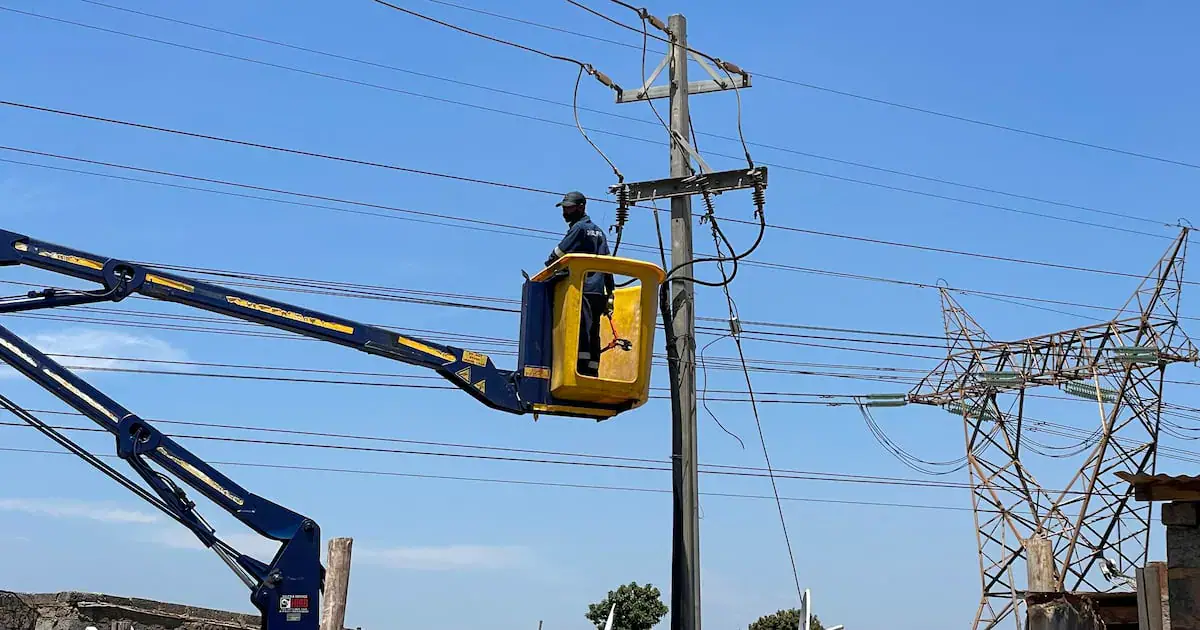
The city's utilities, including City Power and Johannesburg Water, require predictable funding for operations, maintenance, and renewal. Ring-fenced revenues, transparent transfers, and clear accountability are essential to ensuring these entities can function effectively. Johannesburg must also prioritize infrastructure maintenance, with a focus on renewing pipes, substations, roads, and other assets before they fail.
Effective governance and leadership are critical to Johannesburg's recovery. The city needs a strong mayor with the political will and capability to implement fundamental reform. The mayor should appoint a small, independent task force of business and civic leaders to develop a growth strategy, without neglecting urgent repairs. This task force should identify new opportunities, strengthen industries and firms, and propose feasible and cost-effective solutions.
Ann Bernstein, head of the Centre for Development and Enterprise, emphasizes that Johannesburg's recovery requires a comprehensive approach, addressing both immediate and long-term challenges. The city's prospects depend on raising spending on infrastructure maintenance, rebuilding institutions, and promoting economic growth. With a stable government and strong mayor, Johannesburg can overcome its current crisis and achieve a brighter future.
Key points
- Johannesburg needs a strong mayor with the political will and capability to implement fundamental reform.
- The city must prioritize combating corruption and promoting radical transparency and accountability.
- A growth strategy, developed by a small, independent task force, is essential to driving future investment, employment, and prosperity.
Reporting sources
- ANN BERNSTEIN | Joburg needs a strong mayor, stable government · The Sunday Times