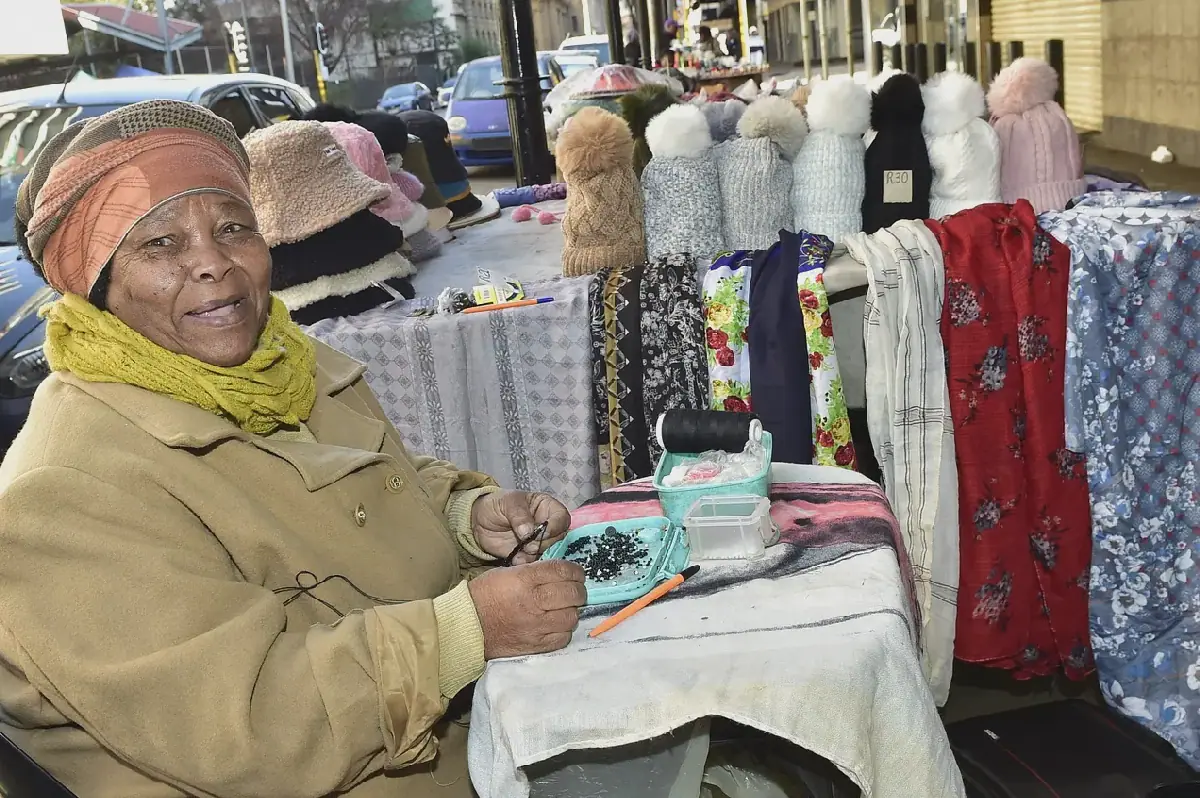
Informal traders in Johannesburg are preparing to take to the streets to protest against what they describe as relentless harassment, unlawful displacement, and systemic neglect in the Inner-City Improvement District. The march, scheduled for 19 February 2026 at 09:00, will see traders gather at Library Gardens Square before proceeding to Braam Park. The protesters are demanding that the Johannesburg Metropolitan Police Department (JMPD) immediately stop harassing traders and halt what they term illegal and criminal displacement practices.
The traders, represented by the Johannesburg Informal Traders Development Powerhouse and the Johannesburg Well of Development and Training, claim that the city has become a daily battleground where livelihoods are threatened, trading spaces are erased, and permits are delayed indefinitely. Many traders have been operating in designated spaces allocated by the City for years, but are now being removed without prior notice, consultation, or alternative arrangements. This is despite new city plans that seek to change trading areas.
Mmeshi Marokane, general secretary of the Johannesburg Well of Development and Training (JOWEDET), has lodged a formal petition against the continued ill-treatment and harassment of legally operating informal traders. Marokane stated that their members have traded in designated spaces allocated by the City for years, but are now being removed without prior notice or consultation. The traders are seeking collaboration and cooperation with the City in clarifying designated trading areas in line with the City of Johannesburg Informal Trading Policy.
According to Lulama Mali, President of JOWEDET, the traders are not resisting regulation but demanding fairness and a lawful process. Mali emphasised that the law recognises and protects the informal economy, enabling the existence of informal businesses and empowering local authorities to develop municipal informal trading by-laws. The traders are seeking to work with the City to find a solution that balances regulation with the needs of informal traders.
The traders have accused the city, working with the JMPD, of conducting removals without alternatives. They claim that their members trading on designated stands along Eloff Street and Von Brandis Street have been displaced with no alternative trading spaces provided. The city claims it is ‘re-allocating trading spaces, but the traders argue that this is not just administration; it is a threat to their livelihoods.
Supporters have been encouraged to wear black during the march, symbolising solidarity with traders whose livelihoods are under threat and families whose survival depends on the informal economy. The march is seen as a crucial moment for the traders to voice their concerns and demand action from the city. The traders are seeking a fair and lawful process for the regulation of informal trading in the city.
The protest highlights the challenges faced by informal traders in Johannesburg, who are seeking to make a living in a city that seems determined to shut them down. The outcome of the march and the city's response will be closely watched, as the traders continue to fight for their right to work with dignity.
Key points
- Informal traders in Johannesburg are marching against harassment and forced removals by the city.
- The traders are demanding an end to intimidation and restoration of their right to work with dignity.
- The protest highlights the challenges faced by informal traders in Johannesburg.