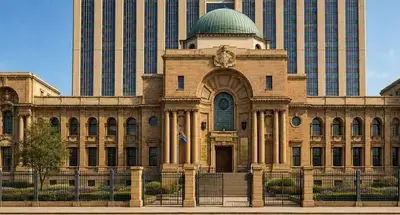
A full bench of the Johannesburg High Court, led by Gauteng Judge President Aubrey Ledwaba, recently visited the Lindela Repatriation Centre to gain insight into the practical realities of South Africa's immigration detention system. The visit aimed to inform the court's understanding before ruling on a case involving 33 undocumented foreign nationals seeking asylum. The inspection focused on the legality of detaining migrants who wish to apply for asylum.
The Lindela Repatriation Centre handles between 90 and 100 requests for detention extensions daily, placing considerable strain on its limited resources. Officials highlighted a critical issue: a shortage of interpreters. With only one interpreter for the broader West Rand area, addressing the various languages of detainees is challenging. This is particularly evident with around 30 to 40 daily applications involving Ethiopian nationals.
The centre faces frustration due to a lack of cooperation from some foreign embassies in confirming detainees' identities and nationalities. Without this verification, deportations may be stalled or impossible. Current detention laws dictate that individuals cannot be held indefinitely; once the maximum 120-day period is reached, those unable to lawfully remain must be released.
Concerns have arisen regarding the release of individuals without verified addresses, complicating efforts to trace them afterward. A legal representative noted that while efforts to improve conditions at Lindela have been acknowledged, significant issues surrounding capacity and resources reveal deeper problems within the country's immigration and refugee management systems.
These developments occur amidst ongoing legal ambiguities following the Constitutional Court's July ruling in Scalabrini Centre of Cape Town v Minister of Home Affairs. The ruling examined barriers hindering irregular migrants from accessing the asylum process. Subsequent Johannesburg High Court cases have offered differing interpretations of the impact on those already in detention.
The current proceedings concerning the 33 applicants are expected to shed further light on the legal landscape. The inspection underscores that challenges extend beyond legislative frameworks; South Africa must effectively balance immigration enforcement with its obligations to protect those seeking refuge. For detainees at Lindela, administrative delays, insufficient interpretation services, and identity verification issues can lead to severe consequences.
The court has reserved its judgment, which could significantly influence how the state manages immigration detention while upholding the right to seek asylum amidst administrative shortcomings. The eventual decision will likely have far-reaching implications for South Africa's immigration and refugee management systems, potentially leading to necessary reforms to address the highlighted challenges.
Key points
- The Johannesburg High Court's inspection of the Lindela Repatriation Centre revealed significant operational issues, including a shortage of interpreters and lack of cooperation from foreign embassies.
Reporting sources
- Lindela Visit Highlights Strain on South Africa’s Immigration Detention System · sierraleonetoday.co.com