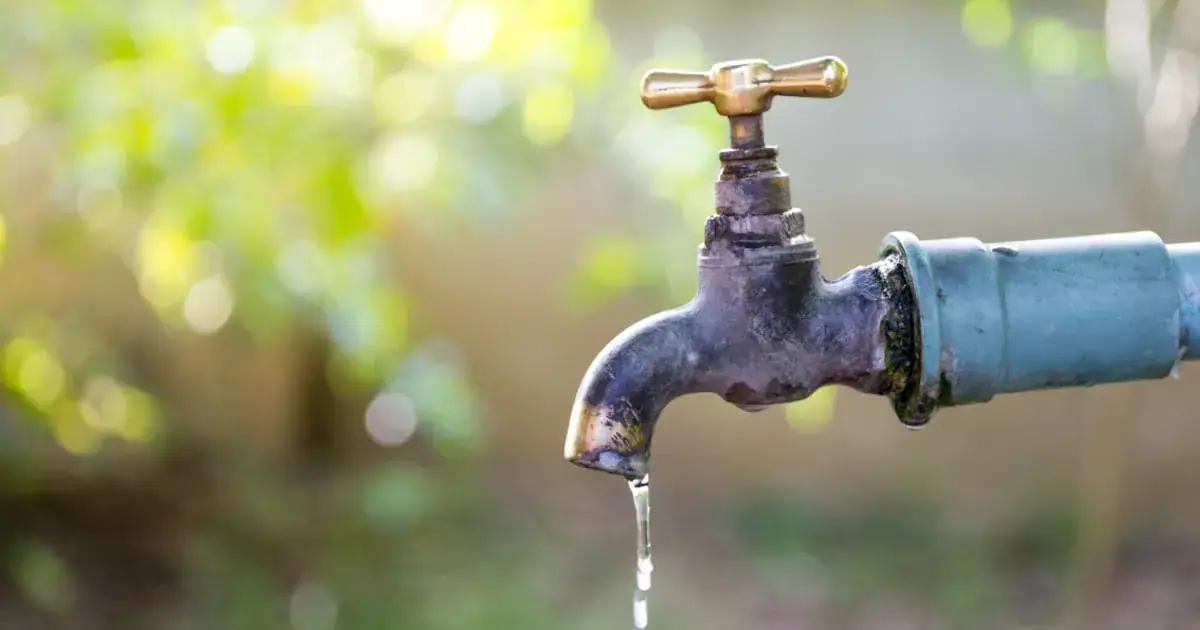
The City of Johannesburg will implement level 2 water restrictions and higher residential water tariffs from December 1. This move aims to protect the municipality's water supply system and prevent reservoir depletion. The city's current water consumption stands at 1,709-million litres a day, exceeding its bulk supply allocation by about 185-million litres.
Despite receiving 27% more water from Rand Water, heavy demand has reduced municipal storage reserves to just eight hours, well below the required 24-hour safety buffer. This pressure on the network has resulted in intermittent water supply in some areas. The restrictions follow a directive from the Gauteng department of co-operative governance and traditional affairs.
Under level 2 restrictions, residents may not use municipal drinking water for irrigation, hosing down driveways, or dampening building sand. The Johannesburg Metropolitan Police Department will enforce these restrictions. Residents and businesses are urged to play a vital role in preventing a water supply crisis by respecting the level 2 water-use restrictions.
The city will introduce stepped residential water tariffs, with higher consumption attracting higher rates per kilolitre. The tariff adjustment applies to household and multi-dwelling residential accounts. Commercial, industrial, and non-residential customers are excluded from the residential tariff changes but must comply with the water-use restrictions.
The tariff increase is not a flat 20% increase on every household's water bill. Instead, water is billed progressively, with customers paying different rates for different consumption bands. Under the normal residential tariff, the first 6,000 litres a month are free. From December, this band will cost R7.80 per kilolitre.
Households using 10,000 litres a month will pay R196.72, compared with R134.28 under the normal tariff, an increase of R62.44. Qualifying registered indigent and Expanded Social Package households will continue to receive their approved free basic water relief. The city will also stop using drinking water for municipal purposes and use treated effluent instead.
Johannesburg Water is accelerating leak and burst-pipe repairs, installing smart pressure-reducing valves, and deploying acoustic noise loggers to detect underground leaks. The utility will restrict high-usage bulk water meters and introduce 20% zone-meter flow reductions in areas using deemed-consumption and prepaid meters.
Key points
- The City of Johannesburg battles high water consumption and dwindling reservoir levels.
- Level 2 water restrictions and higher residential water tariffs will be implemented from December 1.
- Residents are urged to play a vital role in preventing a water supply crisis by respecting the level 2 water-use restrictions.