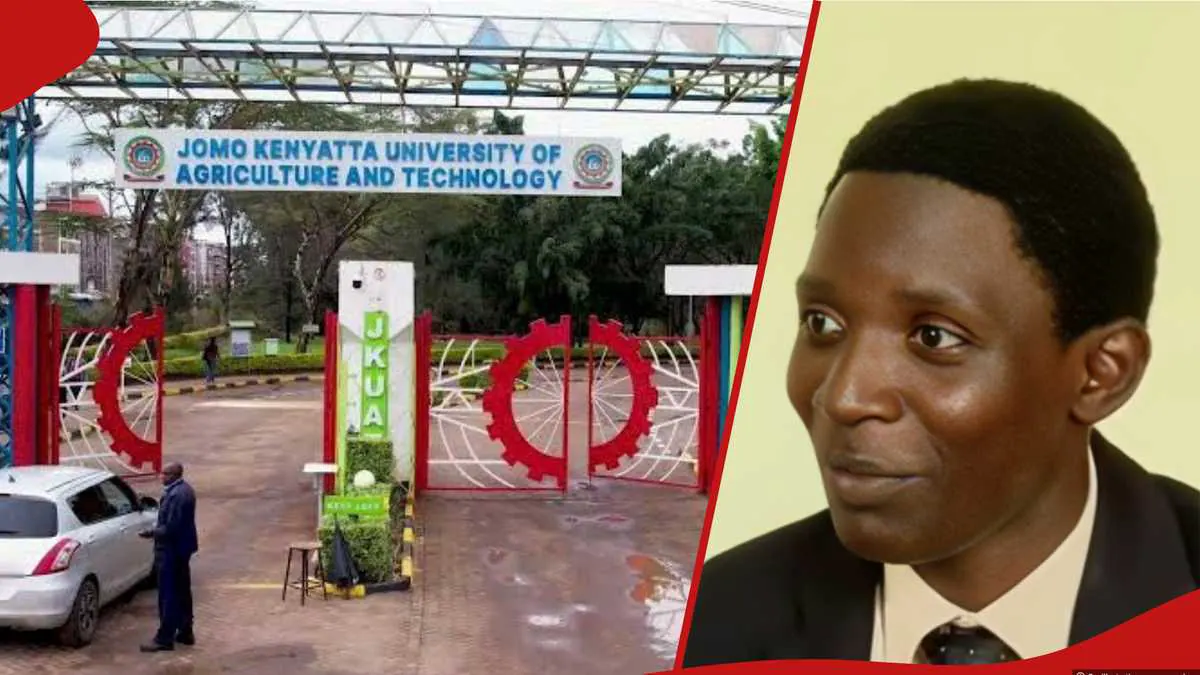
Moses Nyanduga, a student at Jomo Kenyatta University of Agriculture and Technology (JKUAT), joined the institution in 2021 to pursue a four-year Bachelor of Science in Agriculture degree. However, due to a series of lecturers' strikes, his graduation has been delayed, and he is now in his fifth and a half year of study. The strikes have disrupted his academic calendar at least three times, causing a semester scheduled to end in December 2024 to wrap up in March 2025.
The lecturers' strikes have had a significant impact on Moses' life, causing him financial pressure and emotional strain. He has had to adopt a survival strategy, which he calls "010," shorthand for one meal a day, due to the financial constraints caused by the strikes. The accumulating rent and food costs during the strikes have forced him to spend more money, even when no teaching is happening. For instance, during a two-month strike, he had to pay for two months' extra rent and food.
Moses was expecting to graduate in June, but with supplementary exams yet to be confirmed due to the ongoing disruptions, his graduation date has shifted to December. If the October special exams do not go ahead, he could be looking at yet another year on campus. The delay has caused Moses to worry about his life and compare his situation to that of his peers who attended private universities and are already employed.
The emotional weight of the delayed graduation is taking a toll on Moses. He feels like he is wasting his time and is concerned about his future. He stops short of blaming lecturers entirely, acknowledging that the industrial action reflects genuine grievances. However, he insists that students are being forgotten in the standoff between universities and academic staff.
Moses warned that students may soon join lecturers on strike as the prolonged delays erode their mental wellbeing and finances. He believes that it is not only the lecturers who are suffering during this period but also the students and their parents. The situation is becoming increasingly difficult for Moses and his fellow students, who are struggling to cope with the disruptions.
The lecturers' strikes at JKUAT are not an isolated incident, as universities in Kenya have experienced industrial action in recent years. The strikes have been caused by disagreements between lecturers and university administrators over issues such as salaries, promotions, and working conditions. The impact of the strikes on students has been significant, with many facing delayed graduations and increased financial burdens.
Moses' story highlights the challenges faced by students in Kenyan universities due to lecturers' strikes. His situation serves as a reminder of the need for a resolution to the industrial action to ensure that students can complete their studies without further disruptions. The university administration and lecturers must work together to find a solution that prioritizes the welfare and education of students like Moses.
Key points
- A JKUAT student's graduation has been delayed by lecturers' strikes, causing financial and emotional strain.
- The strikes have disrupted the academic calendar, causing a semester to wrap up three months later than scheduled.
- Students may soon join lecturers on strike due to prolonged delays eroding their mental wellbeing and finances.