Jewish summer camps in South Africa have been instrumental in bringing together young people, forming lasting connections that have developed into marriages and families. For some South African Jewish couples, the most important person they ever met was assigned to the same activity group, singing around a bonfire, or arriving at a summer camp from another city. These chance encounters have led to decades-long relationships, marriages, and lives shaped by shared memories of Jewish youth movements.
Janet Gelgor met her husband, Sion, at a Jewish summer camp in 1988. Gelgor was 16 and from Cape Town, while Sion was 19 and from Johannesburg. A mutual friend introduced them, and they enjoyed chatting. One of her favourite memories is talking with him late at night around the campfire. The relationship didn’t immediately develop into a romance, but they stayed in touch, and fate apparently had other plans. They kept encountering each other unexpectedly, including at a supermarket in Cape Town and later at an airport.
Gelgor and Sion’s relationship is an example of the concept of "bashert," or destined, which they believe applies to their relationship. They have now been happily married for 27 years and have three sons, Erez, 25, Liad, 23, and Amir, 19. Their children know the story of how their parents met, and Gelgor said meeting at a Jewish youth camp gave them a foundation of shared Jewish values. She and Sion also became shomrei Shabbos, observing the Sabbath, a commitment for which they are grateful.
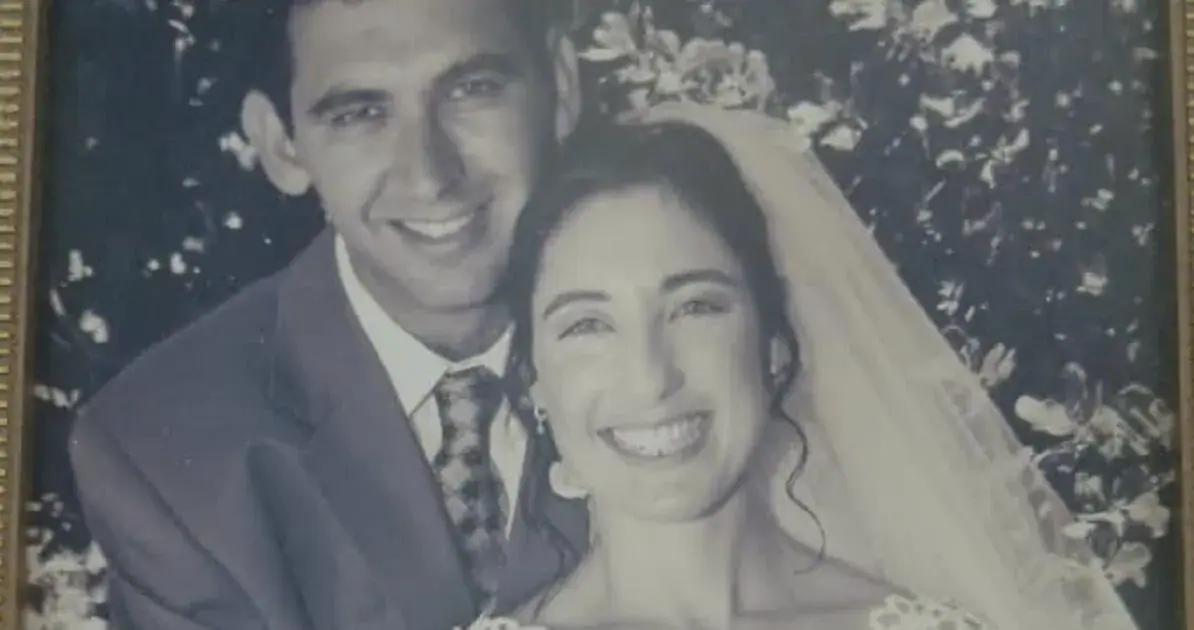
Kelli and Benji Lunsky are another couple who met through Jewish summer camps. They met through Habonim when they were teenagers, and both were already involved in its leadership. Lunsky, from Cape Town, was a year older than Benji, who was from Johannesburg. They spent six months chatting by phone and email before getting together at the end of that year. The couple married on the Habonim campsite in 2009 because the movement had been such a significant part of their lives.
The Lunskys remain involved in Habonim, with their children attending camp and the couple working as staff. Ros Halliday’s story, meanwhile, began with an unexpected attraction at camp. She was 17 and attending her fifth camp when she met André, who was four years older and from Durban. He had come to the camp to work as a lifeguard, and Halliday remembers being immediately attracted to him when he addressed the campers in Hebrew.
Halliday and André’s relationship faced challenges, including differences in their religious backgrounds. André wasn’t Jewish, and Halliday said her family initially struggled with the prospect of their marrying. However, the two were together for 36 years before André’s passing. Halliday said their relationship wasn’t without difficulties, but she considered it a good one. Their children were exposed to a Jewish upbringing, with all three having been to Israel and two attending Jewish summer camps.
For all three women, camp offered more than a summer away. Whether through a chance reunion, a shared commitment to a youth movement, or an unexpected first attraction, their relationships began in a setting where Jewish identity and community were already part of the experience. Years later, the memories of those early days remain part of the stories they tell about the lives they built together, highlighting the lasting impact of Jewish summer camps on South African couples.
Key points
- Jewish summer camps in South Africa have led to lasting connections and marriages among young people.
- The concept of "bashert" or destined is reflected in the relationships of some couples who met at Jewish summer camps.
- Jewish summer camps provide a foundation for shared Jewish values and community, which can contribute to the success of relationships and marriages.
Reporting sources
- They found their bashert at machaneh · Jewish Report