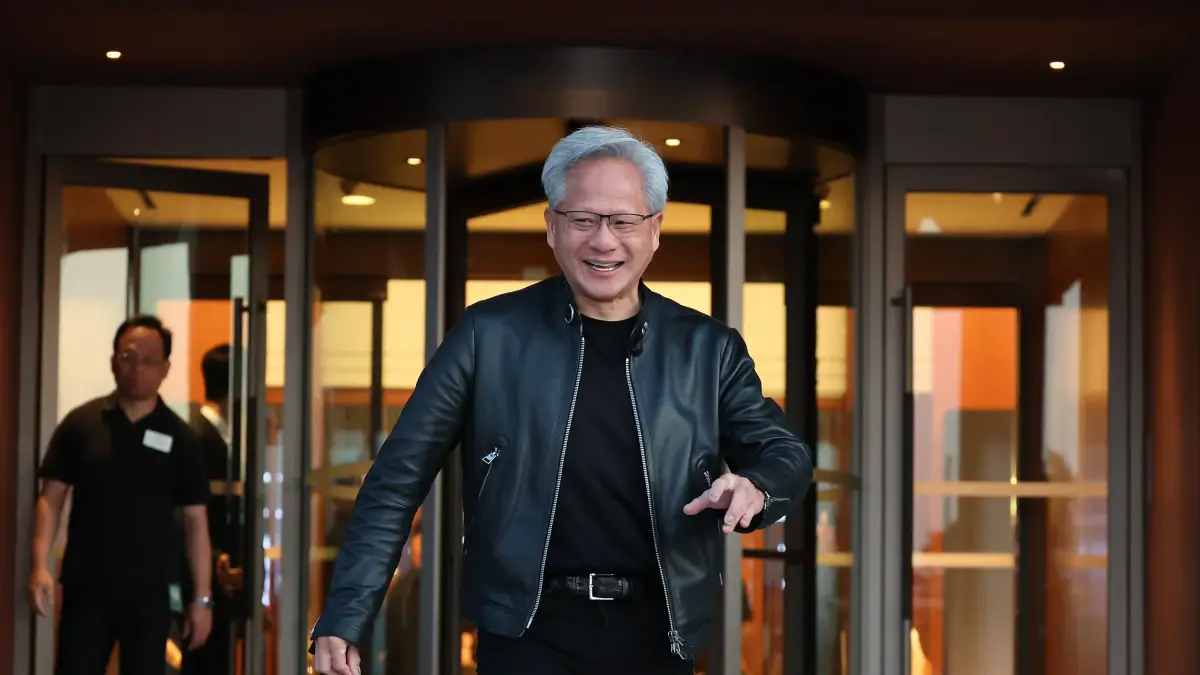
The recent decision by Nvidia's board to reinstate co-founder Jensen Huang as CEO has sparked shock and disbelief among workplace culture advocates, including Bo Young Lee, former chief diversity officer at Uber. Lee describes Huang's return as "unfathomable," particularly given allegations of an extramarital affair with a woman believed to be a Chinese intelligence asset. This move has raised concerns about the company's commitment to addressing workplace misconduct.
The allegations against Huang include an affair with Kimberly Powell, Nvidia's vice president of healthcare, one of Huang's direct reports. Lee argues that the power differential between Huang and Powell makes it impossible for Powell to properly consent to the relationship. Despite Nvidia's board finding Huang's behavior "inconsistent" with the company's code of conduct, the board voted unanimously to reinstate him after a series of discussions.
The decision to reinstate Huang has been met with concern from women in Silicon Valley, who fear it sends a message that it's acceptable to break the rules as long as you are transparent about it. Freada Kapor Klein, a social impact investor, notes that conversations about workplace behavior are much quieter than they were in 2017 and 2018, when several venture capitalists resigned amid allegations of harassment.
Kapor Klein believes that "tech bro culture" is stronger now than she has seen it in decades, and that Trump's attacks on diversity, equity, and inclusion (DEI) have amplified this culture. She notes that women and people of color in Silicon Valley are now fearful of the anti-DEI sentiment, which has led to the elimination of programs, chief diversity officers, and employee resource groups.
The swift comeback of Huang has also raised concerns about the prioritization of profit over accountability. Kapor Klein argues that the message being sent is that "all that matters is money," and that CEOs can violate corporate policy and create toxic workplace cultures as long as they generate revenue.
Lee believes that Silicon Valley has an unhealthy relationship with its "genius founders," often elevating them to god-like levels and making them untouchable. She argues that this culture of deference has contributed to the lack of accountability for Huang's behavior.
The reinstatement of Huang as CEO has also sparked concerns about the need for guardrails on CEO behavior, particularly in AI companies. Kapor Klein notes that the lack of accountability for Huang's actions has made it clear that AI companies need to establish clear guidelines for CEO behavior to prevent similar situations in the future.
Key points
- Nvidia's board reinstates Jensen Huang as CEO despite allegations of problematic workplace behavior.
- The decision sparks concerns about the company's commitment to addressing workplace misconduct and the prioritization of profit over accountability.
- The move has also raised concerns about the need for guardrails on CEO behavior, particularly in AI companies.