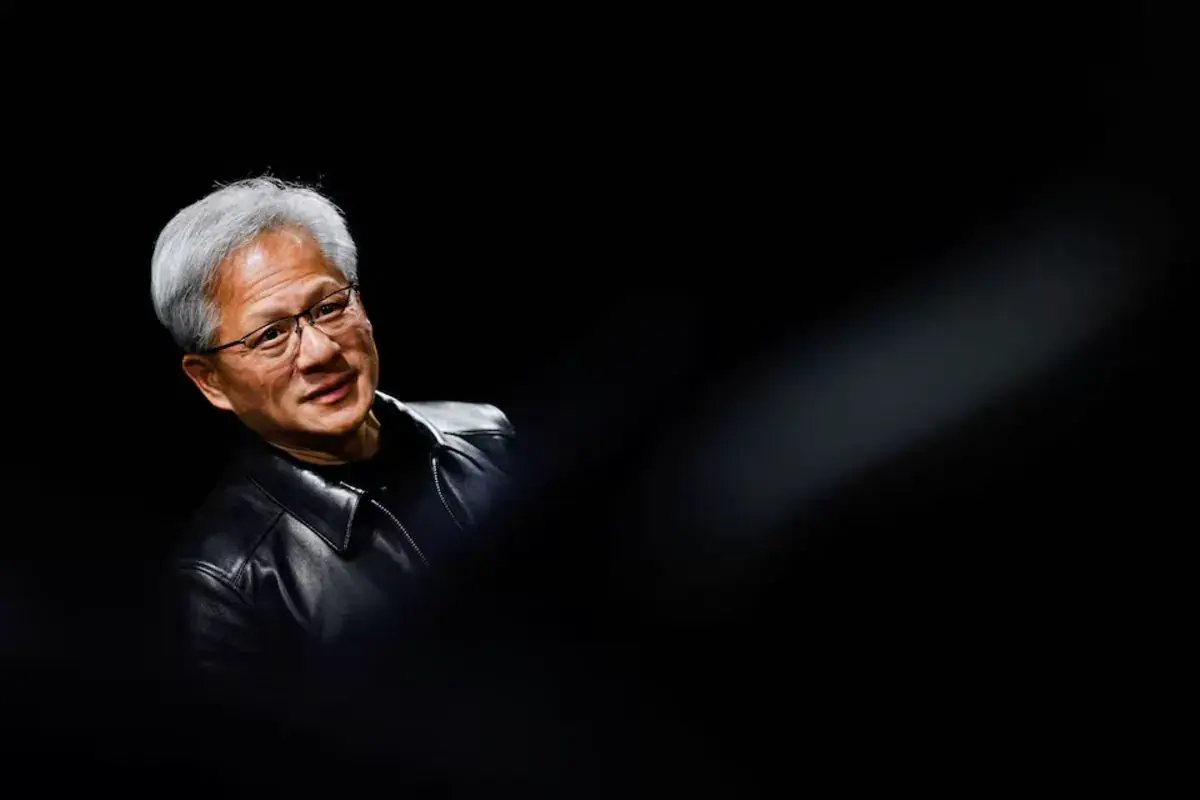
Jensen Huang, co-founder and CEO of Nvidia, has made a triumphant return to the company's Santa Clara, California headquarters, less than two weeks after resigning amid revelations of extramarital affairs. Huang, 63, clad in his trademark black leather jacket, addressed cheering employees who packed an atrium and crowded the balconies above. He expressed his determination to be a better CEO the second time around.
US President Donald Trump played a key role in Huang's comeback, praising him and calling him a genius. Fellow tech icon Elon Musk also hailed Huang's return. As a result, Nvidia shares surged 31.5%, contributing to a broader Wall Street rally. Huang's swift reinstatement has raised questions about the risks associated with Nvidia's dependence on him and the company's investments in AI startups.
Huang's influence extends beyond his role as Nvidia's CEO, with a significant sway over Washington, markets, the AI industry, and geopolitics. He has cultivated relationships with lawmakers, partners, customers, and suppliers worldwide, bankrolling the industry's massive buildout. Huang's role is critical to the AI boom, with billionaires like Oracle Chairman Larry Ellison and Musk seeking his graphics processing units.
Huang's management style is hands-on, with nearly 60 direct reports, mostly in engineering roles. He personally delves into problems at Nvidia and oversees various aspects of the company. Huang has also been involved in fundraising calls for startups Nvidia has invested in, helping them secure customers and attract investors.
Huang's return has raised concerns about corporate governance and the risks associated with a CEO being considered irreplaceable. US lawmakers from both parties objected to his reinstatement, but Trump's support helped facilitate his comeback. Corporate governance and ethics professor Nada Kakabadse noted that when a CEO is too big to fire, the board's job is to fence him in.
Huang's exit had raised questions about the future of the AI ecosystem and companies like CoreWeave and Nebius, which rely on Nvidia's chips. However, their stocks surged on Monday, indicating a rebound in investor confidence. Analyst Bill Gunderson noted that Huang's departure had caused significant disruption, but his return has restored stability.
As Nvidia's fifth-largest shareholder with a roughly 3.6% stake, Huang's influence on the company's direction is significant. His comeback has reinforced the idea that some tech CEOs are considered irreplaceable, posing a risk to companies critical to the AI industry. Huang's leadership style and influence will continue to shape Nvidia's role in the AI boom.
Key points
- Jensen Huang's return as Nvidia CEO has significant implications for the AI industry and corporate governance.
- Huang's influence extends beyond his role as CEO, with a significant sway over Washington, markets, and geopolitics.
- The risks associated with Nvidia's dependence on Huang and the company's investments in AI startups have raised concerns among investors and lawmakers.