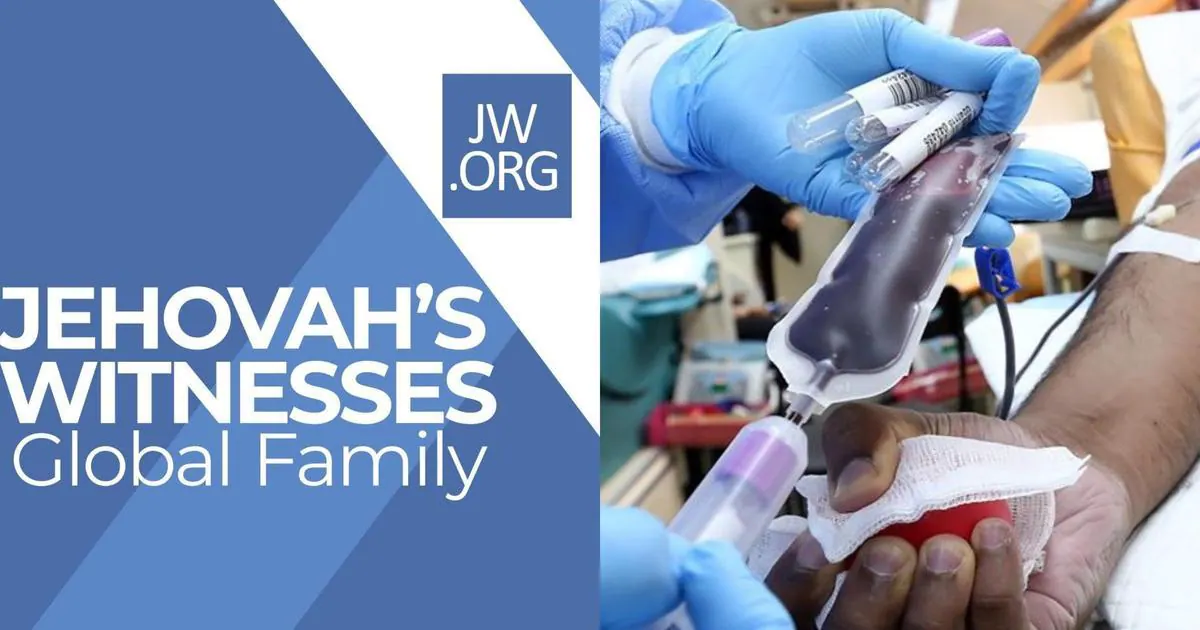
The Governing Body of Jehovah's Witnesses has announced a significant change to its guidance on blood transfusions. As of September 18, 2026, individual members can decide whether to accept four major blood components from another person during medical treatment. These components include red blood cells, white blood cells, plasma, and platelets. This change allows members to make personal decisions based on their conscience and relationship with God.
The organisation has emphasised that its longstanding prohibition against transfusions of whole blood remains unchanged. This position is based on its interpretation of the biblical instruction to "abstain from blood". Paul Gillies, international spokesman for Jehovah's Witnesses, stated that medical decisions involving the four principal blood components are now matters for individual members to determine in accordance with their personal conscience.
The change extends the principle of individual conscience to the four major blood components, which was previously applied to certain blood fractions and decisions involving a patient's own blood. Local congregations will not become involved in these personal medical decisions. Members are responsible for determining whether accepting or donating the specified blood components is consistent with their conscience and religious convictions.
This announcement follows another significant adjustment made earlier in 2026. In March, Jehovah's Witnesses announced that members could personally decide whether to have their own blood collected, stored, and subsequently returned during medical or surgical procedures. The organisation explained that the Bible does not specifically address such medical arrangements, and therefore treated the decision as one for individual conscience.
The September decision only applies to blood obtained from another person, and only in relation to the four principal components identified by the organisation. The prohibition on transfusing whole blood remains in place. This distinction is important because whole blood consists of several major components, including red blood cells, white blood cells, plasma, and platelets.
Jehovah's Witnesses have reiterated that they seek medical treatment and do not rely on faith healing. Members are encouraged to seek appropriate medical care from qualified health professionals while communicating their personal religious preferences concerning blood and medical treatment. The organisation's revised position has attracted considerable attention due to the longstanding medical and ethical questions surrounding Jehovah's Witnesses and blood transfusions.
The change permits members to make individual decisions concerning the use of red cells, white cells, plasma, and platelets. The organisation maintains a worldwide presence, with over nine million members across more than 200 countries and territories. The latest policy adjustment therefore has implications for members and medical professionals dealing with blood-related treatment decisions across a wide range of jurisdictions.
Key points
- Individual Jehovah's Witnesses can now decide whether to accept four major blood components from another person during medical treatment.
- The organisation's longstanding prohibition against transfusions of whole blood remains unchanged.
- The change allows members to make personal decisions based on their conscience and relationship with God.