The Jehovah's Witnesses church has given individual members the choice to accept or donate four main blood components, while maintaining its prohibition on whole-blood transfusions. This change, announced by the Governing Body of Jehovah’s Witnesses on September 18, 2026, allows members to decide whether to accept or donate red blood cells, white blood cells, plasma, and platelets. The decision applies globally, including in Eswatini, where the organisation has a significant presence.
Eswatini has made progress in blood collection, but the country continues to face seasonal shortages and needs a larger pool of regular voluntary donors. The development could have implications for healthcare workers treating Jehovah’s Witnesses patients, particularly where treatment requires blood components. Previously, healthcare workers dealing with Witness patients who declined blood transfusions had to consider the patient’s religious position when determining treatment options.
The change will affect thousands of Jehovah’s Witnesses in Eswatini, where the organisation recorded a peak of 3,519 publishers during the 2025 service year. The organisation reported an average of 3,431 publishers, with 74 congregations operating across the country. A total of 8,902 people attended the organisation’s annual Memorial during the year. This figure refers to active members involved in preaching and should not be interpreted as the total membership of Jehovah’s Witnesses in Eswatini.
The development was welcomed by South Africa’s Minister of Health, Dr. Aaron Motsoaledi, who described the development as a ‘giant leap’. He said Jehovah’s Witnesses’ previous position had sometimes created difficulties for healthcare workers, particularly when blood transfusions were considered necessary in emergency or critical-care situations. The minister noted that doctors had, in some cases, been required to approach the courts when children needed blood transfusions but their parents objected on religious grounds.
The South African Department of Health noted that whole blood is rarely used for ordinary transfusions, as modern medical practice generally involves the use of specific blood components. Jehovah’s Witnesses can now personally decide whether to accept these components from another person. They can also personally decide whether to donate blood for the purpose of providing these components or fractions to another person.
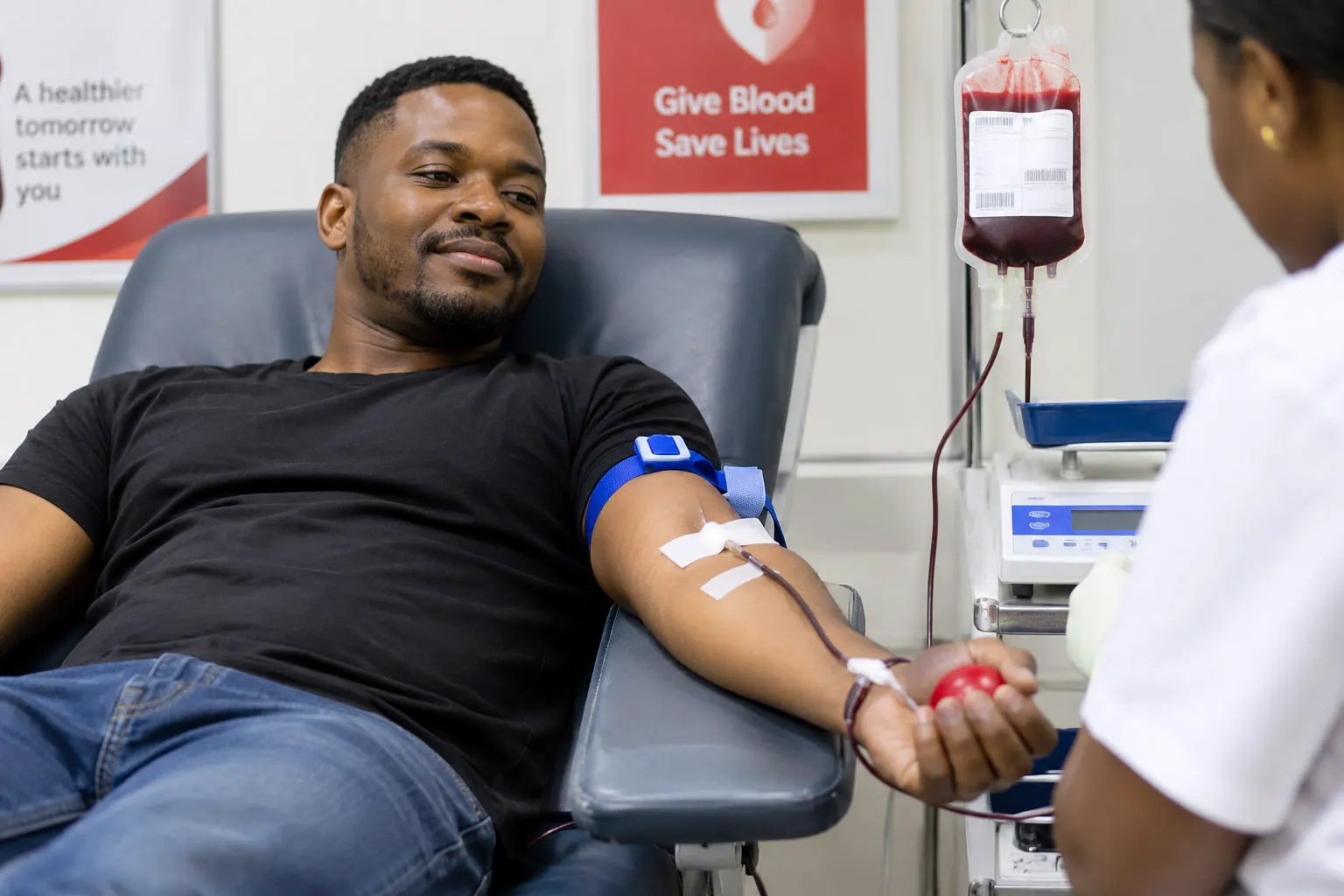
The organisation has stressed that these are matters of individual conscience, and the position on whole blood has not changed. Jehovah’s Witnesses can now personally decide whether to donate blood where the purpose is to provide blood components or fractions for another person. This could potentially expand the pool of people who are willing to donate blood components, including in countries such as Eswatini.
For Eswatini, the development comes at a time when blood availability remains an important issue for the healthcare system, particularly for patients requiring blood and blood components during emergencies, surgery, and treatment of serious medical conditions. The new position could therefore have implications beyond Jehovah’s Witness patients themselves if some members choose to donate blood for the production of components used to treat other patients.
Key points
- The Jehovah's Witnesses church has given individual members the choice to accept or donate four main blood components.
- The decision applies globally, including in Eswatini, where the organisation has a significant presence.
- The development could potentially expand the pool of people who are willing to donate blood components in Eswatini.