On May 7, 1948, a couple, Louis and Marie Hemery, were victims of a break-in at their home in La-Plaine-sur-Mer, Loire-Atlantique. The intruders beat them up, stole their belongings, and fled, leaving Louis Hemery to die from his injuries. The police investigation, led by Lieutenant Villard, was botched, and Jean Deshayes, a 36-year-old docker from Nantes, was mistakenly identified as the culprit.
The investigation was marred by a series of missteps, including the interrogation of hundreds of suspects and a flawed identification process. Francis Chauvin, an escaped convict, accused Marcel Guégen, who had a solid alibi, and Jean Deshayes of committing the crime. Deshayes was arrested and, after three days of intense questioning, he confessed to the crime, despite having a solid alibi and no concrete evidence linking him to the scene.
On December 9, 1949, Jean Deshayes was tried and convicted by the Nantes Assizes Court and sentenced to 10 years in prison. However, his lawyer, Maître Le Mappian, argued that Deshayes' confession was coerced and that he had been subjected to physical abuse during interrogation. Despite these claims, the court found Deshayes guilty, and he was sent to prison.
Four years later, in 1953, a chance encounter in a Parisian bar led to a new investigation into the case. Two detectives, Inspector Godeau and Hamon, overheard a conversation between two women, one of whom mentioned the names of Dutoy and Pruvost in connection with the Hemery murder. Further investigation revealed that the true culprits were Roger Dutoy, Raymond Pruvost, and Georgette Petit, who were arrested and convicted of the crime in 1954.
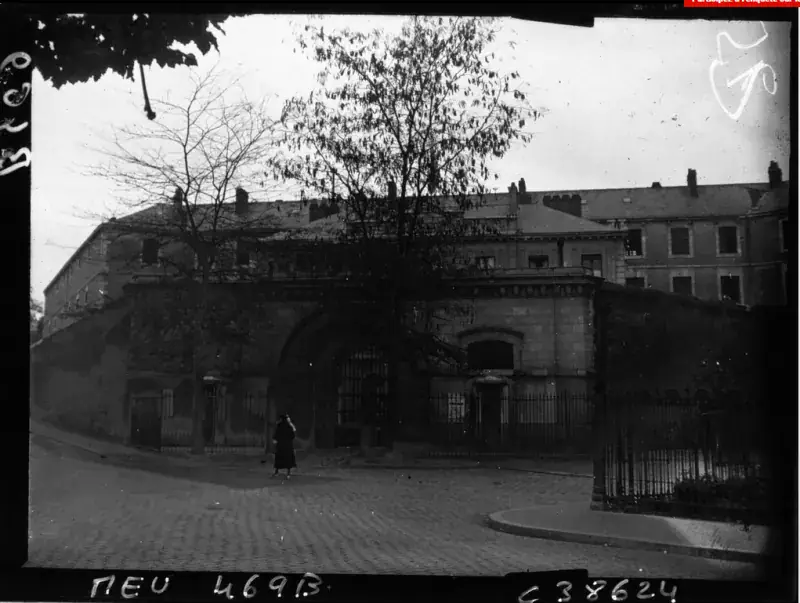
Meanwhile, Jean Deshayes was serving his sentence in Poissy prison, unaware that new evidence had come to light that cleared his name. According to reports, Deshayes had been submissive and quiet during his imprisonment, hoping for an early release. However, his conviction was eventually overturned, and he was exonerated of the crime.
The case highlights the risk of miscarriages of justice and the importance of thorough investigations. In 1954, the real perpetrators of the Hemery murder were brought to justice, and Deshayes' name was finally cleared. The incident serves as a reminder of the need for diligence and scrutiny in police investigations to prevent wrongful convictions.
Jean Deshayes' case is a notable example of a wrongful conviction in France, and it underscores the importance of protecting human rights and ensuring that justice is served. The incident also raises questions about the reliability of eyewitness testimony and the potential for coercive interrogation techniques to elicit false confessions.
Key points
- Jean Deshayes was wrongly convicted of murder and robbery in 1948 and served several years in prison before being exonerated.
- The real perpetrators of the crime, Roger Dutoy, Raymond Pruvost, and Georgette Petit, were arrested and convicted in 1954.
- The case highlights the risk of miscarriages of justice and the importance of thorough investigations.