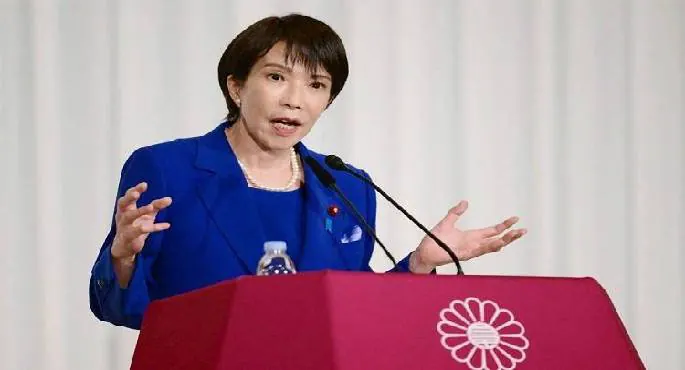
Japanese Prime Minister Sanai Takaychi addressed the 81st session of the UN General Assembly in New York, expressing her deep concern about the rising tensions in the Middle East. She described the situation as having become "volatile" and warned of the potential risks to global trade and energy security. Takaychi emphasized the importance of maintaining navigation freedom in the Strait of Hormuz, a critical waterway for international commerce and energy supplies.
Takaychi highlighted the potential consequences of the tensions on global citizens, particularly in terms of rising prices. She stressed Japan's commitment to its responsibilities within the United Nations and the need for international cooperation to address the challenges facing the world. The Prime Minister also underscored the importance of collaboration with African countries, aiming to transform the continent into a hub for growth and prosperity through development support and economic partnerships.
The Japanese Prime Minister's comments come amid rising concerns about the impact of the Middle East tensions on the global economy. The Strait of Hormuz, a vital shipping lane, has become a focal point of the tensions, with worries about the security of oil supplies and the potential for disruptions to global trade. Takaychi's address to the UN General Assembly reflects Japan's concerns about the situation and its commitment to working with the international community to address the challenges.
Takaychi's emphasis on cooperation with African countries reflects Japan's broader strategy to strengthen ties with the continent. The goal is to support Africa's development and create new opportunities for economic growth and partnership. This approach is seen as crucial for promoting regional stability and prosperity, as well as addressing global challenges.
The situation in the Middle East remains volatile, with concerns about the potential for further escalation and the impact on global security. The international community, including Japan, is closely watching the developments and seeking ways to address the challenges and promote stability in the region. Takaychi's address to the UN General Assembly highlights the need for continued international cooperation and dialogue.
Japan's commitment to its responsibilities within the United Nations reflects its role as a key player in international diplomacy. The country's efforts to promote cooperation and address global challenges are seen as essential for maintaining regional and global stability. Takaychi's comments about the Middle East tensions and Japan's approach to addressing them reflect the country's proactive engagement with the international community.
The international community continues to monitor the situation in the Middle East closely, with concerns about the potential for further escalation and the impact on global security. Japan's Prime Minister Sanai Takaychi has emphasized the need for international cooperation and dialogue to address the challenges and promote stability in the region. Her comments at the UN General Assembly reflect Japan's commitment to working with the international community to address the complex issues facing the world.
Key points
- Japan's Prime Minister Sanai Takaychi expresses concern about the escalating tensions in the Middle East and their impact on regional and global stability at the UN General Assembly.