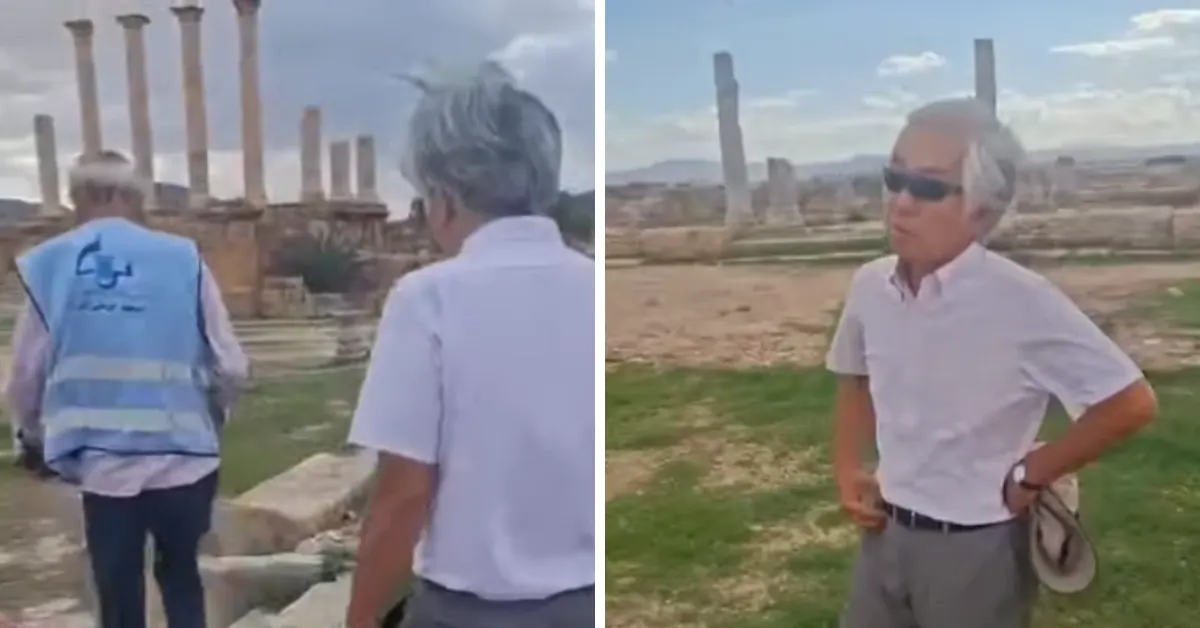
The Japanese ambassador to Tunisia recently paid a visit to the archaeological site of Thuburbo Majus in the town of Fahs, Zaghouan governorate. This official visit is part of efforts to highlight the cultural heritage of the region and promote tourism development. According to a statement by a local official, the ambassador expressed his admiration for the site's historical significance and its potential to boost the local economy.
The visit was welcomed by local authorities, including a representative from the Zaghouan regional council and a member of the Fahs local council. They emphasized that this visit is the first of its kind by a Japanese ambassador to the site, underscoring its importance. The local official, Maaz Ben Mkhlof, noted that the visit aims to promote the site's historical value and raise awareness about its significance at the national level.
Thuburbo Majus is considered one of Tunisia's most important archaeological sites, ranked third nationally. The site is renowned for its well-preserved ancient Roman ruins, which date back to the 2nd century AD. Its strategic location makes it a vital intersection point, capable of generating economic growth and creating jobs.
During the visit, the Japanese ambassador expressed his interest in organizing future visits and exploring practical ways to promote the site's cultural heritage. The local authorities highlighted the site's potential to stimulate tourism and create economic opportunities for the region. They also emphasized the importance of preserving the site's historical significance for future generations.
The Zaghouan region has been working to develop its tourism sector, with a focus on promoting its rich cultural heritage. The visit by the Japanese ambassador is seen as a positive step towards achieving this goal. The region's authorities are optimistic about the potential for increased tourism and economic growth.
Thuburbo Majus is an archaeological site that offers a glimpse into Tunisia's rich history. Its ruins include a range of ancient structures, including temples, theaters, and forums. The site is a testament to the country's cultural diversity and its significance in the ancient world.
The visit by the Japanese ambassador to Thuburbo Majus highlights the importance of cultural exchange and cooperation. It also underscores the potential for tourism development in Tunisia's Zaghouan region. The site's preservation and promotion are crucial for the region's economic growth and cultural heritage.
Key points
- The Japanese ambassador's visit to Thuburbo Majus aims to promote the site's cultural significance and explore opportunities for tourism development.
- Thuburbo Majus is one of Tunisia's most important archaeological sites, ranked third nationally.
- The site has the potential to stimulate economic growth and create jobs in the region.