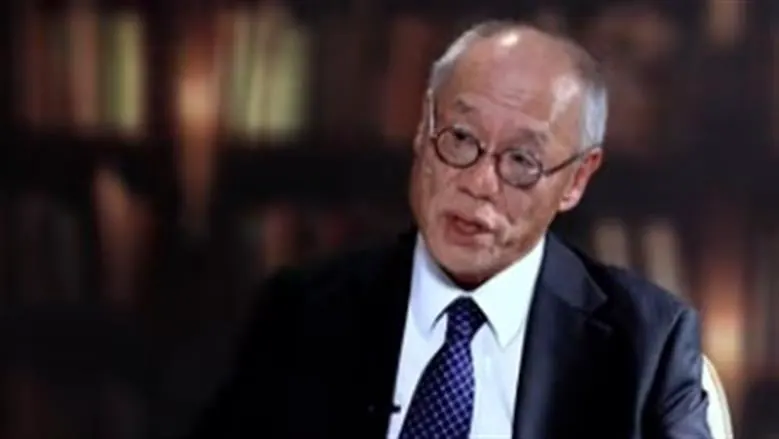
Japanese Ambassador to Egypt, Iway Fumio, has highlighted the areas of cooperation between Japan and Egypt. In a recent interview, he stated that Japan follows a development cooperation policy with each country, including Egypt, prepared in close consultation with the host government. This policy focuses on four main areas: sustainable economic development, social inclusion, human capital development, and regional stability.
The Japanese Ambassador emphasized that infrastructure projects, healthcare, and education are among the top priorities for cooperation. He noted that the education sector is one of the existing areas of cooperation between the two countries. The fourth line of the Cairo metro, a major infrastructure project, will be a key area of Japanese cooperation in the coming years. Once completed, it will connect the city of October 6 to the new capital.
The fourth line of the Cairo metro will be the longest metro line in Africa. Iway Fumio expressed his satisfaction with the cooperation between the Japanese and Egyptian authorities in implementing the comprehensive health insurance system. The system will be introduced and implemented in six phases by 2030, with Japan, along with other donors, being a major contributor to this effort, both financially and technically.
Iway Fumio stated that the Japanese business sector is currently interested in two main areas in Egypt: manufacturing and energy, particularly renewable energy. The Suez Canal Economic Zone is a good initiative to attract foreign investments, with several Japanese companies already operating there, producing consumer goods and establishing maintenance centers for large pumps used in various stations.
The Japanese Ambassador noted that there is a good opportunity for Egypt to attract more Japanese factories and companies to the Suez Canal Economic Zone. He also mentioned that there are other programs and areas in Egypt, in addition to the Suez Canal Economic Zone, where companies that entered the Egyptian market early have established their factories in the cities of El Ashr of Ramadan and October 6.
Iway Fumio explained that transferring these factories to the Suez Canal area is not easy, and the nature and goal of each factory differ from one company to another. Some companies target the local market, and in this case, the Suez Canal Economic Zone may not be the ideal location for them. However, he believes the location is very suitable for companies that aim to export from Egypt to other countries, such as European countries.
The Japanese Ambassador's statements highlight the ongoing cooperation between Japan and Egypt in various fields. The two countries are working together to support Egypt's economic development and improve the living standards of its citizens. The areas of cooperation include infrastructure development, healthcare, education, manufacturing, and renewable energy.
Key points
- Japan and Egypt are exploring cooperation in manufacturing and renewable energy.
- The Suez Canal Economic Zone is a key area for Japanese investments in Egypt.
- The fourth line of the Cairo metro will be a major infrastructure project supported by Japan.